The grudge match that led to a post-match brawl, Jurgen Klopp’s smashed glasses after late winner and the game that lasted 279 MINUTES: The craziest contests Daily Mail Sport have ever witnessed after United’s 4-4 thriller against Bournemouth

A Premier League Classic: Manchester United vs. Bournemouth Delivers Football at Its Chaotic Best
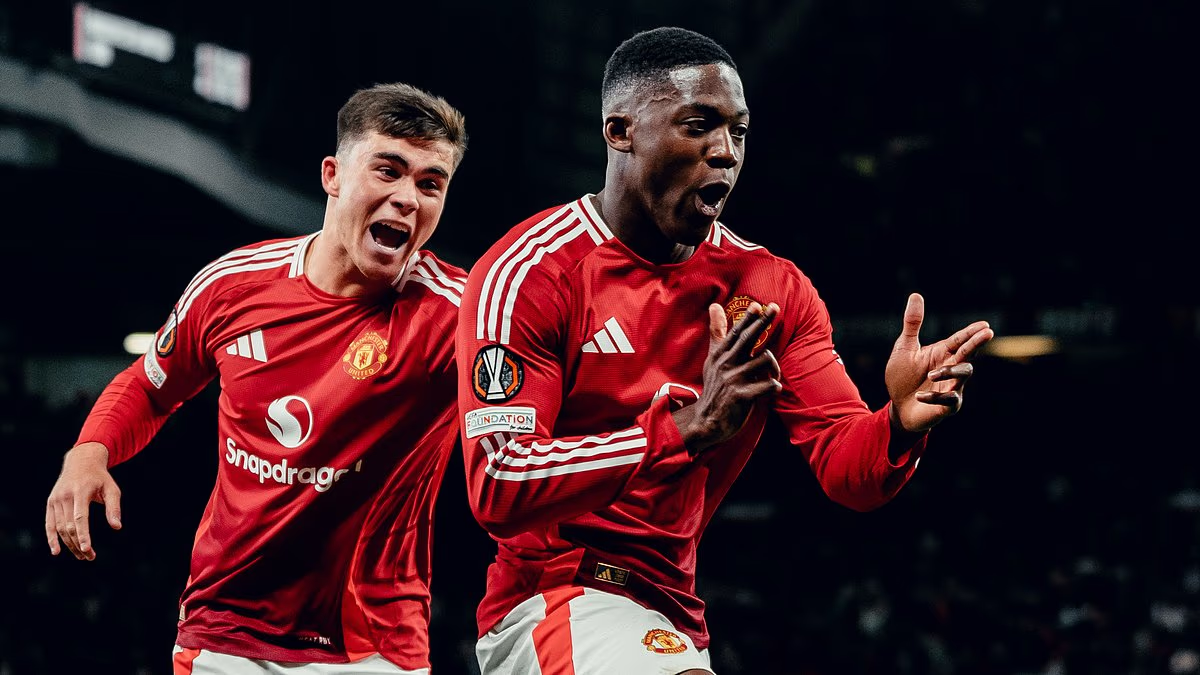
In an era where football often feels increasingly sanitized and predictable, Monday night’s clash between Manchester United and Bournemouth provided a thrilling reminder of the sport’s capacity to surprise and enthrall. The 4-4 draw at Old Trafford has already been hailed as the game of the season, with both sides trading blows like heavyweight boxers refusing to hit the canvas. United initially seized control through Amad Diallo’s header, but Bournemouth responded with ruthless efficiency after half-time, scoring twice to turn the game on its head. Bruno Fernandes’ spectacular free-kick brought United level, setting the stage for a breathtaking finale. Matheus Cunha seemed to have won it for United in the 79th minute, only for teenager Eli Junior Kroupi to restore parity five minutes later. Even deep into stoppage time, the drama continued as United goalkeeper Senne Lammens produced a crucial save to deny David Brooks what would have been a stunning last-gasp winner. While both teams ultimately settled for a point, the spectacle had provided something far more valuable – a reminder of football’s unscripted magic.
This rollercoaster encounter joins a pantheon of unforgettable matches that have etched themselves into the memories of those fortunate enough to witness them. Take Stockport County’s FA Cup heroics against Bolton Wanderers in November 2021, where the non-league underdogs overcame a disastrous start to produce a comeback for the ages. Two goals down inside six minutes – one an agonizing own goal – the Conference side appeared destined for an inevitable cup exit against their illustrious opponents. Yet the beautiful unpredictability of football intervened once more. At 3-1 down and with time evaporating, Ash Palmer – the very player who had earlier scored that calamitous own goal – redeemed himself by equalizing five minutes from time. The momentum shift was seismic, with Stockport completing their fairytale in extra time, scoring twice more amid scenes of unbridled celebration. As one observer noted, it was “so good I wished my son was there to experience just how magical football can be” – a sentiment that captures why we invest so much emotion in this game.
Sometimes these memorable encounters carry even greater personal significance when they represent the end of prolonged suffering. For Oldham Athletic supporters, their National League play-off final against Southend United in June 2025 offered a chance at redemption after 34 barren years without promotion and the near-death experience of financial collapse under chaotic ownership. The emotional stakes couldn’t have been higher as Oldham fans traveled to Wembley, their hope tempered by decades of disappointment. When they found themselves 2-1 down with just ten minutes of extra time remaining, it seemed the football gods had once again conspired against them. But in a breathtaking minute of action that many supporters can barely recall through their emotional haze, Oldham scored twice to secure a 3-2 victory and their long-awaited return to the Football League. “Finally, finally, it’s us,” wrote one overwhelmed supporter, capturing the cathartic release of that moment. Six months later, he admits to still watching the highlights weekly – a testament to football’s power to heal even the deepest sporting wounds.
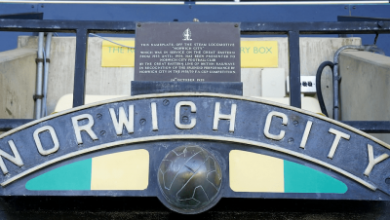
The Premier League has provided its fair share of memorable chaos too, with Liverpool’s 5-4 victory at Norwich in January 2016 standing as one of the competition’s most frenetic encounters. This was early Jurgen Klopp-era Liverpool – thrilling in attack but vulnerable in defense – which made for spectacularly unpredictable viewing. The momentum swings were dizzying: Liverpool led, fell 3-1 behind, surged to a 4-3 advantage, and then seemingly threw it all away by conceding in stoppage time. Yet in the dying seconds, Adam Lallana volleyed home a dramatic winner that sent Klopp into such frenzied celebration that his trademark glasses were knocked off and trampled underfoot. Similarly theatrical was Manchester United’s Europa League quarter-final against Lyon in April 2025, where the Red Devils appeared dead and buried when Alexandre Lacazette’s 110th-minute goal put the French side ahead. But in an extraordinary ten-minute spell, Bruno Fernandes, Kobbie Mainoo, and Harry Maguire struck to produce what one eyewitness described as a “gladiatorial boom” of noise from the Old Trafford faithful – a sound that captures the primal release of emotions that only sport can generate.
Even the elements can contribute to football’s capacity for drama, as witnessed in Chelsea’s Club World Cup clash with Benfica in June 2025. Leading 1-0 in the 86th minute, play was suspended due to severe weather warnings, with lightning strikes forcing a nearly two-hour delay. When the match finally resumed close to midnight, Chelsea couldn’t maintain their advantage, with Angel Di Maria’s penalty sending the game to extra time as FIFA officials nervously monitored reports of another approaching storm. Chelsea eventually prevailed 4-1 against a ten-man Benfica, but not before creating a surreal experience for the 26,000 fans who had been evacuated and returned to witness a match that began on one day and finished well into the next. Such bizarre circumstances add to football’s rich tapestry of stories, creating shared experiences that bond supporters together through their collective witnessing of the extraordinary.
Sometimes the most memorable games combine quality football with behavior that would make even the most lenient referee reach for their pocket. Sheffield United’s 3-3 draw with Blackpool in October 2022 featured six goals, but that was only part of the story. Four red cards – including two for Blackpool players that could kindly be described as avoidable – and a missed penalty added to the spectacle. When Ollie Norwood equalized against nine-man Blackpool in stoppage time, it seemed the drama had peaked, but a post-match brawl between Wes Foderingham and Shayne Lavery resulted in two more dismissals as players rolled around fighting on the turf. Similarly chaotic was Tottenham’s 4-2 victory over Newcastle in January 2001, where a relatively uneventful opening gave way to a half-hour of mayhem featuring five goals, three penalties, and three red cards. These games remind us that football is not merely a technical exercise but a deeply human endeavor, complete with all the emotional volatility and occasional recklessness that entails. In an age of sanitized entertainment, such raw, unpredictable encounters stand as a testament to why football remains the world’s most beloved sport – because on any given day, absolutely anything can happen.