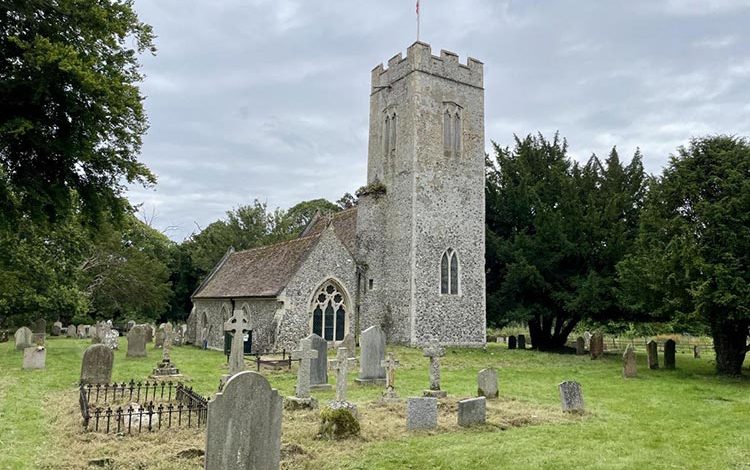
Historic Norfolk Church Receives Vital Grant for Essential Repairs
The Assumption of the Blessed Virgin Mary Church in Marlingford, a quiet village west of Norwich in Mid Norfolk, has been awarded a crucial £10,000 grant from the National Churches Trust. This Grade II listed building, which has stood as a pillar of the community for nearly a millennium, will use these funds to address significant structural damage and secure its bell tower. The grant represents a lifeline for this ancient place of worship that has witnessed centuries of local history unfold beneath its timeworn rafters and delicate arches. Mark Pfeiffer, the church’s designated fabric officer, expressed profound gratitude for the financial support, emphasizing how this beautiful sanctuary has been the beating heart of this rural community for generations and would leave an irreplaceable void if allowed to deteriorate further.
This historic church embodies the architectural evolution typical of many English parish churches, with sections dating back to the 12th century harmoniously blending with Victorian-era renovations. Beyond its architectural significance, the building houses precious heritage treasures that tell deeply personal stories of the community’s past. Among these treasures are the exquisite stained glass windows commemorating Lieutenant Edward Travers Fletcher, a young Marlingford naval officer who perished at just 20 years of age. Fletcher was among the fifteen souls lost when the submarine HMS A8 tragically sank during a training exercise off Plymouth Sound in 1905, when the vessel suddenly submerged while its hatch remained open. The lieutenant’s final resting place is within the churchyard, while inside, a beautiful stained glass window dedicated to his memory depicts the timeless virtues of Faith, Hope, and Charity—a poignant memorial commissioned by his brothers and fellow Navy officers to honor their fallen comrade.
The grant comes at a critical time for the church, which has been facing increasing challenges in maintaining its ancient structure against the relentless effects of time and weather. The restoration project will focus primarily on addressing structural weaknesses that threaten the building’s integrity and giving particular attention to securing the bell tower, which has been showing concerning signs of deterioration. These repairs are not merely about preserving stone and mortar but about safeguarding a living heritage that continues to serve its original purpose as a gathering place for worship, reflection, and community events. Churches like St Mary’s represent irreplaceable touchpoints to our collective past, with their architectural features, memorials, and artifacts offering tangible connections to generations of local residents who came before—from medieval peasants to Victorian reformers and beyond.
The grant, while substantial, represents only part of the funding needed to complete all the necessary preservation work. The local community has demonstrated remarkable commitment to preserving their beloved church through various grassroots fundraising initiatives. Residents of all ages and backgrounds have come together to organize events, make donations, and volunteer their time, showing how deeply they value this historic landmark as part of their shared identity and heritage. As Mark Pfeiffer noted, the villagers’ enthusiastic participation in these efforts highlights their recognition of the church’s historical importance and its role as a living monument that bridges past and present. The National Churches Trust grant has provided not only financial assistance but also a significant morale boost, inspiring the community to continue their fundraising efforts “with renewed vigor” as they work toward securing the full amount needed for comprehensive repairs.
What makes this restoration project particularly meaningful is that it preserves not just a historic building but an active place of worship and community engagement. Unlike many historic structures that have been repurposed or stand only as monuments to the past, The Assumption of the Blessed Virgin Mary Church continues to fulfill its original function, opening its doors to visitors every day. This accessibility ensures that the church remains integrated into daily life rather than becoming an isolated relic. Visitors can still experience the quiet contemplation of its sacred space, admire architectural details that span centuries, and connect with stories like that of Lieutenant Fletcher—narratives that might otherwise fade from collective memory. This continuity of purpose gives the restoration work a deeper significance, as it maintains not just the physical structure but the living traditions and community connections it fosters.
The story of Marlingford’s church exemplifies a broader narrative playing out across Britain, where communities are working to preserve historic religious buildings that face mounting maintenance challenges amid declining regular congregations and rising repair costs. Organizations like the National Churches Trust play a vital role in this preservation effort, recognizing that these buildings represent irreplaceable cultural assets regardless of one’s religious affiliation. The grant to St Mary’s Church demonstrates how targeted financial support can make a crucial difference in preserving architectural heritage that might otherwise be lost to future generations. As restoration work proceeds at The Assumption of the Blessed Virgin Mary Church, it stands as a testament to how communities can successfully balance honoring the past while ensuring these historic spaces remain relevant and accessible in contemporary society—continuing to serve as anchors of local identity, repositories of shared memory, and gathering places for generations to come.