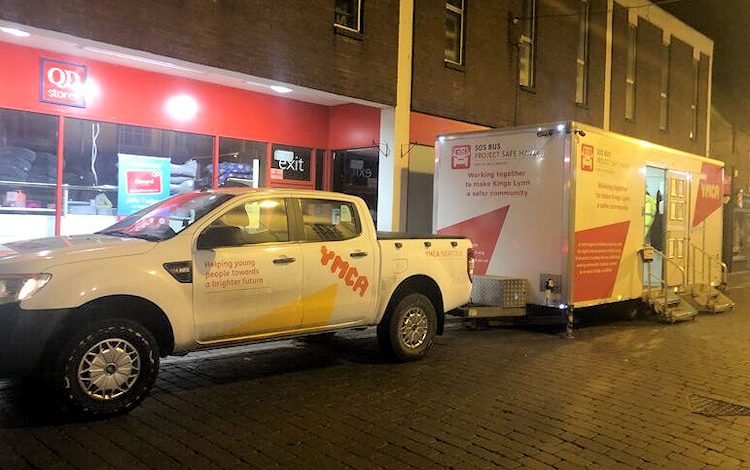
Life-Saving SOS Bus Service Closes in King’s Lynn Due to Funding Shortfall
A vital community resource that saved two lives last year in King’s Lynn has been forced to close its doors due to unsustainable funding challenges. The SOS Bus service, which had become a cornerstone of the town’s night-time safety net since 2008, was reluctantly shut down by YMCA Norfolk, which had managed the service since 2017. This closure marks the end of a project that had supported between 15,000 and 20,000 vulnerable people annually, with the dedicated team conducting hundreds of patrols each year to ensure the safety of town residents and visitors during evening hours.
The impact of this closure extends far beyond the immediate loss of a safety resource. YMCA Norfolk CEO John Lee highlighted the bus’s significant contribution to reducing pressure on emergency services: “By preventing the need for ambulance dispatches and hospital admissions, the service saved the NHS hundreds of thousands of pounds. This proactive approach not only protected vulnerable individuals but also delivered significant benefits to the wider community by easing pressure on police, ambulance, and NHS resources.” The service represented a cost-effective intervention that prevented minor situations from escalating into emergencies requiring more extensive and expensive responses from public services already under strain.
At its core, the SOS Bus offered much more than just emergency first aid. It served as a welcoming sanctuary for young people and vulnerable individuals navigating King’s Lynn’s night-time environment. The bus became known as a place where anyone could find reassurance, practical support, and a friendly face when needed most. Staffed by both professional team members and dedicated volunteers, the service maintained a consistent presence that many came to rely on during times of difficulty or distress, creating a safety net that caught those who might otherwise have fallen through the cracks of traditional support systems.
Beyond addressing immediate medical or safety concerns, the SOS Bus evolved to become a comprehensive support hub addressing broader community needs. “Beyond its work within the night-time economy, the SOS Bus served as a lifeline for people experiencing hardship. The service also provided food, hot drinks, clothing, hygiene essentials, and food bank vouchers,” Lee explained. This expansion of services demonstrated the team’s understanding that vulnerability often presents in multiple, interconnected ways, requiring a holistic approach to support that addressed both immediate and underlying needs of those who sought help.
The dedication of the staff who made the service possible remains one of the most inspiring aspects of the SOS Bus story. Lee shared a touching personal memory: “One of my personal memories was watching Kate Kemp-Small and Chris Lowe receive a national award at Chelsea Football Club celebrating the impact of their work. The mixture of shock and pride on their faces will stay with me for a long time.” This recognition highlighted the exceptional commitment shown by team members who often worked during unsociable hours in challenging conditions to support those in need. The fact that both award recipients continue to work with YMCA Norfolk in different capacities speaks to their ongoing commitment to community service despite the closure of this particular project.
The cessation of the SOS Bus service represents a significant loss for King’s Lynn’s community safety infrastructure and leaves a gap that will be difficult to fill. With two lives saved in the past year alone and thousands of interventions preventing more serious incidents, the true cost of losing this service may only become apparent in the months ahead. While the bright yellow bus will no longer be a familiar sight on the streets of King’s Lynn, the legacy of its work continues through the lives it touched and the community spirit it embodied. The closure raises important questions about how essential community services can be sustainably funded in challenging economic times, particularly when they deliver such clear benefits both to individuals and to public resources such as emergency services and healthcare providers.