Rob Rouse: An Evening of Unexpected Laughter in Norwich
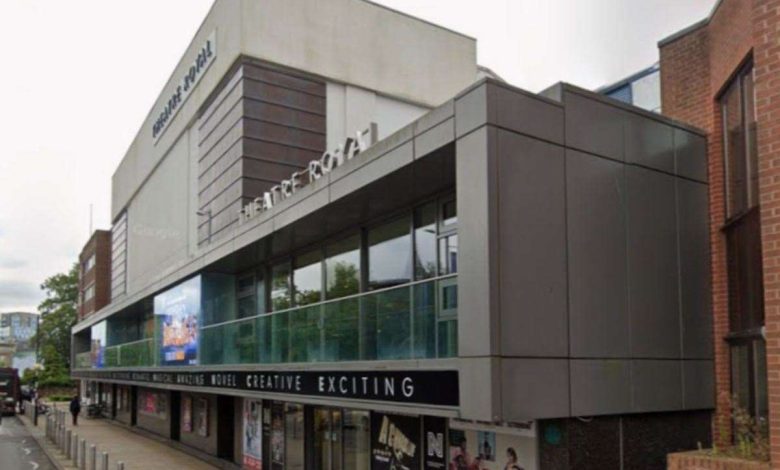
Norwich’s Theatre Royal, particularly its Stage 2, stands as a hidden gem in the city’s cultural landscape, consistently offering provocative and intriguing performances to those willing to explore beyond the mainstream. This was evident at Rob Rouse’s recent comedy show, where surprisingly few audience members had previously experienced his particular brand of humor. The Theatre Royal has cultivated such a reputation for quality that many Norwich residents, myself included, are willing to take chances on unknown performers, trusting the venue’s judgment. This spirit of adventure speaks volumes about both the theatre’s programming acumen and the openness of Norwich’s theatergoers to embrace new experiences without guarantee of satisfaction.
From the outset, Rouse established unconventional expectations with an opening song and dance routine that deliberately warned the audience to lower their expectations—a meta-commentary that would prove prophetic throughout the evening. As he performed, visibly growing more exhausted with each verse, lyrics displayed on screen invited audience participation in what became less a traditional comedy opener and more an endurance test for performer and audience alike. This opening gambit perfectly foreshadowed the evening’s pattern: Rouse would take a comedic premise—be it his disastrous prostate examination or his “revolutionary” bifocal glasses—and stretch it far beyond conventional comedic timing, pushing into territory where discomfort and exhaustion became part of the experience itself.
The resulting performance created a uniquely disorienting experience. Throughout the evening, I found myself repeatedly teetering on the edge of boredom, only to suddenly erupt into uncontrollable laughter of an intensity I rarely experience. This rollercoaster effect—where audience patience is tested to breaking point before delivering cathartic release—left me questioning whether I was witnessing meticulously crafted comedy or experiencing some form of collective audience hysteria. The uncertainty itself became part of the show’s charm; Rouse’s willingness to risk losing his audience completely before reeling them back in created moments of comedy that simply couldn’t exist within more conventional timing and structure.
Perhaps the evening’s most successful segment centered on Rouse’s heartfelt and hilarious eulogy to his deceased rescue dog, Ron. Through a series of increasingly outrageous anecdotes about Ron’s fifteen years of monstrous behavior, Rouse painted a picture of inexplicable but unconditional love that resonated deeply with the audience. As he piled one horrific dog-owner story upon another, the absurdity of human-animal relationships was laid bare with both humor and touching sincerity. When audience members began sharing similar tales of beloved but badly-behaved pets, the show reached its emotional and comedic peak—a perfect synthesis of Rouse’s rambling style and genuine human connection that elevated the evening beyond mere stand-up comedy.
Not everything in the show landed successfully. The closing song, accompanied by illustrative film, felt particularly out of step with the evening’s strongest moments. Yet even these misfires seemed deliberate within Rouse’s overall aesthetic, where the distinction between successful and unsuccessful comedy becomes blurred and almost irrelevant. In transforming “hit-and-miss” into an art form itself, Rouse creates a comedy experience that defies conventional criticism. Can one fairly expect the various strands of such a deliberately disjointed show to be elegantly drawn together? After all, we had been explicitly warned at the outset to lower our expectations.
What makes Rob Rouse’s performance ultimately worthwhile is precisely this willingness to subvert comedic convention and audience expectation. While the show undoubtedly tested patience and confused as often as it delighted, it also delivered moments of laughter so intense and unexpected that they transcended ordinary comedy experiences. The singularly uneven yet consistently engaging collection of ramshackle routines and discordant observations left the audience with something more memorable than polished perfection could have provided. In a cultural landscape increasingly filled with carefully crafted and focus-grouped comedy specials, there’s something refreshingly authentic about a performer willing to risk genuine failure in pursuit of genuine connection—and genuine laughter.