


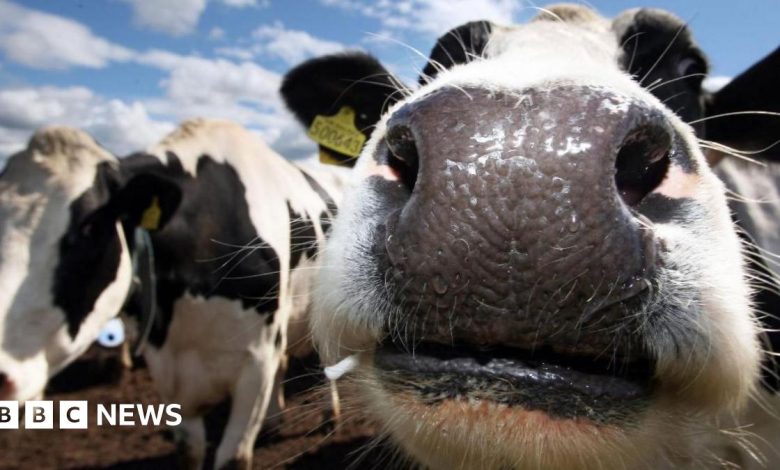
Farmers and Local Residents Voice Concerns Over Proposed Livestock Market
Mark Edwards, a 64-year-old farmer who relocated from South Wales to Norfolk, has emerged as a prominent voice among concerned residents opposing the proposed new livestock market in their area. Drawing from his previous experiences with livestock markets, Edwards paints a vivid picture of the chaotic traffic conditions that such facilities can create. “Pandemonium” is how he describes the traffic situations he witnessed in the past, expressing genuine fear that these scenes could be replicated in their peaceful Norfolk community if the development proceeds.
The potential impact on local traffic represents one of the most significant concerns for those opposing the market. Edwards warns that heavy goods vehicle (HGV) traffic would not be contained to just the immediate vicinity of the market but would spread throughout numerous nearby villages including Mattishall, Swanton Morley, Bawdeswell, Lyng, and many smaller hamlets. Unlike other facilities that might operate on limited schedules, Edwards emphasizes that this disruption would be constant – “24 hours a day, seven days a week, 52 weeks a year,” potentially transforming the character of these quiet rural communities into busy transit corridors.
Perhaps most concerning is Edwards’ insight into the multiplier effect that livestock markets create in terms of traffic. It’s not just the transport vehicles bringing animals to market that residents need to worry about – “For every lorry carrying livestock, there will be three behind looking to buy,” he explains. This fourfold increase in heavy traffic presents a dramatically different picture than what might be suggested in initial proposals, with the real impact likely to be far more significant than many might anticipate without this industry-specific knowledge.
The resistance to the new market location appears to stem from a deep connection to the existing rural character of the area. For residents like Edwards who chose to move to Norfolk for its peaceful countryside setting, the prospect of industrial-scale agricultural commerce disrupting their way of life represents a fundamental change to what attracted them to the region in the first place. This tension between agricultural business interests and residential quality of life lies at the heart of the dispute, with longtime farmers and newer residents finding common cause in preserving the area’s current ambiance.
What seems to concern Edwards and his neighbors most profoundly is the cumulative impact of these proposed changes. As he pointedly states, “The cumulative impact of this type of movement, repeated frequently, should not be underestimated.” This perspective highlights a sophisticated understanding that it’s not any single truck or delivery that would transform their community, but rather the relentless, ongoing nature of the disruption that would fundamentally alter their quality of life and the character of the surrounding villages.
The dispute has evidently mobilized local residents to engage with the planning process through the Local Democracy Reporting Service, demonstrating how rural development proposals can catalyze community engagement. As agricultural infrastructure continues to evolve and consolidate across Britain, similar conflicts between traditional agricultural commerce and residential interests are likely to emerge in other communities. The outcome of this Norfolk dispute may establish important precedents for how rural communities balance these competing interests while preserving their distinctive character and quality of life for residents.





aa4t3b