


Historic Norwich Pumping Station in Distress: Council Takes Action
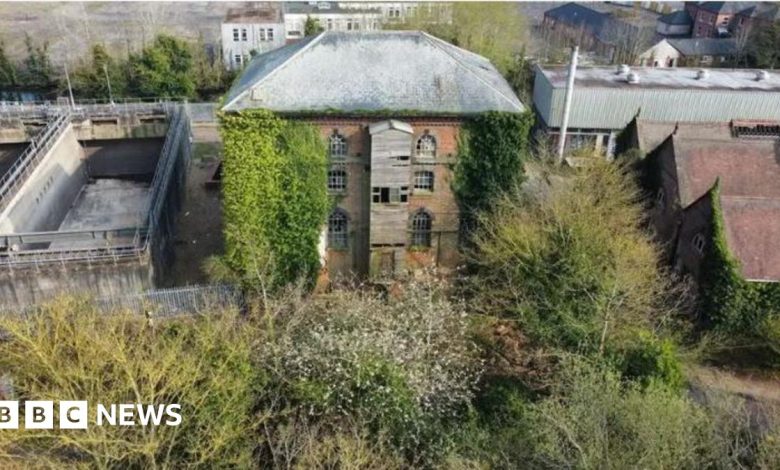
In a recent council meeting, Labour’s planning cabinet member Adam Giles expressed profound disappointment over the deteriorating condition of Norwich’s historic pumping station. “The deterioration of this building in recent times has been deeply disappointing,” Giles stated, announcing that the council has issued an urgent notice requiring the property owner to take immediate action to secure the building’s safety. This intervention comes after years of neglect that has threatened one of Norwich’s most distinctive Victorian industrial landmarks.
The pumping station represents a significant piece of Norwich’s industrial and public health history. Opened in 1869, the station was built following community advocacy from residents concerned about severe pollution in local waterways. The facility expanded with a second pumping station in 1909, and remarkably, the entire original complex remains intact today. The site showcases unique architectural designs characteristic of Victorian industrial buildings of that era, making it not just historically significant but architecturally valuable as well. Its importance to Norwich’s heritage cannot be overstated, as it stands as a monument to public health innovation and Victorian engineering prowess.
Since its sale by Norwich City Council to developer Andre Serruys in 2003, the site has faced mounting challenges. Previously used as a furniture workshop after its original purpose became obsolete, the building has gradually fallen into a state of disrepair. The council has reportedly made multiple attempts to engage with the owners regarding restoration plans, but according to statements from city officials, the owners have been “unwilling to engage to find a solution” for preserving and restoring the historic structure. This impasse has frustrated local heritage advocates and council members alike, as they’ve watched a significant piece of Norwich history crumble before their eyes.
The situation took a dramatic turn for the worse in November 2023, when the building was severely damaged by fire. The blaze caused extensive destruction, particularly to the roof structure, leaving the historic building even more vulnerable to the elements and further deterioration. Fire officials treated the incident as arson, connecting it to other suspicious fires that occurred around the same time at the Deal Ground site in Bracondale and the disused St Andrew’s Hospital in Thorpe St Andrew. These incidents raised significant concerns about the security of historic abandoned properties throughout Norwich and their vulnerability to vandalism and criminal damage.
Law enforcement initially made progress in the investigation when a teenager was arrested in connection with what appeared to be a string of arson attacks across these historic properties. However, the case eventually closed with no further action taken against the suspect, leaving questions unanswered about who was responsible for the damage to these important historic sites. This outcome has further complicated efforts to address the pumping station’s condition, as responsibility for the fire damage remains unresolved between the property owners and potential vandals.
The council’s decision to issue a safety notice marks a significant escalation in their approach to preserving this historic structure. After years of attempting to work collaboratively with the owners, the deterioration has reached a point where public safety concerns have forced more direct intervention. Heritage advocates hope this action will finally catalyze meaningful progress toward securing and eventually restoring this important piece of Norwich’s industrial heritage. The pumping station’s story reflects broader challenges facing historic industrial buildings across Britain – caught between their past significance and uncertain futures, dependent on finding owners willing to invest in preserving history while adapting structures for contemporary use. As Norwich confronts this challenge, the outcome may set an important precedent for how communities can protect their industrial heritage from neglect and decay.






Do you mind if I quote a couple of your articles as long as I provide credit and sources back to your blog? My blog is in the very same area of interest as yours and my visitors would genuinely benefit from some of the information you present here. Please let me know if this alright with you. Thanks a lot!
Some genuinely great info , Gladiola I observed this.