


Heating Oil Theft on the Rise Amid Price Surges
In a troubling development across Suffolk, homeowners are facing a new threat as criminals target their heating oil supplies. The dramatic spike in oil prices has transformed these ordinary household tanks into lucrative targets for thieves. Suffolk Police recently reported multiple break-ins around Woodbridge, highlighting a growing pattern of theft that’s leaving families vulnerable during already challenging economic times. These incidents represent more than mere property crime—they’re disrupting people’s ability to maintain basic warmth and comfort in their homes.
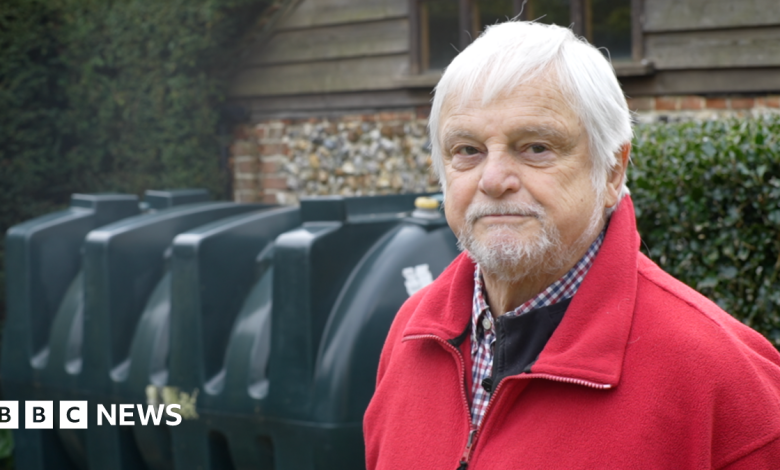
For residents like John Birchall of Hollesley on the east Suffolk coast, the impact is both personal and financial. Last week, Birchall discovered that approximately 800 litres of heating oil—nearly two-thirds of his tank’s 1,225-litre capacity—had vanished overnight. His neighbor suffered a similar fate. As a commercial property surveyor, Birchall understands the value of what was taken, especially given the current market conditions. While his supplier quickly refilled the tank, the financial sting was considerable, and he’s now been forced to invest in additional security measures to protect his fuel supply. Like many rural residents, Birchall relies on this oil for both home heating and hot water, supplementing with wood burners and solar panels where possible.
The economic context makes these thefts particularly painful for victims. Birchall notes the extraordinary price increases that have occurred in recent months: “Historically, I’ve paid as little as about 20p a litre during Covid, generally between 50p and 60p a litre—and this time it was £1.30 a litre.” This price jump represents more than a 500% increase from pandemic lows and more than double the typical rate. With an average tank holding between 1,000 and 2,000 litres, a full tank now represents thousands of pounds worth of fuel—a tempting target for organized criminals who can quickly resell the stolen commodity. Birchall directly connects these price surges to global events, referring to them as “unintended consequences of the war in Iran,” highlighting how international conflicts directly impact vulnerable households.
Law enforcement is responding to this crime wave with practical advice for homeowners. Suffolk Police officers are urging residents to make their tanks less visible to potential thieves by using landscaping, fences, or other visual barriers. They’re also warning community members to be wary of suspicious offers—particularly rogue traders offering heating oil at suspiciously discounted prices, which likely represents stolen goods. Purchasing such fuel not only potentially makes buyers complicit in criminal activity but also perpetuates a cycle that harms other vulnerable households. The police recommendations emphasize a community-based approach to security, encouraging neighbors to watch out for unusual activity around each other’s properties.
The social implications of these crimes extend beyond the financial loss. For elderly residents or families with young children, losing heating oil during cold weather can create dangerous living conditions. Rural communities, already facing challenges including limited public transportation and reduced local services, are disproportionately affected by these thefts since they rely more heavily on oil heating than urban areas with access to natural gas networks. The situation highlights how energy security has become a pressing concern not just on a national level but at the household level as well. Community support networks are becoming increasingly important as neighbors check on each other’s welfare and share information about suspicious activities.
As winter approaches, the vulnerability of oil-heated homes is likely to increase unless effective preventive measures are implemented. Beyond physical security improvements like locks, alarms, and security lighting, some homeowners are exploring technological solutions such as fuel level monitors that can alert them to sudden drops in oil levels. Insurance companies are also beginning to adjust their policies to better address this specific type of theft. Local authorities and community organizations are considering educational campaigns to raise awareness about the issue. For households like John Birchall’s, the experience has been a harsh reminder of their dependence on this essential resource and the need to protect it in an increasingly unpredictable economic environment. With no immediate resolution to the factors driving high oil prices, communities are being forced to adapt to this new security challenge.







vdl8bv