


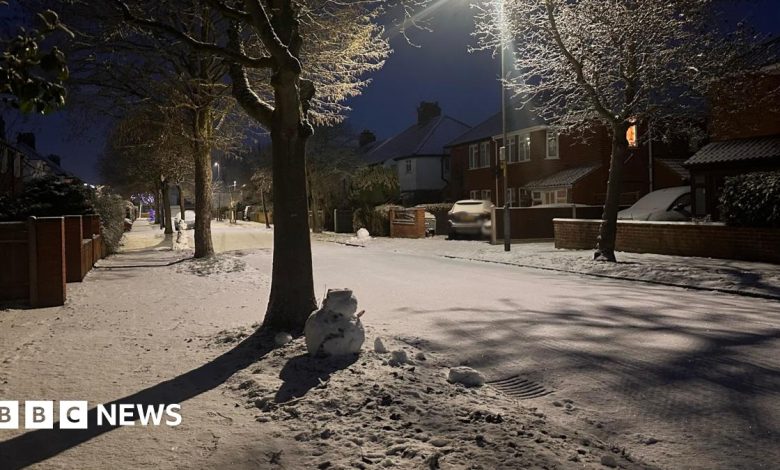
Schools Close Due to Snow and Safety Concerns
Recent snowfall has prompted several schools to close their doors, putting safety first during challenging winter conditions. The Bridge Easton School in Norwich announced its closure citing “health and safety reasons due to the snow,” as reported on the county council’s official website. The decision reflects the administration’s commitment to ensuring student and staff wellbeing during adverse weather when travel conditions can become hazardous and facility maintenance becomes challenging.
In Lowestoft, Suffolk, Red Oak Primary School has also suspended operations due to what they described as “severe weather conditions.” These closures highlight the significant impact winter weather can have on educational institutions, especially in regions where infrastructure may not be fully equipped to handle substantial snowfall. School administrators must weigh the educational disruption against the potential risks of keeping facilities open during inclement weather.
While snow-related concerns are the primary reason for most closures, Morland Church of England Primary School in Ipswich faces a different challenge: a faulty boiler. This technical failure, possibly exacerbated by the cold temperatures, has rendered the school unable to maintain adequate heating for its classrooms and common areas. The coincidence of mechanical failure during a cold snap demonstrates how winter weather can compound existing infrastructure vulnerabilities in educational settings.
These closures, though necessary for safety, create ripple effects throughout communities. Parents must quickly arrange alternative childcare, potentially missing work or adjusting their schedules with little notice. Teachers must adapt their lesson plans and may need to implement remote learning options where possible. The educational continuity that schools strive to maintain becomes threatened during these weather events, particularly if closures extend beyond a single day.
Local authorities work closely with school administrators during such weather events to assess road conditions, forecast developments, and coordinate reopening plans. Behind each closure announcement lies a complex decision-making process involving multiple stakeholders, from transportation officials to facility managers. These decisions balance immediate safety concerns against the broader educational mission and community needs that schools fulfill.
As communities navigate these weather-related disruptions, they demonstrate resilience and adaptability. Schools often develop contingency plans for such scenarios, including potential remote learning options and makeup days later in the academic calendar. While the immediate impact of closures can be challenging for families and educators alike, these precautionary measures ultimately prioritize the well-being of students and staff during unpredictable winter conditions, reflecting a community commitment to safety even when it requires temporary educational adjustments.







Wonderful blog! I found it while surfing around on Yahoo News. Do you have any suggestions on how to get listed in Yahoo News? I’ve been trying for a while but I never seem to get there! Thanks