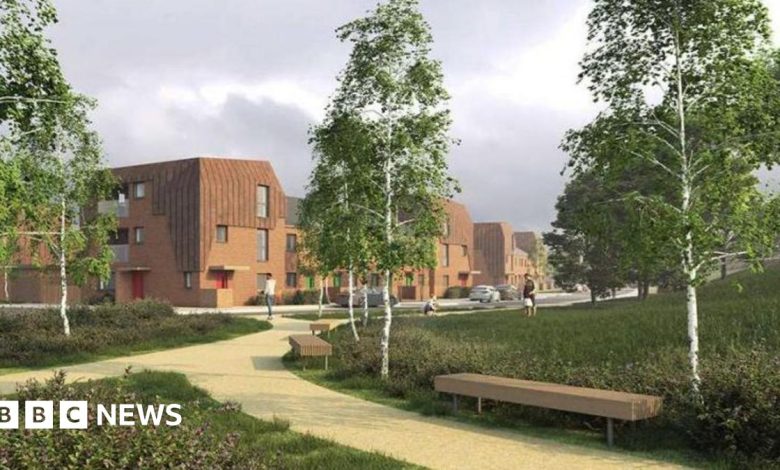
Mile Cross Housing Development: A Beacon of Hope Amid Challenging Beginnings
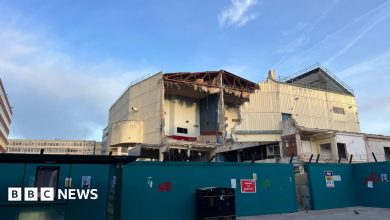
The Mile Cross housing project in Norwich has faced significant delays, but there’s now light at the end of the tunnel for the thousands of families awaiting social housing. Council officials recently explained that “difficult ground conditions” have hampered progress at the former city council depot site off Mile Cross Lane. The brownfield location has proven “extremely complex” to develop, requiring extensive remediation work to safely remove hazardous materials left behind after the demolition of the previous buildings. Despite these challenges, there’s positive news on the horizon: construction of the first 67 social housing homes is scheduled to begin this October, offering hope to some of the 3,300 people currently on Norwich’s council housing waiting lists.
The journey to transform this contaminated brownfield site into much-needed housing illustrates the complexities of urban redevelopment. When developers take on previously used industrial land, they often encounter unexpected obstacles that wouldn’t be present on pristine greenfield sites. In this case, the former council depot had left behind a legacy of environmental concerns that couldn’t be ignored. Workers have been meticulously clearing and preparing the land, ensuring that all hazardous materials are properly removed and disposed of before any residential construction can begin. This essential but time-consuming process protects future residents while adhering to environmental regulations, explaining much of the project’s delayed timeline that has frustrated those awaiting housing solutions.
The announcement of the October construction start date represents a significant milestone for the project and the community. According to the Local Democracy Reporting Service, once building work commences, residents can expect to see completed homes within 18 to 24 months. This timeline means that by early 2026, the first families could be moving into these much-anticipated social housing units. While this might seem distant for those currently struggling to find affordable housing, it represents tangible progress in addressing Norwich’s housing shortage. The council’s commitment to pushing forward despite the challenges demonstrates recognition of the urgent housing needs facing thousands of local residents who have been patiently waiting for affordable housing opportunities.
The Mile Cross development takes on particular significance when considered against the backdrop of Norwich’s housing crisis. With 3,300 individuals and families currently on council housing waiting lists, the need for affordable housing solutions is acute. These 67 homes represent just the first phase of what will presumably be a larger development, offering a partial but important response to the overwhelming demand. For many on these waiting lists, council housing represents their best hope for stable, affordable accommodation in an increasingly expensive housing market. The completion of these homes will make a meaningful difference in the lives of dozens of families who might otherwise face housing insecurity, unaffordable private rentals, or inappropriate living conditions.
Beyond addressing immediate housing needs, the Mile Cross project highlights broader issues in urban planning and development. The challenges encountered on this brownfield site illustrate why developers often prefer to build on undeveloped land – it’s typically faster, cheaper, and less complicated. However, the redevelopment of brownfield sites like the former depot is crucial for sustainable urban growth, preventing urban sprawl while revitalizing previously used land within city boundaries. Though the process has been slower than hoped, the project demonstrates Norwich City Council’s commitment to sustainable development practices that make efficient use of available land within the city while addressing pressing social needs. The extra effort required for brownfield development may be frustrating in the short term but offers long-term benefits for community cohesion and environmental sustainability.
As October approaches, local residents and those on housing waiting lists will be watching the Mile Cross site closely, hopeful that the visible progress of construction will finally begin. The journey from contaminated brownfield site to thriving residential community embodies both the challenges and possibilities of urban regeneration. While the road has been longer than expected, the prospect of 67 new social housing units represents a meaningful step toward addressing Norwich’s housing shortage. For the families who will eventually call these homes their own, the wait – though difficult – will have been worthwhile. The Mile Cross development serves as a reminder that creating sustainable, affordable housing solutions requires patience, persistence, and a willingness to overcome complex challenges for the greater good of the community.