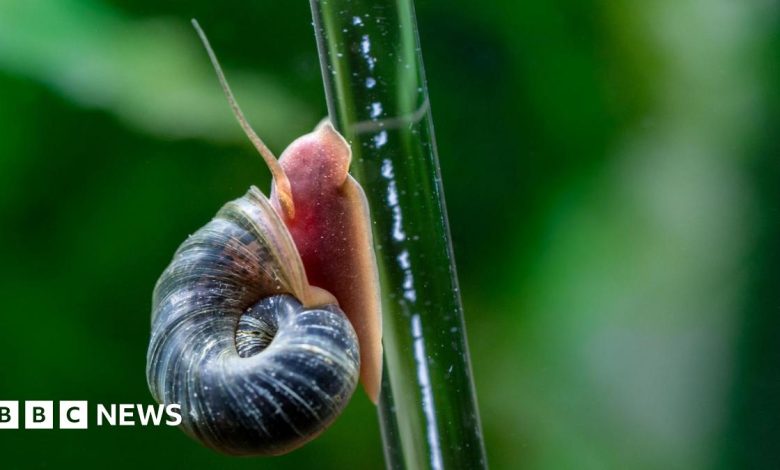
A Tale of Tiny Survivors: The Journey of Rare Snails in East Anglia
In the tranquil marshlands of East Anglia, an extraordinary conservation story has been unfolding since 2016. Scientists have been diligently tracking the fate of a diminutive species of snail, measuring just 5mm across—smaller than a pea. These rare mollusks, almost invisible to the casual observer, became the focus of a relocation project that sought to establish new populations in carefully selected habitats across Norfolk and Suffolk. The initial question was simple yet profound: could these tiny creatures survive being moved from their original homes? After years of patient monitoring, the results are finally emerging, painting a picture of remarkable resilience in the face of environmental change.
The latest scientific reports bring encouraging news about these miniature pioneers. What began as small groups of transplanted snails have now developed into robust breeding populations in certain locations. Using specialized collection methods, including fine 0.5mm mesh nets, researchers carefully gathered specimens from ditches near Acle in Norfolk. This delicate harvesting process required precision and patience, as the snails could easily be overlooked due to their minuscule size. Once collected, they were transported to three new potential habitats: Shipmeadow Marshes, Beccles Marshes, and Sutton Fen—all protected wetland areas in Suffolk and Norfolk with environments that experts hoped would support these specialist creatures.
The most dramatic success story comes from Beccles Marshes, where the snail population has flourished beyond expectations. Here, the tiny gastropods didn’t merely survive—they thrived, with their numbers increasing “drastically” according to official reports. This explosion in population suggests that the relocated snails found ideal conditions in their new home, with perhaps even better resources than in their original habitat. The success at Beccles demonstrates how carefully planned conservation interventions can sometimes exceed expectations, particularly when species are matched with environments that meet their specific ecological needs.
Another encouraging development emerged at Sutton Fen, where researchers have documented the establishment of a small but steadily growing colony. What makes this success particularly noteworthy is that Sutton Fen had no historical record of supporting this snail species before the relocation effort. This suggests that these adaptable creatures can colonize suitable habitats even when they haven’t naturally occurred there previously—an important insight for conservation biologists considering similar translocation projects. The gradual but consistent population growth at Sutton Fen indicates that the snails are not only surviving but successfully reproducing, gradually extending their presence across this new territory.
Not every relocation site has shown the same positive results, however. At Shipmeadow Marshes, researchers have been unable to detect any of the relocated snails, despite ongoing monitoring efforts. This absence highlights the complex and sometimes unpredictable nature of species translocation. Even with careful habitat assessment, there are subtle ecological factors that can determine success or failure when moving sensitive species. The contrast between the thriving population at Beccles Marshes and the apparent absence at Shipmeadow—despite their geographic proximity—underscores how microhabitat differences can dramatically affect conservation outcomes, even over small distances.
This ongoing snail relocation project, though focusing on a tiny and easily overlooked species, carries broader significance for conservation science. As climate change and habitat loss increasingly threaten specialized species worldwide, the ability to successfully relocate vulnerable populations becomes an increasingly critical conservation tool. The mixed results across the three sites provide valuable data that can inform future translocation efforts, not just for these particular snails but potentially for other endangered invertebrates as well. While these minute mollusks might seem insignificant to some, their journey from Acle’s ditches to new marshland homes represents a small but meaningful victory in the larger struggle to preserve biodiversity in Britain’s precious wetland ecosystems.