



Norwich Castle’s Victorian Features Find New Life Through Careful Preservation and Repurposing
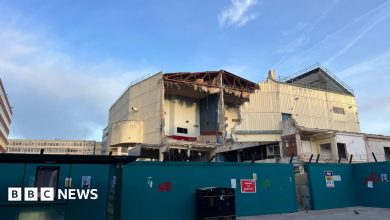
The historic Norwich Castle has recently undergone significant changes as part of a renovation project, with special attention given to preserving its Victorian architectural elements. According to a spokesperson from Norfolk Museums Service, the Victorian balcony, staircase, and various fittings within the castle’s keep were not simply removed, but “carefully dismantled with the necessary consents.” This methodical approach demonstrates the respect given to these historical features, acknowledging their significance despite not being original to the medieval structure. Before any removal took place, preservation experts created a comprehensive documentation of these elements through detailed photography and precise digital measurements, ensuring that this chapter of the castle’s architectural history would remain accessible for future generations to study and appreciate.
The renovation team took a thoughtful approach to repurposing these Victorian elements whenever possible, reflecting a commitment to sustainability and historical continuity. Most notably, the Victorian pine floorboards have found new life “decorating the front of the new cafe” within the castle. This creative reuse maintains a connection to the building’s past while serving a practical purpose in its modernized spaces. The decision to incorporate these elements into the castle’s updated design creates a visual bridge between different eras of the structure’s history, allowing visitors to experience both the medieval heritage and Victorian influences that have shaped the castle over centuries.
For Victorian components that couldn’t be repurposed within the castle itself, the team prioritized architectural salvage rather than disposal. These carefully removed elements are being made available for reuse elsewhere, a decision that respects their historical value while preventing unnecessary waste. As the spokesperson emphasized, this approach ensures these materials are “reused elsewhere rather than being destroyed or put into landfill.” This environmentally conscious strategy reflects modern conservation principles that recognize the embodied energy and craftsmanship in historic materials, extending their useful life even when they can no longer serve their original purpose in their original setting.
Beyond the physical materials, Norfolk Museums Service has maintained a comprehensive collection of documentation related to these Victorian features. The spokesperson confirmed that “relevant artefacts had been kept for its collections, including the original Victorian architect designs, physical examples and archive photos.” This holistic approach to preservation ensures that even as the physical space evolves, the complete story of the castle’s Victorian alterations remains accessible for historians, researchers, and interested members of the public. These archival materials provide valuable context about architectural practices, design preferences, and cultural values from the Victorian era, offering insights that extend beyond the specific history of Norwich Castle.
The careful handling of these historical elements reflects a nuanced approach to heritage conservation that balances various considerations—historical authenticity, practical needs for modern use, sustainability concerns, and educational value. Rather than viewing the Victorian additions as inauthentic intrusions on a medieval structure, the project acknowledges them as significant in their own right, representing an important chapter in the castle’s evolution. This perspective recognizes that historic buildings are rarely frozen in a single time period but instead accumulate layers of history that each contribute to their cultural significance and character.
The renovation project has also created financial benefits that support ongoing heritage work. As the spokesperson noted, the county council receives “a percentage of the income from the reclamation sales” which directly contributes to funding the project work. This arrangement creates a virtuous cycle where elements that needed to be removed can help finance the sensitive restoration of the medieval features they once obscured. Such an approach demonstrates how heritage conservation can be economically sustainable when managed thoughtfully, with resources from one aspect of the work supporting others. The Norwich Castle renovation thus provides a model for how historical buildings can be respectfully updated while honoring multiple layers of their past and ensuring their continued relevance for future generations.





I always look forward to your posts. Keep it coming!
I?¦ll immediately clutch your rss as I can’t find your email subscription hyperlink or e-newsletter service. Do you’ve any? Kindly let me realize in order that I may just subscribe. Thanks.
Hey there just wanted to give you a quick heads up. The words in your article seem to be running off the screen in Opera. I’m not sure if this is a format issue or something to do with internet browser compatibility but I thought I’d post to let you know. The layout look great though! Hope you get the problem fixed soon. Kudos