Parish call-outs spark repair of historic staithe at Norfolk church which inspired John Betjeman

Restoring a Historic Connection: The Story of St Peter’s Church Staithe
In the picturesque Norfolk Broads, where waterways wind through the landscape like threads of blue silk, sits St Peter’s Church in Belaugh. Last summer, this tranquil scene was disrupted when a hired boat collided with the church’s historic staithe—a traditional landing platform that has welcomed visitors from the water for generations. The accident caused significant structural damage, but more devastatingly, it severed a vital connection between the church and the waterway visitors who contribute essential revenue to its upkeep. This incident might have left the church struggling indefinitely were it not for a simple yet powerful innovation: a phone call that bridged the gap between isolated parish needs and diocesan support, ultimately leading to the staithe’s restoration and a renewed connection between river and church.
The Diocese of Norwich had recently launched an initiative to connect with each of its 550 parishes through personal phone calls—a program set to fully deploy in 2026 but already showing remarkable results. While the Diocese maintained multiple communication channels including e-newsletters, social media, and website updates, these modern methods sometimes failed to reach the most traditional parishes. It was through one of these early outreach calls that Danica Rice, the Parish Support Adviser, discovered St Peter’s predicament when speaking with the PCC Secretary. This simple conversation revealed an urgent need that might otherwise have remained hidden, demonstrating how sometimes the oldest form of communication—a personal voice-to-voice connection—can prove most effective in a digital age. The damaged staithe, visible to passing boats but unknown to those who could help repair it, became a perfect case study in how direct communication could solve problems hiding in plain sight.
Upon learning about the damaged staithe, the Diocese’s machinery of support swung smoothly into action. The Care of Church Buildings team quickly provided guidance on arranging repairs and allocated financial support through a Minor Repairs and Improvements grant. This rapid response demonstrates how efficiently ecclesiastical institutions can function when clear communication channels are established. Tim Sweeting, the Diocesan Secretary and CEO, emphasized the importance of this approach: “We are dedicated to ensuring each and every parish knows we are here to help, no matter the issues they may encounter.” What followed was a remarkable turnaround for St Peter’s—from isolated problem to community celebration. The repairs were completed efficiently, restoring not just a physical structure but a vital connection between the church and those who arrive by water, honoring a tradition that has existed since the days when rivers were the primary highways of England.
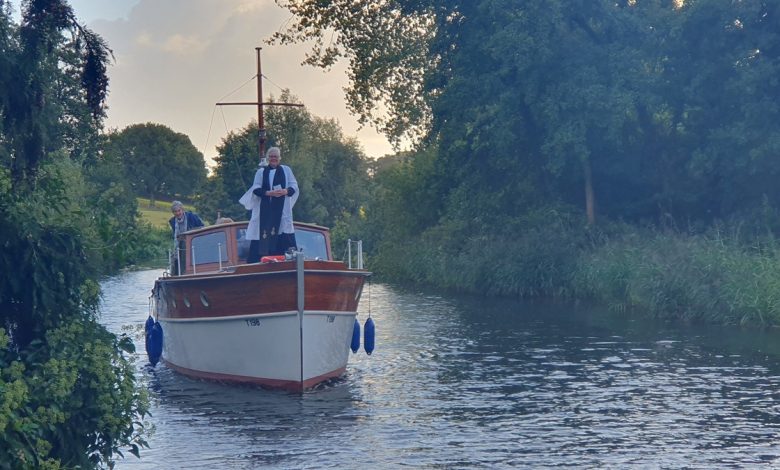
The restoration culminated in a ceremony that perfectly captured the spirit of renewal. Reverend Liz Jump arrived by boat to lead a thanksgiving service on the banks of the River Bure—a symbolic journey that reclaimed the water route to the church. “We blessed the Staithe, and gave thanks for all who had managed to bring the plan to fruition,” she said, expressing anticipation for welcoming visitors in the upcoming season. The ceremony wasn’t merely about celebrating structural repairs; it represented the restoration of a historical continuity. St Peter’s Church has a special place in English cultural heritage—it once inspired an eight-year-old John Betjeman during a family holiday, sparking what would become the poet laureate’s lifelong fascination with Norfolk churches. The staithe’s repair thus preserved not only a physical landing place but a point where history, spirituality, and natural beauty converge, allowing future generations to experience the same inspiration that shaped Betjeman’s appreciation for ecclesiastical architecture.
The success at Belaugh has energized the Diocese’s outreach program. For Danica Rice, who leads the call-out initiative, the quick resolution at St Peter’s validated the power of direct communication. “Speaking directly to people in parishes throughout Norfolk and Waveney is by far my favourite part of this role,” she reflected, “and seeing the difference this initiative has made—particularly with such a quick turnaround at Belaugh—is incredibly rewarding.” Each conversation reveals not just problems to solve but also “amazing work that is already under way” in parishes across the region. The phone calls become not just channels for assistance but opportunities to celebrate local achievements and innovations. When the program fully launches in 2026, it promises to create a comprehensive map of parish needs and strengths, allowing for more targeted and effective support throughout the Diocese of Norwich.
In an era when digital communications dominate, the story of St Peter’s staithe reminds us of the enduring value of human connection. A single phone call initiated a chain of events that restored not just a wooden landing platform but a church’s connection to its community and visitors. The Norfolk Broads, with their network of waterways, serve as an apt metaphor for the Diocese’s communication strategy—creating channels that reach even the most isolated places. As boats once again dock at St Peter’s restored staithe, they represent more than tourism revenue; they embody a tradition of pilgrimage and visitation that stretches back centuries. The Diocese of Norwich, through this simple yet profound outreach initiative, has demonstrated how institutions can combine modern efficiency with traditional values of personal care and attention. In the quiet lapping of water against the restored staithe, we hear the success of a community that bridged its own gaps through the timeless power of human conversation.