


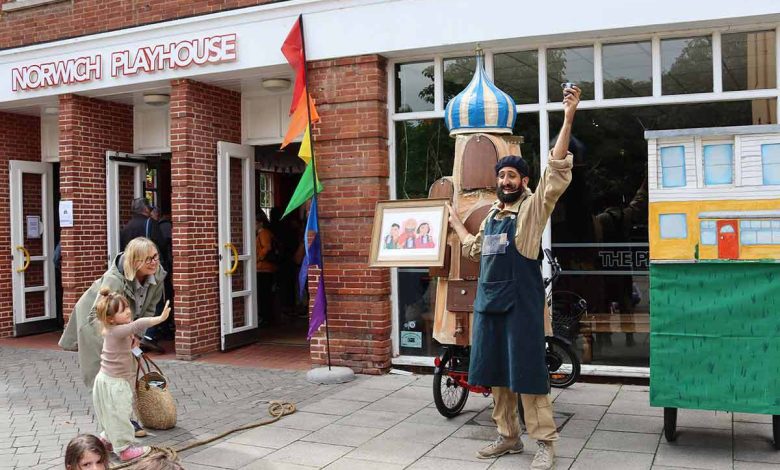
Norwich Theatre Playhouse Embarks on Transformative Redevelopment Journey
Norwich Theatre Playhouse has recently unveiled plans for an ambitious redevelopment project, marking a significant milestone in the venue’s history. The long-anticipated renovation aims to address two critical aspects of the theater’s operations: accessibility and sustainability. These plans represent not just a physical transformation of the space, but a renewed commitment to creating an inclusive and environmentally responsible cultural hub for the Norwich community and beyond.
The proposed redevelopment comes at a crucial time for the arts sector, which continues to navigate post-pandemic challenges and increasing operational costs. By focusing on accessibility improvements, the Playhouse is acknowledging the importance of making theater available to all audiences, regardless of physical abilities or socioeconomic backgrounds. The sustainability aspects of the renovation reflect a growing awareness within the arts community about environmental responsibility and the need for cultural institutions to reduce their carbon footprint. Together, these priorities demonstrate the Playhouse’s forward-thinking approach to its role as a community resource.
At the heart of the redevelopment is a vision for a more welcoming and functional space that honors the Playhouse’s unique character while bringing its facilities into the 21st century. The plans likely include practical improvements such as enhanced access routes, updated seating configurations, modernized technical equipment, and energy-efficient systems. These changes aren’t merely cosmetic—they represent a fundamental rethinking of how the theater operates and serves its diverse audiences. The submission of these plans to local authorities marks the beginning of a formal process that will involve community consultation, regulatory approval, and eventually, construction.
The Norwich Theatre Playhouse holds a special place in the region’s cultural landscape, having nurtured countless productions and provided a platform for both established and emerging talent over the years. This redevelopment acknowledges the venue’s historical significance while ensuring its continued relevance and viability for future generations. By investing in its physical infrastructure, the Playhouse is making a statement about the enduring importance of live theater as a form of artistic expression and community engagement, even in an increasingly digital world. The theater’s leadership clearly recognizes that to remain vital, cultural spaces must evolve in response to changing audience expectations and societal values.
Funding for such an ambitious project typically comes from multiple sources, including arts council grants, charitable foundations, private donors, and potentially local government support. The financial commitment required for such a renovation underscores the theater’s confidence in its future and its belief in the continued relevance of live performance. It also highlights the broader economic impact of cultural institutions, which not only provide employment and creative opportunities but also contribute to local tourism and the vibrancy of urban centers. The Playhouse’s investment in its future comes at a time when many arts organizations are facing difficult decisions about sustainability and growth.
As the plans move through the approval process, the Norwich community has an opportunity to engage with and shape the future of one of its cherished cultural assets. The redevelopment of the Playhouse represents more than just architectural changes—it embodies a philosophy about the role of theater in contemporary society and a commitment to making artistic experiences available to all. When completed, the renovated venue will stand as a testament to the power of cultural spaces to adapt, evolve, and continue serving their communities in meaningful ways. The Norwich Theatre Playhouse’s redevelopment plans signal optimism about the future of live performance and recognize that theaters must be both guardians of tradition and pioneers of innovation.






0a5w68