


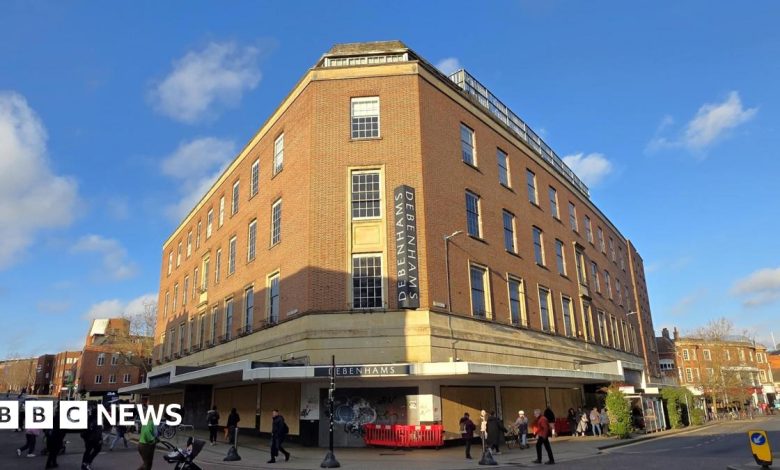
Debenhams Site Development Receives Approval After Heated Debate
Matthew Horne, representing OHDL development company, passionately defended the plans to transform the abandoned Debenhams building during a contentious city council meeting. Describing the current site as “a boarded-up eyesore,” Horne emphasized the positive potential of their proposal despite local concerns. He noted that the developers had extended an invitation for further discussion that went unanswered by opposition groups, highlighting the company’s willingness to engage with the community. Horne made a compelling case that the development represented a significant improvement regardless of outcome: “In a worst case scenario, the city would gain a state-of-the-art building, high-quality accommodation, and reinstated retail space” – benefits that would replace what currently stands as a vacant commercial property deteriorating in the heart of the community.
The development team further suggested their student accommodation would have broader positive implications for the local housing market. Horne argued that by creating purpose-built student housing, the project could potentially free up traditional residential properties “that would otherwise be used by students.” This point resonated with supporters who viewed the development as a potential solution to housing pressure in surrounding neighborhoods, where family homes are often converted to student rentals. By concentrating student populations in a dedicated facility, the development could theoretically return existing housing stock to families and long-term residents, addressing multiple community needs simultaneously.
The council meeting stretched beyond two hours as elected officials engaged in thorough examination of the proposal’s merits and potential drawbacks. The lengthy debate reflected the significance of redeveloping such a prominent site and the competing interests at stake. Green Party councillor Ian Stutely voiced skepticism about one of the developer’s central claims, stating there was “no evidence” that creating these new student flats would actually result in other homes becoming available in the community. This challenge to the developer’s housing market assumptions represented broader concerns about whether the project would deliver its promised community benefits or simply maximize profit while adding to existing pressures on local infrastructure and services.
Throughout the proceedings, council members wrestled with balancing economic development against community preferences and housing needs. The debate highlighted the tensions inherent in urban redevelopment projects, particularly those converting former retail spaces to residential use during a period of changing consumer habits and increasing housing demand. At one point, it appeared the committee might reject the proposal, with a majority initially signaling opposition to the plans. This temporary shift demonstrated the genuine deliberation occurring among decision-makers and the effectiveness of arguments from both supporters and critics in influencing council perspectives.
The developers’ vision for transforming the empty department store into a vibrant mixed-use property ultimately proved persuasive to a majority of council members, despite significant opposition. The adaptive reuse of the prominent vacant building promised to restore activity to an important commercial area while addressing housing needs. After exhaustive discussion and consideration of multiple community factors, the committee reached its final decision in favor of the development. The proposal passed with five votes supporting the redevelopment and three opposing, reflecting the divided but ultimately favorable view of the project’s potential contribution to the city’s future.
This approval marks a significant step forward in reimagining the future of the former Debenhams site, though the narrow voting margin indicates ongoing community concerns that developers may need to address as the project advances. The decision reflects broader trends in urban development where former retail spaces are increasingly being repurposed for residential use, particularly in city centers. While not unanimously embraced, the approved plans will transform a vacant commercial property into what developers promise will be a modern, multi-purpose building that combines retail preservation with new housing options. The redevelopment represents both the challenges and opportunities facing communities as they adapt to changing economic conditions and evolving urban needs in the post-pandemic retail landscape.






snm7cg