


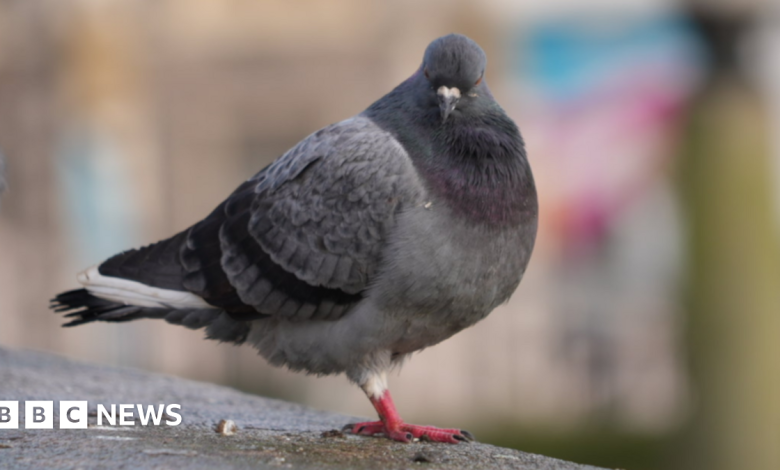
A Humane Approach to Pigeon Control: Cambridge’s Market Square Dilemma
Cambridge city officials have stepped away from traditional culling methods in their ongoing struggle with the local pigeon population, instead exploring more compassionate alternatives to address the issue. The most promising approach currently under consideration is egg swapping—an innovative technique that involves replacing real pigeon eggs with convincing decoys. This thoughtful strategy allows the birds to continue their natural nesting behaviors without psychological distress, while effectively preventing new generations from hatching. The method represents a significant shift toward more ethical wildlife management practices in urban settings, acknowledging the pigeons as living creatures deserving of humane treatment while still addressing the legitimate concerns about their growing numbers in the market area.
Last November, the council invested £4,000 in an alternative solution, bringing in a group of Harris’s hawks to patrol Cambridge Market Square. These raptors were not deployed as hunters but as deterrents, intended to frighten the pigeons into establishing nests and roosts elsewhere without causing them physical harm. The four-week trial represented a natural approach to the problem, using the pigeons’ instinctual fear of predators to modify their behavior rather than resorting to more direct interventions. However, this program hit an unexpected roadblock in January when it was paused due to members of the public deliberately undermining the effort by providing “industrial amounts of bird feed” to the pigeons, essentially anchoring them to the location despite the hawks’ presence.
The hawk patrol initiative, while well-intentioned, sparked significant community backlash, culminating in a petition that gathered over 4,300 signatures from concerned citizens who wanted to see the pigeons protected and cared for properly. This strong public response highlighted the emotional connection many Cambridge residents feel toward these urban birds, which many view as an integral part of the market’s character and atmosphere. The controversy demonstrates the complex balance city officials must strike between effective urban wildlife management and respecting community values regarding animal welfare. The petition’s substantial support suggests that any successful solution must not only be effective but must also align with the community’s ethical standards and emotional attachments.
In response to the challenges created by public feeding, the council has now voted to introduce fines for those who continue to feed the pigeons in the market area. This regulatory approach acknowledges that well-meaning but misguided human behavior is exacerbating the pigeon population issue. City Councillor Harper expressed frustration with the situation, noting that previous requests for the public to stop feeding the birds had proven ineffective—like “fighting a losing battle.” The new financial penalties represent an attempt to create meaningful consequences for actions that, while perhaps kindly intended, ultimately contribute to population growth, increased waste, and potential health concerns in the market square.
This ongoing situation in Cambridge exemplifies the multifaceted challenges of urban wildlife management in the 21st century. Cities worldwide are increasingly rejecting lethal control methods in favor of more humane approaches, reflecting evolving public attitudes about our responsibilities toward urban animal populations. The egg-swapping proposal represents this shifting paradigm perfectly—acknowledging that while control measures may be necessary, they need not be cruel. By allowing the pigeons to engage in their natural behaviors while humanely limiting population growth, Cambridge is working toward a balanced solution that respects both human needs and animal welfare.
The Cambridge pigeon management story reflects broader questions about how humans and wildlife can coexist in shared urban spaces. The community’s divided response—with some actively undermining control efforts while others support intervention—highlights how urban wildlife issues often become emotionally charged debates about values rather than simple practical problems. As cities continue to grow and wildlife adapts to urban environments, finding compassionate, effective, and community-supported approaches to wildlife management will only become more important. Cambridge’s exploration of egg swapping, hawk patrols, and feeding regulations represents not just a response to a local pigeon problem, but part of an evolving conversation about our ethical responsibilities toward the creatures that share our urban habitats.






3eaqjw