


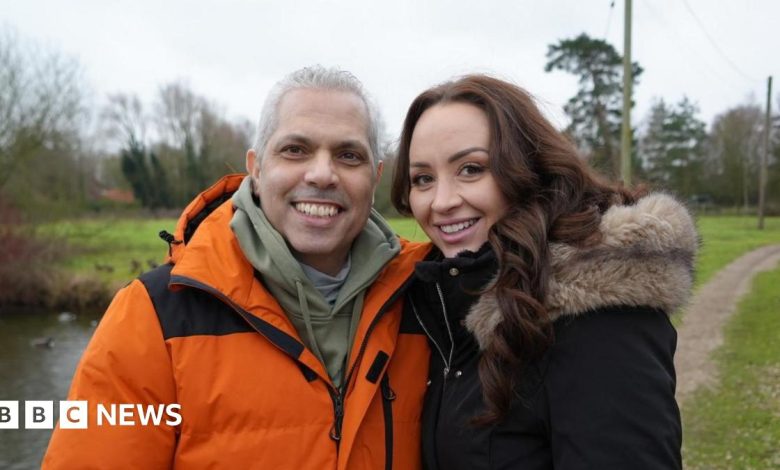
Nick’s Journey Through Advanced Oesophageal Cancer
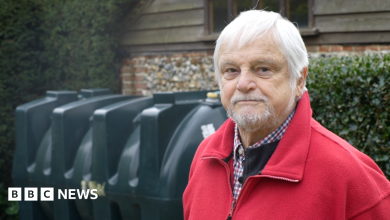
Nick’s battle with advanced oesophageal cancer has been a challenging journey filled with modern medical interventions and significant lifestyle adjustments. Following his diagnosis, doctors determined that his condition required aggressive treatment, including additional chemotherapy sessions and a major transition in his diet. This dietary shift has been particularly demanding, as Nick has had to adapt from solid foods to a primarily liquid diet, before gradually introducing soft foods that his now significantly reduced stomach can process. Despite these difficulties, Nick has approached his treatment with remarkable resilience, understanding that these changes, though drastic, are necessary components of his healing process.
When Nick’s medical team recommended robotic surgery as part of his treatment plan, his 19-year-old daughter Tabitha couldn’t help but feel apprehensive. The notion of entrusting her father’s life to such advanced technology naturally triggered concern. “I remember talking to the nurse and they told me that three years ago this surgery wouldn’t even have happened,” Tabitha recalled, highlighting just how cutting-edge the procedure was. Despite her initial worries, Tabitha found strength in placing her trust in the healthcare professionals caring for her father. This leap of faith wasn’t easy, but it represented the family’s commitment to exploring every possible avenue for Nick’s recovery.
The surgical team’s expertise proved to be a cornerstone of Nick’s treatment experience, earning high praise from both him and his daughter. Tabitha described them as “remarkable people,” acknowledging the extraordinary skill and compassion they demonstrated throughout the process. This positive relationship with the medical staff helped foster an atmosphere of optimism in what could otherwise have been an overwhelmingly frightening situation. Tabitha emphasized the importance of maintaining a hopeful outlook, adding, “you’ve got to be positive, he’s a fighter.” Her characterization of her father as a fighter speaks volumes about his determination and the strength of character he has exhibited throughout his cancer journey.
For Nick himself, the focus has remained steadfastly on the potential for recovery rather than the difficulties of treatment. “The important thing,” he emphasized, “was that I was hopefully cancer-free.” This perspective reveals Nick’s ability to keep his attention on the ultimate goal—regaining his health—rather than becoming discouraged by the challenging process of getting there. His attitude demonstrates a remarkable emotional resilience that has undoubtedly played a crucial role in helping him navigate the physical, emotional, and psychological challenges of cancer treatment. This focus on the positive outcome rather than the difficult path has been a powerful coping strategy for Nick.
Looking back on his experience, Nick offers reassurance to his past self and others who might face similar circumstances. “I would tell my past self not to worry,” he reflected, acknowledging that the fear and uncertainty that accompanied his diagnosis were perhaps more difficult to bear than the actual treatment process. This insight highlights an important reality of the cancer experience: often, the anticipatory anxiety and dread can be as challenging as the physical aspects of treatment. Nick’s message suggests that finding ways to manage this anxiety and maintain faith in the treatment process can make a significant difference in one’s overall experience.
Nick’s current state offers a powerful testament to both modern medicine and human resilience. “I feel quite amazing,” he reported with evident satisfaction, adding, “as soon as I’ve finished here, I’m off to take the dog for a walk!” This simple statement powerfully illustrates Nick’s return to normalcy and the everyday pleasures that cancer had temporarily placed in jeopardy. The image of Nick walking his dog—a routine activity that many take for granted—becomes a profound symbol of victory and reclaimed life. His story reminds us that even in the face of advanced cancer and intensive treatments, there remains the possibility of regaining strength, finding joy in simple activities, and moving forward with hope and determination.


Simply a smiling visitant here to share the love (:, btw outstanding pattern.
I’m impressed, I need to say. Actually hardly ever do I encounter a weblog that’s each educative and entertaining, and let me let you know, you have got hit the nail on the head. Your idea is outstanding; the difficulty is one thing that not enough people are speaking intelligently about. I am very pleased that I stumbled throughout this in my search for something referring to this.