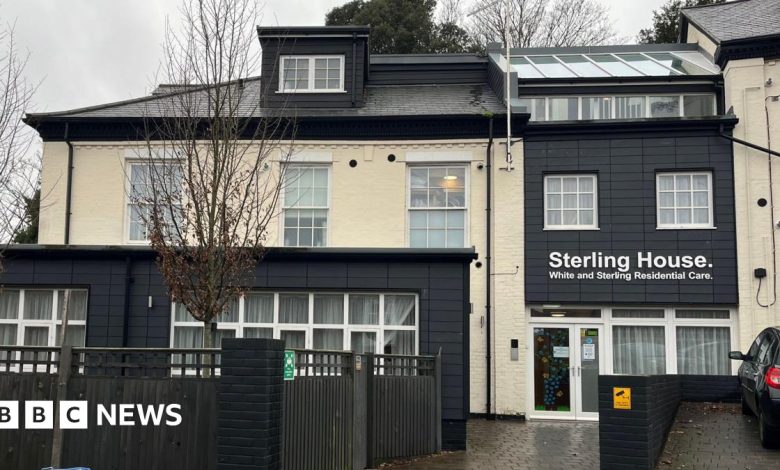
A Closer Look at Care Home Conditions: Warmth Amidst Concerns
The recent assessment of a care home reveals a complex picture of compassion mixed with concerning operational shortfalls. While residents and their families express genuine appreciation for the staff’s warmth and dedication, independent evaluators identified several areas requiring urgent attention. The facility appears to operate with a disconnect between the caring intentions of frontline workers and systematic failures at the management level, creating an environment where residents’ basic safety needs aren’t consistently met through proactive measures.
Perhaps most concerning were the environmental safety issues uncovered during the evaluation. Residents had access to potentially harmful items throughout both shared and private spaces, creating unnecessary risks for vulnerable individuals. The physical environment itself wasn’t well maintained, adding further safety concerns. These conditions existed alongside ineffective monitoring systems that should have identified such hazards before they became problematic. This combination of environmental neglect and inadequate safety protocols points to more systemic issues rather than isolated incidents.
Daily care practices revealed equally troubling patterns regarding residents’ fundamental health needs. The report highlighted insufficient monitoring and intervention measures for critical risks including dehydration, inadequate food intake, malnutrition, skin breakdown, and choking hazards. These aren’t minor oversights but essential aspects of care that directly impact residents’ wellbeing and dignity. Such gaps in basic care protocols suggest a lack of comprehensive training, insufficient staffing, or absence of clear procedures – possibly all three contributing factors working in tandem.
The social and emotional aspects of care also showed significant room for improvement. Evaluators observed residents sitting for extended periods in communal areas with minimal interaction or meaningful stimulation. During mealtimes, some residents were positioned alone or facing walls rather than enjoying the social aspects of dining. These practices, while perhaps unintentional, reflect a concerning lack of attention to the emotional and psychological dimensions of care. Quality eldercare extends beyond physical safety to include engagement, dignity, and social connection – elements seemingly overlooked in daily routines.
Underlying these various issues was a clear breakdown in governance and oversight mechanisms. The management team had failed to implement effective audits and quality assurance processes that might have identified and addressed these problems before they affected residents’ experiences. Additionally, the facility hadn’t consistently reported notifiable events to regulatory authorities as required by law, further indicating governance deficiencies. Without proper systems for identifying problems, measuring outcomes, and implementing improvements, even well-intentioned care efforts become inconsistent and reactive rather than proactive and thorough.
Despite these significant operational concerns, it’s important to acknowledge the positive human connections evident within the facility. Residents and their families specifically highlighted the warmth and dedication of frontline staff, indicating that most were generally satisfied with the care received on a personal level. This disconnect between caring individual staff members and systemic organizational failures creates a poignant picture of dedicated professionals working within a flawed system. The challenge moving forward appears to be aligning management practices, environmental standards, and daily care protocols with the compassion already demonstrated by many staff members, to ensure residents receive both the personal warmth and professional excellence they deserve.