Legal Aid Cut Puts Domestic Abuse Victims at Risk in Norfolk
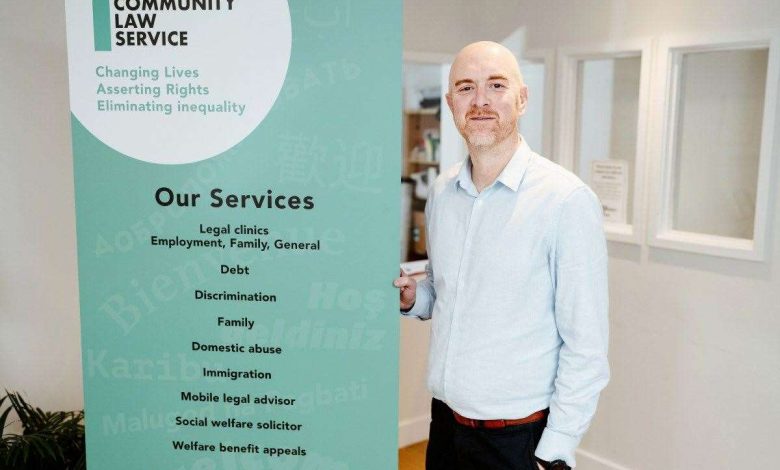
A vital community legal service in Norfolk that provides a lifeline to hundreds of domestic abuse victims is facing a critical funding crisis. The Norfolk Community Law Service (NCLS), which has been offering free legal advice for over 40 years, will lose essential funding from April following a decision by Norfolk’s Police and Crime Commissioner (PCC) Sarah Taylor not to renew their grant. This cut threatens a service that supported 452 domestic abuse victims last year alone and comes at a particularly concerning time when demand for such services is steadily increasing across the region. NCLS, which extends its reach to Lynn and West Norfolk, has warned that this decision carries “serious safeguarding implications” for vulnerable people trying to escape abusive relationships.
The funding cut affects NCLS’s domestic abuse legal advice service, which provides critical early intervention for victims navigating complex legal processes. Chief Executive David Powles has challenged the decision, contacting both the PCC and Norfolk’s MPs to express his concerns about the impact on community safety. “Our service is often the first step towards safety for survivors,” Powles explained. “Without it, many victims are left navigating a complex legal system alone or remain trapped in abusive situations because they cannot identify a safe or viable route out.” The specialized support offered by NCLS helps victims secure protective orders, address housing instability, tackle financial abuse, manage child arrangements, and deal with immigration insecurity. Perhaps most importantly, it can prevent further abuse in cases where criminal prosecution isn’t possible.
PCC Sarah Taylor has defended her decision by pointing to changing priorities and financial constraints. “Today, we are all working in a very different landscape,” she stated, citing the new Police and Crime Plan’s focus on prevention, alongside additional obligations from the Government’s violence against women and girls strategy, devolution decisions, and road safety initiatives—all placing demands on “finite resources.” Taylor acknowledged the importance of NCLS’s work, particularly given cuts to Legal Aid, and expressed willingness to reconsider funding “should further funding become available,” but could offer no guarantees “as things currently stand.” The service had previously received around £46,000 annually between 2022 and 2025, reduced to £35,000 last year, to support “hundreds of high-risk survivors who face significant barriers to accessing justice.”
The potential consequences of this funding cut extend far beyond simple financial concerns for the organization. NCLS has highlighted that there is “no comparable service in Norfolk offering this level of specialist early legal intervention” for domestic abuse victims. The service has documented tangible outcomes for those they support, including improved safety, reduced repeat victimization, better mental health and wellbeing, and more effective engagement with the criminal justice system. Without access to this specialized support, Powles warns that “many survivors could potentially delay leaving abusive relationships, abandon attempts to seek protection, or remain at risk due to fear of homelessness, financial dependency, or losing contact with their children or pets.” This represents not merely a reduction in available services but potentially increases the risk to some of Norfolk’s most vulnerable residents.
The funding crisis hits during what many legal experts describe as a perfect storm in access to justice. NCLS points out that their services are even more crucial today because many victims in Norfolk are unable to access Legal Aid at all, or face significant delays before assistance becomes available. Compounding this problem, many law firms have stopped taking on Legal Aid work altogether, creating what NCLS describes as “Legal Aid deserts” across large areas of the country, including Norfolk. The service cites a Citizens Advice report titled “Victims of Abuse: Struggling for Support,” which found that many victims completely abandon legal options when they cannot access Legal Aid or specialist advice, even when abuse continues. According to the report, survivors often don’t pursue protective orders or court action because they find the process too intimidating to navigate alone or fear facing their abuser without proper representation.
Despite this setback, NCLS remains “committed to working collaboratively” with partners across Norfolk to maintain what they describe as a “robust, victim-centered response to domestic abuse—one that prioritizes prevention, protection, and recovery.” Powles has called for an “urgent review” of the funding decision and “meaningful engagement to explore how this vital service can be sustained.” The organization’s determination to continue supporting domestic abuse victims reflects its four-decade commitment to providing free legal advice to those who need it most. However, the reality remains that without stable funding, this crucial safety net for hundreds of vulnerable people across Norfolk faces an uncertain future. The coming months will reveal whether alternative funding sources can be secured or if this essential service will be forced to reduce its support for domestic abuse victims at a time when they need it most.