New Mills Yard Bridge Restoration: Reconnecting Norwich’s Historic Waterway
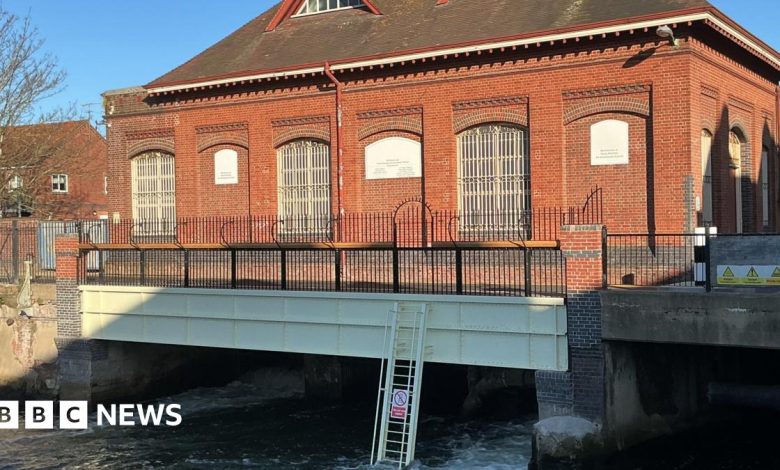
The recently completed New Mills Yard bridge in Norwich now stands ready to serve the community once again, representing a crucial connection for local residents, businesses, and visitors alike. As a city spokesperson announced with pride, this infrastructure project does more than simply span water—it reconnects parts of Norwich that share centuries of intertwined history and daily life. The bridge’s restoration acknowledges both its practical importance in modern urban movement and its place in the historical landscape of the city, offering improved accessibility while honoring the site’s heritage.
This location carries profound historical significance, having been home to water mills for nearly six centuries. Dating back to at least 1430, New Mills Yard was an essential part of Norwich’s industrial and economic development, harnessing water power when it was the primary energy source for commercial activity. For generations, the mills represented the technological innovation of their time, processing materials and supporting livelihoods for countless Norwich families. The steady flow of the water and the turning of the mill wheels would have been constant companions to the daily rhythms of medieval and early modern Norwich life.
The site’s identity evolved in the 1890s with the construction of a pumping station—a vital advancement in Norwich’s urban infrastructure. This facility represented a significant civic improvement, serving as an integral component of the city’s sewage system during a period when many growing urban centers were addressing public health challenges through improved sanitation. The pumping station operated faithfully for over eight decades, silently performing its essential function as the city grew and changed around it. Workers who maintained the facility over the decades became part of a legacy of public service that helped shape Norwich into a modern city.
After providing its critical service for 82 years, the pumping station finally ceased operations in 1972. Its closure marked the end of an era, as a larger and more advanced sewage facility in Whitlingham took over its functions. This transition symbolized Norwich’s continued growth and modernization, with infrastructure expanding to meet the needs of a changing population. While the original pumping station became redundant from a functional perspective, the historical significance of New Mills Yard remained deeply embedded in the city’s story—a physical reminder of how urban necessities have evolved over time.
The bridge’s recent restoration highlights a commitment to preserving connections to both place and past. While the mills and pumping station may no longer serve their original purposes, the pathway over the water continues to fulfill its essential function—bringing people together and facilitating movement through the urban landscape. The bridge stands as a perfect metaphor for how cities like Norwich continuously adapt historical infrastructure for contemporary needs, finding new value in old structures. Its restoration demonstrates how practical urban planning can harmonize with heritage conservation, serving present requirements while acknowledging the historical threads that have woven the community together.
As Norwich residents and visitors cross the newly completed New Mills Yard bridge today, they participate in a journey that countless others have made across different iterations of this crossing throughout nearly six centuries. Whether they realize it or not, each person walking, cycling, or pausing to look at the water below becomes part of an ongoing historical narrative. The bridge serves as both a practical route and a physical connection to Norwich’s industrial past, water management innovations, and community development. In this way, the seemingly simple act of bridge restoration becomes something more profound—a commitment to maintaining the visible layers of history that make Norwich not just a place to live, but a place with a story to tell.