


Narborough man Kevin Fowley charged with endangering life after 12-hour stand-off with armed police

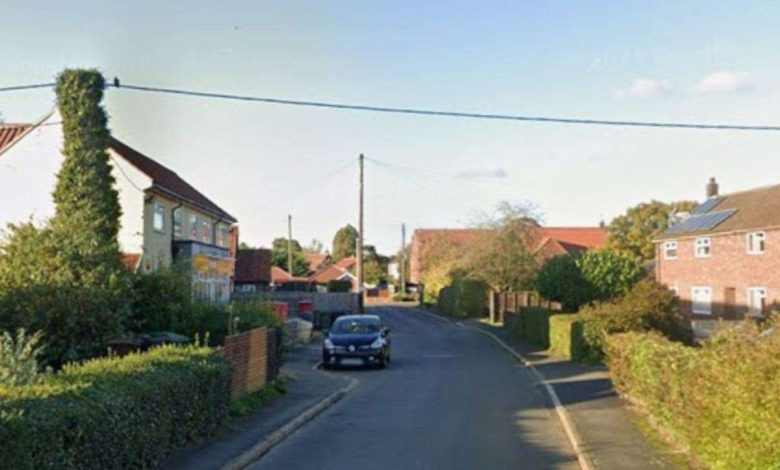
Standoff in Narborough: A Community on Edge
In the quiet village of Narborough, what began as a concerned call to emergency services evolved into a tense seven-hour standoff that left the community shaken. Last Thursday afternoon, police responded to a distress call at a residence on Meadow Close, where they encountered 47-year-old resident Kelvin Powley in a state of crisis, threatening harm to both himself and others. What followed was a complex and delicate operation involving multiple emergency services working through the night to resolve the situation safely.
The initial call came at 4:38 pm, with police quickly determining that the situation warranted additional resources. As darkness fell over the normally peaceful street, the scene transformed with the arrival of ambulance crews, firefighters, police negotiators, canine units, and even drone operators. Neighbors watched with growing concern as their familiar surroundings became the setting for an unfolding crisis. The significant deployment of emergency resources highlighted the seriousness of the situation, with authorities establishing a perimeter while skilled negotiators attempted to establish meaningful communication with Powley.
The standoff continued through the evening and into the early hours of the following morning, testing the patience and training of the emergency responders. Behind the scenes, professionals worked tirelessly to de-escalate the situation, balancing the immediate safety concerns with the need for a peaceful resolution. Their efforts finally bore fruit at 4:53 am on Friday, more than twelve hours after the initial call, when Powley was safely taken into custody. He was immediately assessed by paramedics on scene and transported to a local hospital for further evaluation—a standard procedure in cases involving potential mental health concerns and the high-stress environment of a prolonged standoff.
Following medical assessment, the legal process began swiftly. Powley appeared before Norwich Magistrates’ Court on Saturday, February 7, facing multiple serious charges. These included criminal damage, recklessly endangering life, assaulting two emergency workers, and an additional assault charge. The nature of these charges reflects the complex and potentially dangerous situation that unfolded on Meadow Close. During this initial court appearance, the magistrates determined that the case warranted remanding Powley into custody until his next court date, scheduled for Monday, March 9, when he will attend a plea and trial preparation hearing that will determine the next steps in the legal proceedings against him.
Incidents of this nature raise important questions about mental health support and crisis intervention in communities. While the details of Powley’s personal circumstances remain protected by privacy considerations and the pending legal process, situations like these often highlight the challenges facing individuals in emotional distress and the resources available to help them before reaching a crisis point. The authorities’ inclusion of contact information for the Samaritans in their public statements acknowledges the broader context of mental health concerns that may be associated with incidents of this nature, offering a reminder that confidential support is available to anyone experiencing emotional difficulties.
The impact of such incidents extends beyond the individuals directly involved. For residents of Meadow Close and the wider Narborough community, the standoff represents an unsettling disruption to daily life and a reminder of the vulnerabilities that exist even in seemingly peaceful neighborhoods. As the legal process moves forward, the community begins the process of returning to normalcy, while emergency services reflect on their response and prepare for future challenges. The resolution without physical injuries stands as a testament to the professionalism of the response teams, even as questions about prevention and support systems remain part of an ongoing conversation about how communities address mental health crises and public safety concerns.






q753th