The Renaissance of Carrow Works: A New Chapter for Norwich
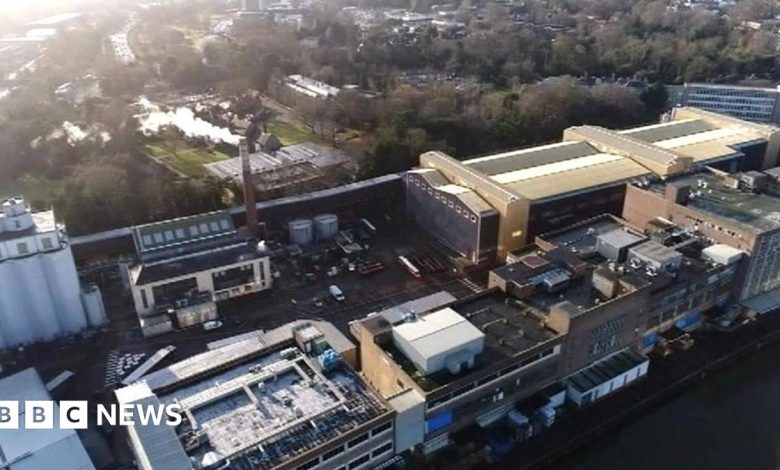
The historic Carrow Works site, once the beating heart of Norwich’s industrial landscape, has stood silent and abandoned since 2020. This was the year when Unilever, the parent company of the iconic Colman’s Mustard, made the difficult decision to relocate production away from its traditional Norfolk home. The closure marked the end of an era for a brand that had been synonymous with Norwich for generations, leaving behind a vast industrial complex rich with history but uncertain in its future. The departure of Colman’s came in the wake of another significant loss for the site, as three years earlier, Britvic had already announced the cessation of Robinsons drinks production at the factory. These consecutive exits effectively closed the book on more than a century of manufacturing heritage that had provided employment and identity for countless Norwich families across generations.
The abandoned 42-acre industrial complex didn’t remain without vision for long, however. City planners quickly recognized its potential, incorporating the sprawling site into what became known as the East Norwich Strategic Regeneration Area. Norwich City Council saw tremendous opportunity in this brownfield land, suggesting it could accommodate as many as 3,500 new homes – a significant contribution to addressing the region’s housing needs while repurposing industrial land rather than expanding into greenfield sites. This ambitious vision represented a radical transformation, potentially converting a space once defined by the production of mustard and soft drinks into a vibrant residential neighborhood that could help revitalize the eastern portion of the city. The sheer scale of the site presented both challenges and opportunities for urban planners attempting to integrate this industrial island back into the fabric of the city.
Despite the promising vision, the path to redevelopment proved challenging. Two years ago, a substantial proposal to create 1,859 homes on the site hit a significant roadblock when planning authorities rejected the application. The denial stemmed from several concerns, with the insufficient provision of affordable housing standing out as a primary issue. This rejection highlighted the tension between commercial development interests and the community’s needs for accessible housing options, particularly in a region where affordability has become increasingly problematic for local residents. The failed application represented a setback in the timeline for bringing new life to this dormant industrial landmark, leaving its future once again uncertain as stakeholders returned to the drawing board.
The narrative has now taken a positive turn with the announcement that Homes England, the government’s housing and regeneration agency, has successfully acquired the Carrow Works site. While financial details of the purchase remain undisclosed, the acquisition represents a significant public-sector intervention aimed at breaking the development impasse. Homes England’s involvement signals a more coordinated approach between national and local government in addressing the housing challenges facing Norwich, potentially bringing additional resources and expertise to bear on what has proven to be a complex redevelopment challenge. This acquisition moves the site from private speculation to public-purpose development, potentially rebalancing priorities toward community benefit.
Alison Crofton, Chief Regional Delivery Officer at Homes England, expressed optimism about the site’s future, emphasizing the organization’s commitment to partnership with Norwich City Council. Her statement highlighted the shared ambition “to turn this complex brownfield site into a thriving neighbourhood” – a vision that acknowledges both the technical challenges of redeveloping former industrial land and the social opportunity to create not just housing units, but a genuine community. This collaborative approach between the national housing agency and local government suggests a more holistic development strategy that might better address the concerns that derailed previous proposals, particularly regarding affordable housing provision and integration with the surrounding urban context.
The Carrow Works redevelopment represents more than just a housing project; it embodies a transition from Norwich’s industrial past to its residential future. The site that once produced iconic British products now has the potential to become home to thousands of Norwich residents, creating new memories and community connections where once stood machinery and production lines. As Homes England and the city council move forward with their plans, they carry the responsibility of honoring the site’s heritage while meeting contemporary needs for sustainable, inclusive urban development. The eventual transformation of Carrow Works will likely serve as a case study in how post-industrial cities can reimagine their landscapes, turning monuments to past economic eras into foundations for community growth and urban renewal in the decades to come.