Energy Bills Set to Decrease in April Due to Government Measures
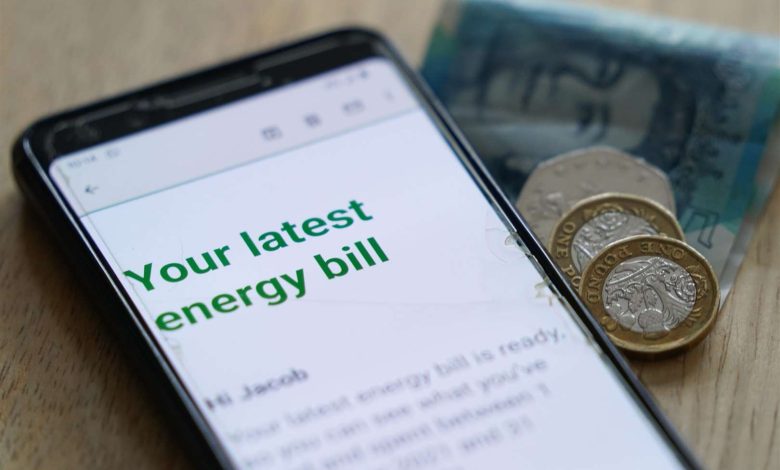
Households across the UK can expect some welcome relief on their energy bills this spring. According to forecasts from energy consultancy Cornwall Insight, typical dual fuel household bills are predicted to fall by approximately 7% when Ofgem updates the energy price cap in April. This reduction translates to an estimated £117 decrease, bringing the average annual bill down to £1,641 from the current £1,758. The upcoming announcement, expected by February 25, will set the cap for the three months beginning April 1, providing a much-needed financial breather for many families still struggling with the cost-of-living crisis.
The primary driver behind this reduction stems from policy changes announced by Chancellor Rachel Reeves in her November budget. The Labour government’s decision to scrap the Energy Company Obligation (Eco) scheme—a Conservative-introduced initiative that funded energy efficiency improvements for vulnerable households—is expected to cut approximately £145 from annual bills once VAT and pricing allowances are factored in. This figure is slightly lower than the £150 reduction initially promised by the Chancellor, as rising charges related to the operation and maintenance of Britain’s energy networks have partially offset the potential savings. Nevertheless, the overall impact remains positive for consumers who have endured significant bill increases over the past two years.
While government policy changes account for the majority of the predicted decrease, wholesale energy markets continue to play a crucial role in determining bill amounts. Cornwall Insight notes that wholesale prices have experienced some volatility since their last forecast in December, particularly in the gas market where geopolitical tensions continue to create uncertainty. Despite these fluctuations, wholesale costs remain lower than when Ofgem established the January cap level, contributing modestly to the overall reduction. Looking ahead, the consultancy anticipates relatively stable energy prices throughout 2024, with only a minimal increase forecast for July, suggesting that dramatic price swings may be less likely in the short term.
Craig Lowrey, principal consultant at Cornwall Insight, emphasized the positive impact this reduction will have on household finances, stating that “any reduction in bills is positive, easing pressure at a time when affordability really matters.” He highlighted that the government’s policy interventions are “doing most of the heavy lifting” in terms of bill reductions, while recent wholesale cost fluctuations will have minimal impact on April’s bills. This intervention comes after a particularly challenging period for UK energy consumers who have faced substantial price increases since 2021, driven largely by global market volatility following Russia’s invasion of Ukraine and subsequent supply constraints across Europe.
Despite the welcome news of lower bills, Lowrey cautioned that maintaining these savings in the long term presents significant challenges. The UK faces substantial costs associated with upgrading energy networks and infrastructure to enhance security and resilience while reducing dependence on imported gas. This transition toward a more secure and sustainable energy system requires significant investment, which ultimately needs to be funded. As Lowrey noted, “The real test will be keeping those savings going,” highlighting the delicate balance between providing immediate relief to consumers and ensuring necessary investment in the country’s energy future.
The energy expert called for “an open conversation” about the costs associated with transitioning to a more secure and resilient energy system. The experience of recent years has clearly demonstrated the risks of over-reliance on global energy markets, with UK consumers particularly vulnerable to international price shocks. While the current bill reduction offers welcome immediate relief, the broader challenge remains how to build an energy system that delivers long-term affordability while funding the necessary infrastructure improvements and transition to cleaner energy sources. This tension between short-term affordability and long-term investment needs will likely continue to shape energy policy debates in the coming years, as both consumers and policymakers navigate the complex path toward a more stable energy future.