Norwich Market Faces Change with New Covered Seating Area
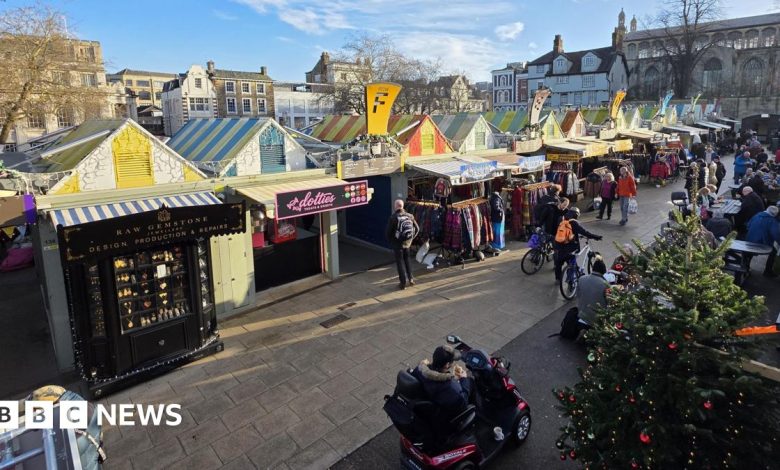
In the heart of Norwich, a transformation is underway at the historic market, stirring mixed emotions among longtime vendors and newcomers alike. The introduction of a covered seating area represents both opportunity and challenge for the market community that has served as a cornerstone of local commerce for generations.
Ella Jakaj, the familiar face behind Reggie’s Tea Stall, expresses the uncertainty felt by many stallholders: “It is very sad as we will have to move. We don’t know what will happen.” Her words capture the apprehension of vendors who have built their livelihoods within the market’s current configuration, now facing potential displacement as the renovation plans move forward. For people like Ella, the market isn’t just a workplace but a second home, filled with memories and relationships cultivated over years of serving the Norwich community their morning cuppas and afternoon refreshments.
The proposed changes come in response to the evolving character of Norwich Market over the past decade. City officials point to a significant increase in food vendors throughout the marketplace, creating a need for dedicated dining space where customers can comfortably enjoy their purchases. This shift reflects broader trends in urban markets nationwide, where traditional retail stalls increasingly share space with diverse food offerings that cater to visitors seeking culinary experiences rather than just everyday necessities. The market’s transformation mirrors changing consumer habits and expectations in the modern era, where public spaces must serve multiple purposes to remain viable.
Wildlife management has emerged as another driving factor behind the renovation plans. The open-air nature of the current market has created an unintended sanctuary for urban birds, with pigeons and seagulls becoming increasingly problematic. Norwich City Council has gone so far as to employ falconry services, using hawks to deter these persistent avian visitors who swoop down for unattended food scraps. This unusual solution highlights the growing tension between maintaining the traditional open-air market atmosphere and addressing modern hygiene concerns that affect both vendors and customers.
Demi Lin from the market’s Double Trees bakery voices support for the renovation, noting: “It does need a seating area to stop the pigeons from taking food – it is a hygiene issue.” Her practical perspective represents vendors who see the changes as necessary adaptations to ensure food safety standards meet contemporary expectations. For food sellers like Demi, whose products are particularly vulnerable to bird interference, the covered seating area represents not just convenience but a crucial improvement to the market’s infrastructure that may actually preserve its viability in the long term.
Andi Skenderi of Italian Street Food offers another optimistic view of the planned changes: “It will make the market busier as people will have a place to sit. At the moment, there is nowhere for people to go when it rains.” His comments highlight the weather vulnerability that has always challenged outdoor markets throughout England. The addition of sheltered seating acknowledges the reality of Britain’s often unpredictable climate, potentially extending the market’s appeal throughout the year rather than seeing visitor numbers fluctuate dramatically with the weather. While some vendors face uncertainty and possible relocation, others see the renovation as an investment in the market’s future, creating a more comfortable experience that will attract new visitors while better serving loyal customers who have supported Norwich Market through changing times.