


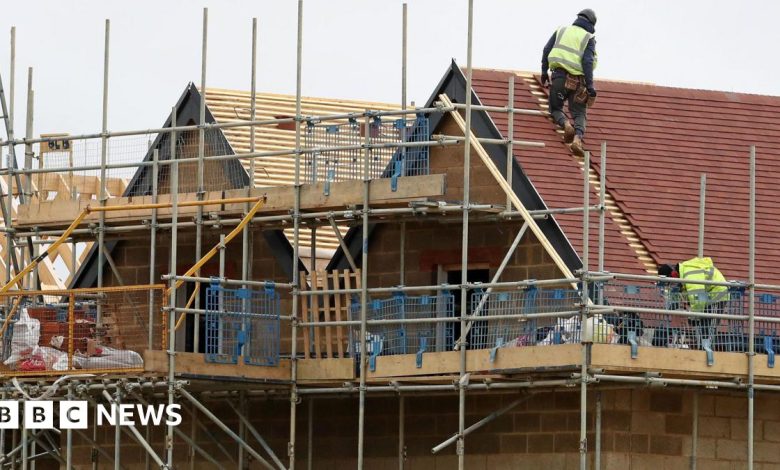
New Development in Broadland Scaled Back, Affordable Housing Reduced
The once-ambitious housing project by Berliet Ltd has taken a significant turn, with original plans for 725 properties now reduced to 550. More concerning for many local residents is the substantial reduction in affordable housing units, falling below the 33% threshold mandated by planning regulations. During Wednesday’s Broadland Council planning meeting, the developer justified this reduction by claiming it was no longer “financially viable” to maintain the original affordable housing commitment, despite the site being described as “standard” and “buildable” by critics.
Conservative Councillor Nigel Brennan expressed his profound disappointment regarding the affordable housing cutbacks. “I don’t really understand why affordability is an issue because a lot of it is very open, standard, buildable sites,” Brennan remarked during discussions, highlighting the disconnect between what developers claim is financially feasible and what many council members believe should be achievable on such straightforward development land. His comments reflect broader concerns about whether developers are genuinely unable to meet affordable housing targets or are simply prioritizing profit margins.
Despite the controversy surrounding the reduced affordable housing provision, the meeting took an unexpected turn when representatives from the parish council voiced their support for the development. Rather than opposing the scaled-back plans, parish officials urged Broadland councillors to approve the development, suggesting the community sees value in the project moving forward even with fewer affordable units. This local support likely played a significant role in the final decision, demonstrating the complex balancing act between housing needs, community wishes, and developer constraints.
The approval didn’t come easily or quickly. The decision follows two previous delays on the plans, indicating the controversial nature of the proposals and the careful consideration required by the planning committee. These postponements reflect the significant deliberation undertaken by council members weighing the benefits of new housing against the drawbacks of reduced affordability in an area where accessible housing options are already limited for many residents.
While the main development has now received approval, the journey isn’t complete for the entire project. The Langley South section of the development plan remains pending and will be presented to the committee at a future date. This phased approach to approval suggests that council members are proceeding cautiously, perhaps hoping to secure better terms for the remaining portion of the development or ensuring that community needs are better addressed in subsequent phases.
The situation in Broadland mirrors a nationwide tension between the pressing need for new housing, the financial calculations of developers, and the community’s need for affordable options. As housing shortages continue to affect communities across the country, local councils often find themselves caught between encouraging development and ensuring those developments serve all segments of the population. The Berliet Ltd case demonstrates how these competing priorities can result in compromises that, while moving housing projects forward, may not fully address the affordable housing crisis that many communities face.







Heya i am for the first time here. I found this board and I in finding It really helpful & it helped me out much. I’m hoping to present one thing back and help others such as you helped me.