The Unsung Hero: Lee Smith’s Extraordinary Acts of Compassion
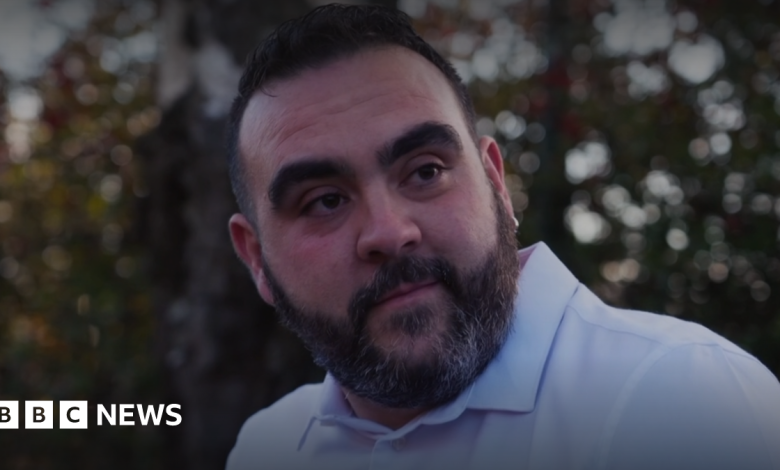
In the quiet corridors of a school where daily routines unfold without fanfare, Lee Smith works as a member of the site team, maintaining buildings and grounds. Yet his contribution extends far beyond his job description. Recently recognized as the gold winner of the unsung hero award by the Pearson National Teaching Awards, Smith’s story reveals how ordinary people can have extraordinary impact through simple acts of human kindness and intuition. His recognition didn’t come from following a strategic career path or seeking the spotlight, but rather from following his instincts and consistently choosing compassion when faced with opportunities to help others.
Perhaps the most dramatic example of Smith’s impact occurred when he sensed something wasn’t right with a colleague who hadn’t shown up for work. “I had a funny feeling in my stomach that something wasn’t right,” Smith recounted to BBC’s The One Show. Acting on this intuition, he made the decision to check on his colleague, ultimately kicking down the door and discovering the man unconscious in a diabetic coma upstairs. Medical professionals later confirmed that without Smith’s decisive action, his colleague “would have died.” When asked about this heroic intervention, Smith responded with characteristic humility: “I’d like to think we would all do it if we were called upon. We don’t do it for recognition, but it’s amazing.” This life-saving moment exemplifies Smith’s approach to his community—seeing needs, following instincts, and taking action without hesitation or expectation of reward.
Smith’s commitment to supporting his colleagues extends beyond emergency situations. When another staff member faced the life-altering prospect of amputation, Smith didn’t simply offer words of sympathy. Instead, he rolled up his sleeves and worked to adapt the colleague’s home to accommodate new physical limitations. Beyond the practical modifications, Smith went further by helping this colleague navigate the challenging transition back to work. This comprehensive support—addressing both the physical environment and the emotional journey of returning to normal life—demonstrates Smith’s intuitive understanding that true help often requires addressing multiple dimensions of a person’s needs. His approach recognizes the dignity in helping people maintain independence and normalcy despite challenging circumstances.
Within the school grounds, Smith’s creativity and resourcefulness have transformed the environment in ways that benefit the entire community. He repurposed an old trampoline into a polytunnel for an eco area, creating an educational space from materials that might otherwise have been discarded. Throughout the school, he has built numerous seating areas, creating spaces for conversation, reflection, and connection. When colleagues faced terminal illness, Smith crafted bird tables for them—simple gifts that bring moments of joy and nature’s company during difficult times. Perhaps most touchingly, he planted memorial trees for the school’s pregnancy loss group, creating living tributes that acknowledge grief and provide spaces for remembrance. These projects reveal Smith’s understanding that physical spaces can nurture emotional well-being and that creating beauty from cast-offs mirrors the human capacity for resilience.
Tom Hilton, assistant principal at the school, highlighted another dimension of Smith’s impact: “Lee has accommodated lots of vulnerable children working with him on the site team on various projects around the site, those who might not otherwise have found their place at school.” This observation speaks to Smith’s intuitive mentorship and his ability to create belonging through shared work. By involving students who struggle to fit into traditional classroom settings, Smith offers alternative pathways to engagement and self-worth. Through these collaborations, students develop practical skills while experiencing the satisfaction of contributing meaningfully to their school community. Smith’s approach recognizes that education takes many forms and that some of life’s most important lessons—about work, responsibility, creativity, and compassion—are often taught outside formal academic settings.
The recognition Smith received from the Pearson National Teaching Awards validates what his community already knew—that heroism often resides in everyday actions performed with extraordinary consistency and care. Though Smith insists, “We don’t do it for recognition,” the acknowledgment matters because it illuminates a path others might follow. His story reminds us that institutions function best when people extend themselves beyond formal roles and respond to human needs with practical kindness. From life-saving interventions to small environmental improvements, Smith’s contributions demonstrate how attention to both urgent crises and ongoing needs creates communities where people thrive. While his heroism manifested dramatically in breaking down a door to save a life, it also appears quietly in adapting homes, building bird tables, planting trees, and mentoring struggling students—all actions that reconstruct the world to be more accommodating, beautiful, and kind.