


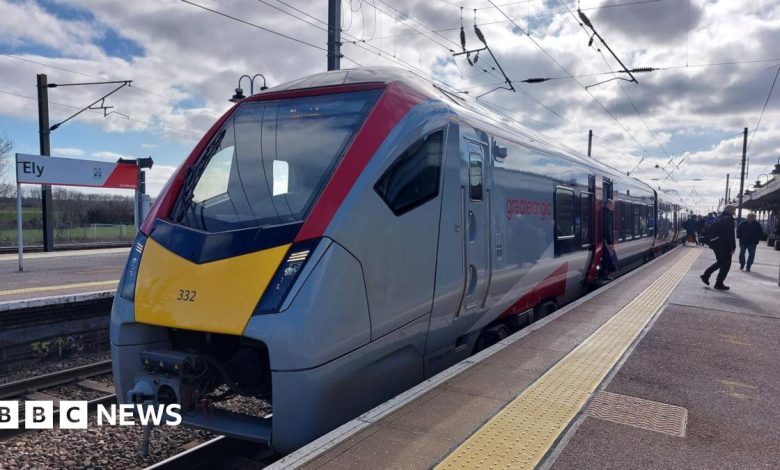
Enhancing Train Services Across the Network: Responding to Community Needs
Greater Anglia’s recent announcement marks a significant step forward in their commitment to improving train services throughout East Anglia. “We are always working to refine and improve services across our network in line with local feedback, aspirations, and emerging demand,” a spokesperson for the railway company explained. This customer-focused approach demonstrates how Greater Anglia is listening to the communities they serve. The introduction of modern trains has already yielded impressive results, with passenger numbers increasing significantly across the company’s regional routes. This positive trend indicates that investments in service quality are resonating with travelers and meeting their needs.
The upcoming timetable changes will particularly benefit residents of Stowmarket, who will enjoy more frequent train services throughout the week. The new half-hourly schedule will operate Monday through Saturday “for most of the day,” effectively doubling service frequency and providing greater flexibility for commuters, shoppers, and leisure travelers. This enhancement addresses long-standing requests from the Stowmarket community for better connections to major hubs and reflects Greater Anglia’s responsiveness to local transportation needs. With twice as many trains available, residents will have more options for planning their journeys and less waiting time between services.
Travelers between Ipswich and Cambridge will also see tangible improvements in their service options. The addition of extra morning and evening peak services on weekdays directly addresses the needs of commuters who rely on this route for work or education. These strategic enhancements target the busiest travel times when reliable transportation is most critical for passengers. By bolstering service during peak hours, Greater Anglia is helping to reduce overcrowding and provide a more comfortable journey experience while accommodating growing demand on this important regional connection.
Similar improvements are coming to the Norwich-Cambridge route, with additional morning and evening peak services on weekdays. This east-west connection is vital for connecting communities across East Anglia, supporting economic activity, and providing access to educational institutions. The enhanced schedule acknowledges the increasing importance of this corridor and responds to passenger feedback requesting more travel options. These added services will benefit students, professionals, and visitors traveling between these two significant regional centers, supporting stronger connections between Norfolk and Cambridgeshire.
The coastal community of Great Yarmouth will also benefit from these service enhancements. Greater Anglia is introducing additional morning and evening peak services between Norwich and Great Yarmouth on weekdays, recognizing the importance of this connection for coastal residents who commute to Norwich for work and education. This improvement supports local economic development by making it easier for people to access employment opportunities while continuing to live in coastal communities. The enhanced service also supports tourism to Great Yarmouth, providing more flexible options for day-trippers and holidaymakers traveling to this popular seaside destination.
These comprehensive service improvements across multiple routes represent Greater Anglia’s ongoing commitment to developing a regional transport network that truly serves local needs. By focusing enhancements on peak travel times and high-demand routes, the company is making efficient use of resources while maximizing benefits to passengers. The positive passenger response to their new trains has clearly encouraged further investment in service frequency. As these changes are implemented, communities across East Anglia will enjoy better connectivity, more convenient travel options, and a public transport system increasingly aligned with how people actually want to travel. This responsive approach to service development demonstrates how railway companies can effectively balance operational efficiency with meeting the evolving needs of the communities they serve.






**prodentim official website**
ProDentim is a distinctive oral-care formula that pairs targeted probiotics with plant-based ingredients to encourage strong teeth, comfortable gums, and reliably fresh breath
**herpafend reviews**
Herpafend is a natural wellness formula developed for individuals experiencing symptoms related to the herpes simplex virus. It is designed to help reduce the intensity and frequency of flare-ups while supporting the bodys immune defenses.
**boostaro reviews**
Boostaro is a purpose-built wellness formula created for men who want to strengthen vitality, confidence, and everyday performance.
I am really enjoying the theme/design of your blog. Do you ever run into any web browser compatibility issues? A few of my blog readers have complained about my blog not working correctly in Explorer but looks great in Opera. Do you have any recommendations to help fix this issue?
d4uau0
This is the right blog for anyone who wants to find out about this topic. You realize so much its almost hard to argue with you (not that I actually would want…HaHa). You definitely put a new spin on a topic thats been written about for years. Great stuff, just great!