Finding Inspiration in Creation Care: Church of England’s Environmental Conference
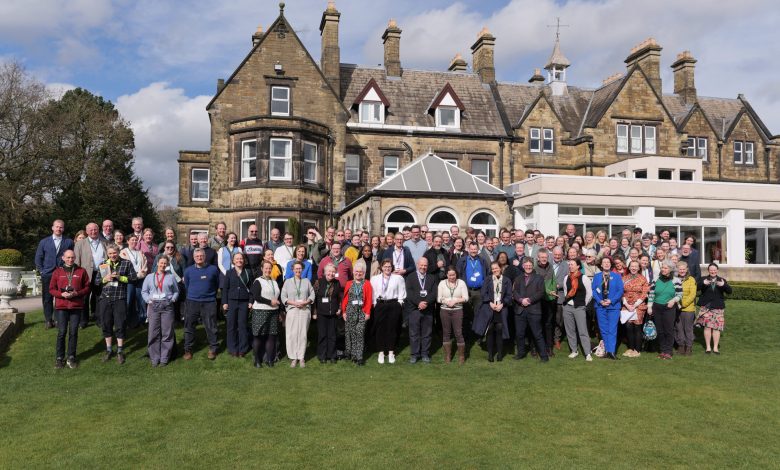
The Church of England recently held its annual Connect 2026 conference, bringing together environmental representatives from all 42 dioceses to strengthen their collective mission of caring for God’s creation. Held at The Hayes Christian conference centre, the gathering served as both a source of inspiration and practical support for Diocesan Environment Officers and Net Zero Carbon Officers who are leading the Church’s response to climate change. The two-day event fostered a spirit of collaboration and shared purpose, with participants expressing renewed energy for their important work ahead. This gathering reflects the Church’s growing commitment to environmental stewardship as a core expression of faith and mission in today’s world.
The conference featured a diverse program designed to broaden perspectives and deepen understanding of environmental challenges. Attendees had the opportunity to learn from ecumenical partners, including representatives from the Roman Catholic Church, Methodist Church, and the Salvation Army, who shared how their own denominations are addressing climate change. This cross-denominational approach highlighted the universal Christian calling to environmental stewardship while allowing for the exchange of effective strategies and insights. Beyond religious perspectives, the conference also examined broader national approaches to reducing carbon emissions, recognizing that the Church’s efforts exist within the wider context of the UK’s environmental commitments and challenges. This comprehensive view helped participants situate their work within both spiritual and societal frameworks.
Practical skill-building formed a central component of the conference, with workshops specifically designed to help attendees learn from each other’s experiences and develop effective communication strategies. Participants gained valuable tools for articulating the importance of environmental care within the Church’s broader mission, addressing a sometimes challenging topic in ways that resonate with congregations and communities. The conference organizers emphasized participant-led learning through “Open Space sessions” during the final afternoon, where delegates shaped their own agenda and focused on topics most relevant to their specific roles and diocesan contexts. This flexible approach ensured that the gathering addressed the real-world challenges and opportunities that environmental officers face in their diverse settings across England.
A significant highlight of the conference was a special video address from Archbishop Sarah Mullally, delivered on the eve of her Installation at Canterbury Cathedral. Her message affirmed the essential role of environmental leadership within the Church’s witness, stating: “Your leadership on environment and net zero carbon is a vital part of the Church’s witness today. In caring for God’s creation, you are helping the church live out its faith in practical, hopeful, and often challenging ways, offering a vision of responsibility and hope for the future.” This endorsement from the highest levels of Church leadership underscored the growing recognition that environmental stewardship is not peripheral but central to Christian faith and practice in the contemporary world, providing meaningful encouragement to those doing this vital work.
The conference succeeded in reinvigorating participants for their ongoing environmental ministry in parishes across England. Barbara Bryant, Environment Officer for the Diocese of Norwich, captured the sentiment of many when she reflected, “It’s always inspiring to connect with colleagues from across the country, sharing ideas and successes, and hearing from so many different voices.” This statement highlights the value of bringing together individuals who often work in relative isolation within their own dioceses, allowing them to form supportive relationships and share both challenges and effective practices. The gathering recognized that caring for creation is not merely about technical solutions to environmental problems, but also about nurturing the human connections and spiritual resources needed to sustain this work over time. Delegates returned to their home dioceses with not only new ideas and strategies but also with a strengthened sense of shared mission and mutual support.
A particularly moving element of the conference was the collaborative creation of a “Tree of Hope” installation, inspired by the biblical image from Revelation 22:2: “and the leaves of the tree are for the healing of the nations.” Throughout the two days, attendees contributed leaves bearing their hopes and prayers for creation, resulting in a visual symbol that flourished as the conference progressed. This creative expression embodied both the spiritual foundations and future aspirations of the Church’s environmental work, reminding participants that their efforts are ultimately grounded in hope and faith. The Tree of Hope served as a powerful metaphor for how individual actions, when brought together, can create something beautiful and meaningful—just as the collective efforts of parishes and dioceses across England can contribute to the healing of our common home. As delegates departed, this image remained as a testament to their shared commitment to nurturing God’s creation for generations to come.