


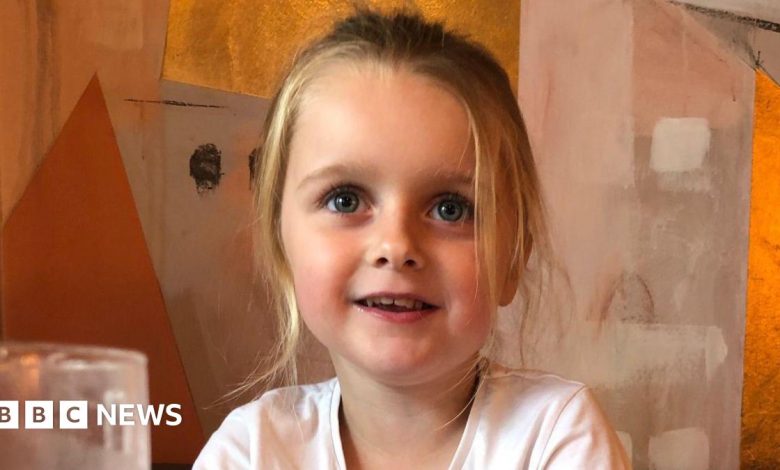
A Young Life Cut Short: Bonnie’s Story
In the days before her untimely death, Bonnie presented with what appeared to be ordinary childhood ailments—swollen eyes, loss of appetite, and symptoms resembling a common cold. Her school, exercising caution during the pandemic, recommended that Bonnie’s mother arrange for a COVID-19 test. In a tragic turn of events, that test would arrive on the same day that Bonnie’s life ended, never to be opened.
Two days before her passing, on December 16, Bonnie’s condition worsened significantly. After multiple episodes of vomiting and a fainting spell, an ambulance was called to rush her to the emergency department. The medical team at the hospital examined her and ultimately diagnosed her with an upper respiratory tract infection—a common condition typically associated with the ordinary cold virus. Despite the concerning symptoms that had prompted the emergency call, Bonnie was deemed well enough to return home with her family.
The following day, growing increasingly worried about his daughter’s deteriorating condition, Bonnie’s father Liam Marsh made the decision to bring her back to the Norfolk and Norwich University Hospital (NNUH). His concern was well-founded; he described his daughter as “very unresponsive,” a dramatic change from her usual vibrant self. During the inquest, Area Coroner Johanna Thompson heard testimony that Bonnie experienced multiple vomiting episodes while at the hospital, suggesting her condition was far from improving.
Despite these persistent and concerning symptoms, the medical assessment concluded with a diagnosis of gastroenteritis. The hospital staff observed that Bonnie had managed to eat something and drink fluids during her visit, which apparently factored into their decision to send her home once again. Dr. Mona Goda, who was completing her training as a general practitioner and who had treated Bonnie during both hospital visits, testified that based on her observations, there “wasn’t reason for any admission” that would have kept the young girl under medical supervision overnight.
What makes this case particularly heartbreaking is the rapid progression from what appeared to be routine childhood illnesses to a fatal outcome. The back-to-back hospital visits, each resulting in a different diagnosis—first an upper respiratory tract infection, then gastroenteritis—raise questions about whether subtle signs of a more serious underlying condition might have been overlooked. The fact that Bonnie’s father found her unresponsive enough to warrant a return to the hospital suggests a level of parental intuition that perhaps deserved more weight in the medical decision-making process.
This story serves as a poignant reminder of how quickly health situations can change, especially in children, and how difficult it can be to distinguish between common, self-limiting illnesses and more serious conditions, even for trained medical professionals. For Bonnie’s family, the pain is compounded by the lingering questions about whether different decisions might have led to a different outcome. As the coroner’s inquest continues, one can only hope that any lessons learned might help prevent similar tragedies in the future, ensuring that parental concerns are given appropriate consideration and that children with rapidly evolving symptoms receive the care they need.







gh7e8i