


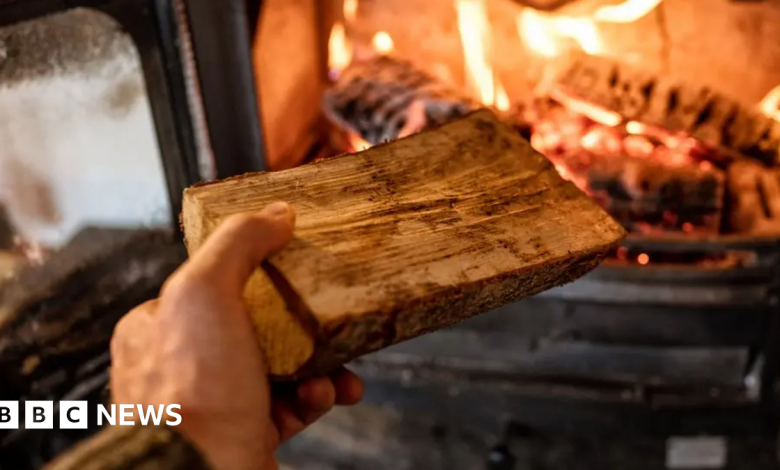
Norwich’s Proposed Smoke Control Expansion Won’t Ban Wood Burning
Norwich city councillors have unanimously supported proposals to reduce air pollution, including an extension of the city’s smoke control areas to cover the entire city. Despite what some might fear, this does not constitute an outright ban on wood burning in homes. The proposal aims to expand the existing smoke control zones, which currently only cover King Street, Bowthorpe, and the area around Norwich Airport, to encompass the whole of Norwich.
Within smoke control areas, residents can continue to use wood for heating, but with important stipulations. Modern wood-burning stoves that meet Defra’s current standards would still be permitted. Even those with older wood burners or traditional open fireplaces would not be completely prohibited from using them – they would simply need to switch to “smokeless” fuels such as anthracite coal. This approach follows the model adopted by other UK cities, including Oxford and Reading, which introduced city-wide smoke control areas at the end of 2024, while similar restrictions cover most of London.
The initiative is primarily focused on public health and awareness rather than punitive measures, though violations could potentially result in fines of up to £1,000. Hannah Hoechner, the Green councillor who proposed the expansion, emphasized that the goal is educational: “The idea of the smoke control area is to highlight the harmful effects of wood smoke.” She explained that the council wants to help residents “make better choices and understand the danger they’re putting themselves in and others, potentially.” This reflects growing concerns about the impact of wood smoke on both indoor and outdoor air quality.
The proposal comes amid increasing recognition of wood burning’s contribution to air pollution. While many homeowners view wood stoves as an environmentally friendly heating option, research has shown that they can emit significant quantities of fine particulate matter (PM2.5), which can penetrate deep into the lungs and bloodstream, causing or exacerbating respiratory and cardiovascular conditions. Even modern, “efficient” wood burners release considerably more particulates than gas boilers or electric heating. The council’s approach acknowledges this scientific evidence while balancing residents’ desire for traditional heating methods.
For Norwich residents, the practical implications would be relatively manageable. Those who have invested in Defra-approved “Ecodesign” stoves can continue using them without changes. Owners of older stoves would need to either upgrade to compliant models or switch to approved smokeless fuels, which typically produce less visible smoke and fewer harmful particles. The council is likely to provide a grace period for compliance, along with information resources to help residents understand their options, though specific details about implementation timelines have not yet been finalized.
The unanimous council vote suggests broad political support for addressing air quality concerns, though public reaction remains to be seen. Similar measures in other cities have sometimes faced resistance from residents concerned about rising heating costs or restrictions on traditional practices. However, proponents argue that the health benefits—particularly for vulnerable populations like children, the elderly, and those with existing respiratory conditions—justify these modest adjustments to how people heat their homes. As Norwich moves forward with this proposal, the balance between environmental protection, public health, and personal choice will continue to be negotiated through public engagement and education efforts.





46bv3r