Norwich Halls’ Reopening: A Tale of Restoration, Dispute, and Community Anticipation
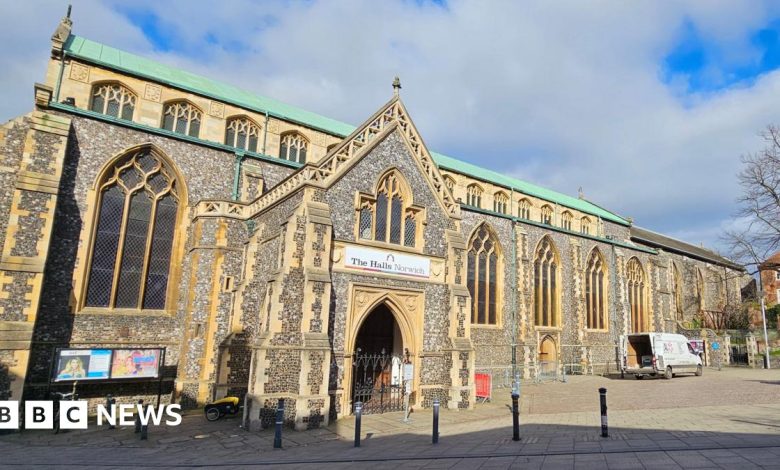
The historic Norwich Halls stands as a cultural cornerstone in the heart of the city, but its journey toward reopening has been anything but straightforward. Three years ago, the beloved venue faced potential closure when a report revealed a daunting £2.8 million requirement for essential repairs to its aging roofs and walls. This initial assessment proved to be just the beginning of a much larger financial commitment, as the total renovation costs eventually climbed by an additional £5 million. Fortunately, the project secured significant external support, with the government contributing £3.6 million and Arts Council England providing a further £500,000 to preserve this important cultural asset. Despite these financial boosts, the venue’s path to restoration has been marked by setbacks and challenges that have tested the patience of the Norwich community.
What began as a planned 12-month closure in January 2024 has stretched beyond its original timeline due to a series of delays that have complicated the renovation process. These technical and logistical challenges, while frustrating, pale in comparison to the organizational dispute that erupted alongside the physical repairs. A complex three-way disagreement between the Arts Centre, Norwich Theatres, and Norwich City Council created additional uncertainty around the venue’s future management. This administrative impasse added another layer of complexity to an already challenging renovation project and raised concerns among local residents and arts patrons about when—and how—the Halls would eventually reopen to the public.
The management disagreement was ultimately resolved when Norwich City Council stepped forward to take direct responsibility for the venue’s operations. In a positive development for the local community, the council recently announced that the team behind the Bicycle Shop—a beloved and long-established restaurant on St. Benedicts Street—would operate the venue’s bar once reopened. This decision brings together the venue’s cultural significance with the proven hospitality experience of a local business that already enjoys strong community support. The partnership represents a creative solution that bridges the worlds of performance art and local hospitality, potentially creating a more integrated experience for visitors when the Halls finally welcomes them back.
Despite progress toward reopening, questions about transparency and accountability continue to simmer beneath the surface. Green councillor Jenny Knight has publicly called for greater openness regarding the costs associated with the management dispute, stating, “I hope the council makes this information public soon for the sake of transparency.” Her comments reflect a broader desire among community members and stakeholders for clarity around how public resources have been allocated throughout this extended process. The financial implications of both the physical renovations and the administrative disagreements remain a matter of public interest, particularly given the significant investment of taxpayer money in preserving this cultural landmark.
In response to these calls for transparency, a council spokeswoman defended the institution’s handling of the situation, insisting that the council had “acted appropriately throughout and addressed the issues that emerged.” This statement attempts to reassure the public that despite the complications and delays, the council has maintained proper stewardship of the project and its associated resources. The spokeswoman pivoted from addressing specific concerns about cost transparency to emphasizing the council’s forward-looking approach: “Our focus has been on ensuring the smooth reopening of the Halls for residents, performers and audiences, and we look forward to welcoming organisations back to the venue this spring.” This response highlights the tension between accountability for past decisions and the desire to focus on the positive potential of the venue’s future.
As spring approaches, the Norwich community awaits the reopening of this cherished cultural space with mixed emotions—relief that the extensive renovations are nearing completion, excitement about experiencing performances in the refreshed venue, but also lingering questions about the process that brought them to this point. The story of Norwich Halls’ restoration represents more than just a building project; it embodies the complex interplay between preserving cultural heritage, managing public resources, navigating institutional relationships, and meeting community expectations. When the doors finally reopen, visitors will enter a space that carries not only its long history but also the recent chapter of its challenging journey back to public use. For many in Norwich, the restored Halls will symbolize both the value of persistence in preserving important cultural spaces and the ongoing need for transparency and accountability in public projects of this scale and significance.