


Rail Disruption in East Anglia: A Day of Unexpected Challenges
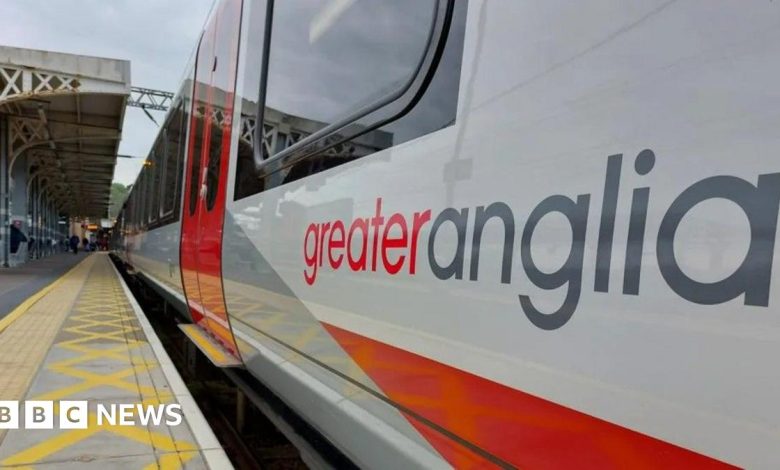
Rail passengers across East Anglia woke up to significant travel disruptions today, affecting key routes through Norfolk, Cambridgeshire, and Suffolk. The morning commute turned chaotic as two separate incidents created a perfect storm of cancellations and delays. Greater Anglia, the primary rail operator in the region, is scrambling to manage the situation while passengers adapt their travel plans accordingly.
The main Norwich to London Liverpool Street line, a crucial artery connecting East Anglia to the capital, came to a standstill after an engineering train broke down near Diss in Norfolk. The incident occurred during routine overnight maintenance work, but its timing couldn’t have been worse for morning commuters. The disabled engineering train effectively blocked the tracks, preventing regular passenger services from operating. This breakdown has particularly affected business travelers and commuters who rely on this direct connection to London, forcing many to seek alternative transportation options or delay their journeys altogether.
Compounding the travel woes, a separate incident in Cambridgeshire created additional disruption when a lorry became wedged under a railway bridge near Dullingham. This common but troublesome occurrence blocked the train line and temporarily halted services between Ipswich and Cambridge. Though crews responded quickly to assess the structural integrity of the bridge and clear the obstruction, the incident contributed to the wider travel chaos across the regional rail network. Local passengers found themselves stranded at stations or forced to navigate unfamiliar bus replacement services, adding stress to an already challenging travel day.
Greater Anglia’s response team has been working throughout the day to minimize disruption and provide alternatives for affected passengers. The company has communicated that they are actively arranging alternative travel options, including replacement bus services where possible. Station staff have been deployed to busy locations to assist passengers with information and rebooking options. However, the logistical challenge of simultaneously managing two separate incidents across their network has stretched resources thin, and some travelers have expressed frustration at communication gaps and lengthy waiting times for alternative transportation.
For residents across these three counties, the rail disruption represents more than just an inconvenience. Many workers face potential lost wages from late arrivals, students have missed important classes, and business meetings have been postponed. The economic impact extends to local businesses near affected stations, which lose foot traffic on disrupted travel days. Regular commuters familiar with the routes have expressed their concerns that aging infrastructure and increasingly frequent incidents are affecting the reliability of these vital regional connections, which serve as economic lifelines between rural communities and urban centers.
As engineers continue to address both incidents, Greater Anglia advises passengers to check service updates before traveling and allow extra time for their journeys. The company has assured customers that ticket restrictions have been lifted, allowing flexible travel on alternative routes where available. While normal service is expected to resume by evening, the ripple effects of the morning’s disruptions will likely continue throughout the day. This episode serves as a reminder of the vulnerability of regional transportation networks and the cascading impacts that isolated incidents can have on interconnected systems that thousands rely on daily.






9zr2i6