The Royal Maundy: A Centuries-Old Tradition of Service Recognition in Wales
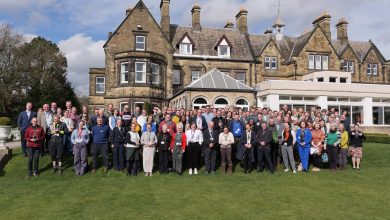
In a ceremony steeped in history and symbolism, King Charles and Queen Camilla will gather at St Asaph Cathedral in north Wales this Maundy Thursday to honor 154 individuals for their exemplary Christian service to their communities. This Royal Maundy service, dating back 800 years, carries profound significance as recipients receive specially-minted silver coins in recognition of their dedication and faith. The intimate ceremony, occurring in Wales for only the second time in its long history, highlights the connection between monarchy, faith, and community service that continues to resonate in modern Britain. The Bishop of Norwich, the Rt Revd Graham Usher, who serves as Lord High Almoner, has been diligently preparing to speak the opening words in Welsh, embracing the local culture and adding a personal touch to this ancient tradition.
The word “Maundy” itself derives from the Latin “mandatum,” meaning commandment, reflecting Jesus’s instruction to his disciples at the Last Supper: “I give to you a new commandment: Love one another. As I have loved you, so you are to love one another.” This connection to Christ’s teachings is central to the ceremony, as Bishop Graham explained in a BBC Radio Wales interview where he discussed the service’s deep spiritual meaning and its roots in Jesus washing his disciples’ feet. The tradition beautifully interweaves royal custom with Christian humility, creating a powerful moment of recognition for those who have devoted themselves to serving others. The service will later be featured on BBC1’s Songs of Praise on April 19, when Bishop Graham will speak with presenter Aled Jones about the ceremony’s significance.
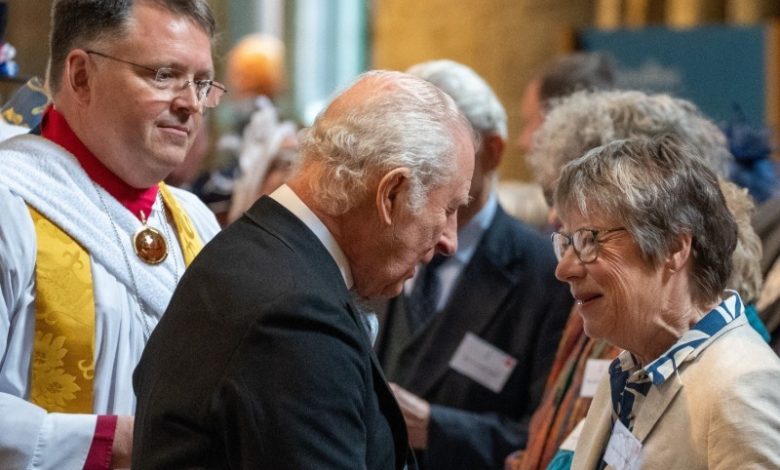
This year’s Royal Maundy service carries particular symbolic weight, as 77 men and 77 women have been selected to receive the Maundy money, with the number corresponding to King Charles’s age. Each recipient has demonstrated exceptional Christian service, often spanning decades of quiet dedication to their churches and communities. Bishop Usher expressed what an “enormous honor” it is to participate in “this deeply meaningful service where The King recognises the decades of Christian service and witness of each of the inspirational recipients.” These individuals represent the very essence of selfless service that lies at the heart of both Christian teaching and the monarchy’s commitment to recognizing those who strengthen the social fabric of the nation through their consistent care and dedication.
The ceremony’s traditions incorporate meaningful historical elements that connect past and present. Each recipient will receive two purses: one containing exactly 77 pence in specially-minted Maundy coins (matching the King’s age), and another holding commemorative coins celebrating 100 years since Queen Elizabeth II’s birth and 50 years of The King’s Trust. These gifts symbolically represent the food and clothing that were traditionally given to the poor during medieval Maundy ceremonies. This connection to history provides continuity between ancient practices of royal almsgiving and today’s recognition of community service, demonstrating how traditions can evolve while maintaining their essential purpose of honoring those who embody the spirit of Christian charity.
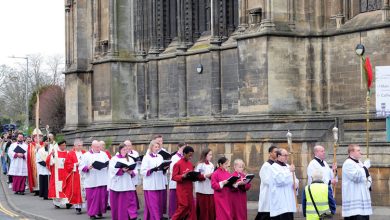
St Asaph Cathedral, the smallest medieval cathedral in the United Kingdom, provides a fitting setting for this intimate ceremony. Christians have worshipped at this site for nearly 1,500 years, though the current building dates back to the 14th century. The historic significance of the location aligns perfectly with the ancient tradition being observed within its walls. The April 2nd service will be led by the Cross of Wales – a special cross given to Welsh Christians by King Charles and previously used at his Coronation. The cross contains a fragment believed to be from Christ’s original cross, a gift from Pope Francis, further emphasizing the sacred nature of the occasion and the interconnection of royal tradition with Christian faith across denominational boundaries.
The Royal Maundy service exemplifies how ancient traditions can remain relevant in contemporary society when they celebrate universal values like service, compassion, and community spirit. By recognizing ordinary people who have demonstrated extraordinary commitment to helping others, the monarchy affirms the importance of these qualities in building a stronger society. As the ceremony unfolds in the historic St Asaph Cathedral, it will not only honor 154 deserving individuals but also remind all who witness it of the power of selfless service and the enduring bond between the monarchy and people united in their commitment to caring for others. In a world often focused on celebrity and material success, the Royal Maundy offers a refreshing counterpoint by celebrating those whose greatest achievements lie in their kindness, generosity, and dedication to improving the lives of those around them.