Bishop of Norwich backs campaign to secure World Heritage status for England’s globally rare chalk streams

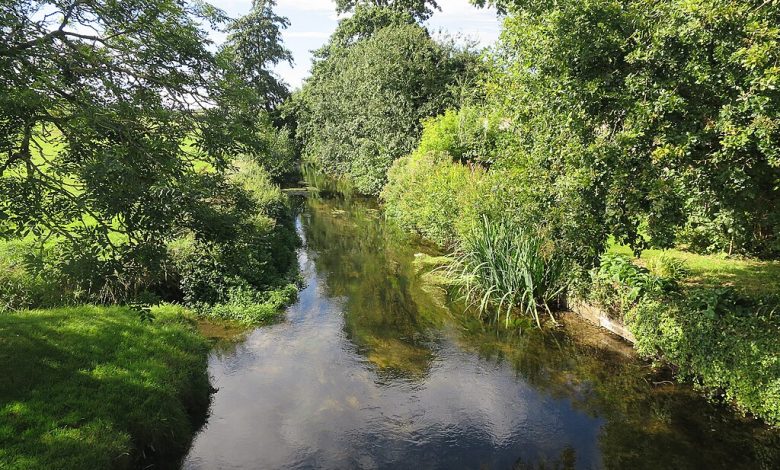
Britain’s Chalk Streams: A National Treasure Deserving Global Recognition
In a significant environmental initiative, the Bishop of Norwich has united with Members of Parliament and Peers in advocating for Britain’s chalk streams to be designated as UNESCO World Heritage sites. This coalition recognizes these waterways as among the most exceptional and ecologically crucial habitats on our planet, deserving of international protection and recognition. The campaign highlights that chalk streams are remarkably rare globally, with only about 200 known to exist worldwide. What makes this particularly relevant to Britain is that approximately 85 percent of these natural wonders flow through English soil, with a significant concentration in the Diocese of Norwich. These include picturesque waterways with evocative names like the Babingly, Glaven, Gadder, Ingol, Hun, Stiffkey, Tiffey, Wissey, and Wensum – names that echo through the country’s natural and cultural heritage, connecting present-day conservation efforts with centuries of rural English tradition.
The ecological significance of these chalk streams cannot be overstated. They support a greater diversity of plant species than any other river type in England, creating unique ecosystems that have developed over millennia. Their special character comes from being fed by underground aquifers, which provide mineral-rich, filtered water at consistent temperatures throughout the year. This creates perfect conditions for numerous threatened wildlife species that increasingly struggle to find suitable habitats elsewhere in Britain’s developed landscape. Among the vulnerable creatures that depend on healthy chalk streams are the increasingly rare water vole (often called “Britain’s most endangered mammal”), the native brown trout, the delicate southern damselfly, the threatened white-clawed crayfish (Britain’s only native crayfish species), and the iconic Atlantic salmon. These species form complex ecological networks that have evolved specifically around the unique conditions that chalk streams provide – networks that are increasingly fragile and at risk of collapse.
Despite their global importance and irreplaceable nature, the current state of most chalk streams is deeply concerning. Environmental advocates point to a troubling combination of threats: excessive water abstraction by utilities and agriculture that causes some streams to run completely dry during summer months; regular sewage discharges that introduce harmful bacteria, chemicals and microplastics; diffuse agricultural pollution including fertilizer and pesticide runoff; and the mounting pressures of climate change which further stress these delicate ecosystems. The legal protection currently afforded to these natural treasures is remarkably limited, with fewer than a dozen chalk streams benefiting from designation as Sites of Special Scientific Interest (SSSIs). This protection gap has allowed degradation to continue largely unchecked, despite growing public concern about water quality and environmental health. The proposed UNESCO World Heritage status would represent a step-change in how these waterways are valued, protected, and managed, potentially reversing decades of decline.
The Bishop of Norwich, the Right Reverend Graham Usher, has become a passionate champion for these waterways, formally backing the Chalk Streams (UNESCO Natural World Heritage Site) Bill introduced to Parliament in February. His involvement reflects a growing recognition within faith communities of environmental stewardship as a moral and spiritual obligation. Bishop Graham has articulated this connection powerfully, stating: “Christians are called to advocate for God’s creation. In our nature-impoverished land, this means protecting our heritage of natural wonders, including precious chalk streams.” He has also highlighted what he sees as a disconnect in public consciousness, noting that “People are rightly horrified by the destruction of rainforests thousands of miles away – but sometimes seem less concerned about collapsing ecosystems almost literally on our doorstep.” This perspective challenges communities to recognize that environmental protection isn’t just about distant wilderness, but also about the natural heritage within walking distance of many English homes.
The campaign for chalk stream protection extends beyond UNESCO recognition to include practical policy changes that would strengthen their legal standing and fund their restoration. Campaigners are pressing the Government to revise the National Planning Policy Framework to list chalk streams alongside ancient woodland as irreplaceable habitats, which would give them significant protection from development pressures. Additionally, they propose that financial penalties imposed on water companies for pollution incidents should be reinvested into a dedicated fund for chalk stream restoration, creating a mechanism where those who damage these ecosystems directly contribute to their recovery. These practical measures would complement the international recognition that UNESCO status would bring, creating a comprehensive approach to chalk stream conservation that operates at both global and local levels, addressing both the symbolic value of these waterways and the practical challenges they face.
The political journey toward better protection for chalk streams has already seen both progress and setbacks. In October, the Bishop of Norwich successfully introduced an amendment to the Planning and Infrastructure Bill aimed specifically at protecting rare chalk streams, which passed in the House of Lords by a significant margin of 196 votes to 137. However, this amendment subsequently failed to gain approval in the House of Commons, highlighting the ongoing challenges in translating environmental concerns into binding legislation. Nevertheless, the campaign did secure some concessions from the Government, with promises of protective measures to be included in future legislation. This political back-and-forth reflects the broader tensions between environmental protection and development priorities that characterize much of contemporary British politics, but also demonstrates that chalk stream conservation has gained enough momentum to influence the legislative agenda, even if complete success remains elusive. As this campaign continues, it represents an important test case for how Britain values its unique natural heritage in a time of increasing environmental awareness and concern.