


A Sacred Moment of Healing and Hope: The Annual Mass of Our Lady of Lourdes
In the gentle embrace of hushed reverence, the cathedral welcomed those seeking solace and spiritual renewal at the annual celebration of Our Lady of Lourdes. This cherished tradition, born from the miraculous apparitions to Saint Bernadette, continues to draw the faithful—particularly those burdened by illness or advancing years—into a space where heaven seems to touch earth. As the congregation settled into the pews, there was a palpable sense of expectation, a collective yearning for the comfort promised through this sacred gathering. The cathedral itself seemed to breathe with the prayers of those assembled, each person carrying their own story of struggle and hope. For many, this was more than a liturgical obligation; it was a pilgrimage of the heart, a journey toward healing undertaken in community. The soft light filtering through stained glass windows cast colorful patterns across faces marked by life’s challenges, yet illuminated by faith’s enduring flame. In this atmosphere of gentle anticipation, the ancient rituals of the Church prepared to unfold, offering a timeless refuge for contemporary suffering.
The celebration found its first scriptural anchor in Isaiah’s tender prophecy, where Jerusalem is portrayed as a mother tenderly comforting her children. “As a mother comforts her child, so will I comfort you,” the prophet declared, words that resonated deeply throughout the sanctuary. This maternal image of divine care seemed especially fitting for a Mass honoring Our Lady of Lourdes, whose maternal intercession has been sought by millions of pilgrims since 1858. For those present—many navigating the uncertainties of illness or the limitations of aging—Isaiah’s promise of God’s intimate consolation offered profound reassurance. The reading painted a portrait of a God who does not remain distant from human suffering but draws near with a parent’s tender concern. This message of compassionate presence echoed through the cathedral, reminding all that their struggles were held within a larger embrace of divine love. The prophet’s ancient words bridged centuries to speak directly to modern hearts, assuring the faithful that even in their most vulnerable moments, they were not forgotten but rather cherished with particular attention by a God who understands the language of human fragility.
The liturgy then turned to John’s Gospel account of the wedding feast at Cana, where Mary’s attentive intercession precipitates Christ’s first public miracle. This narrative perfectly complemented the day’s celebration, illuminating Our Lady’s continuing role in the spiritual lives of believers. Just as Mary noticed the wedding hosts’ embarrassing shortage of wine before anyone else, she continues to recognize her children’s needs, bringing them with quiet confidence to her Son. The transformation of water into wine served as a powerful metaphor for those seeking healing—a reminder that Christ specializes in transforming our moments of emptiness into abundance, our suffering into occasions of unexpected grace. This Gospel passage, familiar yet ever-fresh, invited the congregation to approach their own challenges with renewed hope. It suggested that even situations that seem beyond remedy remain within the reach of divine intervention, particularly when entrusted to Mary’s watchful care. As the words of Scripture settled over the assembly, they created a foundation of trust upon which the sacramental actions to follow would build.
Following the homily’s words of encouragement and reflection, the Cathedral’s atmosphere grew even more solemn as the central ritual of the day approached—the Anointing of the Sick. Vessels of blessed oil were presented before Bishop Peter, who offered the prayer of thanksgiving over them, invoking God’s healing presence to flow through this sacramental material. This moment represented the beautiful integration of material and spiritual reality that characterizes Catholic sacramental life—ordinary olive oil becoming a vehicle of extraordinary grace. The Bishop’s prayer acknowledged both the physical and spiritual dimensions of human suffering, recognizing that authentic healing addresses the whole person. There was a profound theology embodied in this simple action: the Church, following Christ’s example, does not merely offer words of comfort but extends tangible signs of God’s healing presence. The sweet fragrance of the oil seemed to symbolize the “aroma of Christ” that the faithful are called to be in a wounded world. As the prayer concluded, a sacred silence fell over the gathering, as hearts prepared to receive this ancient sign of healing that has comforted the sick throughout Christian history.
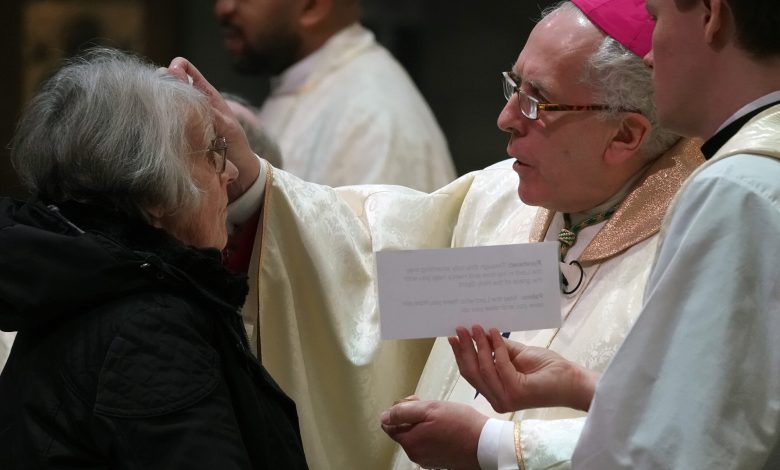
In one of the liturgy’s most moving sequences, those seeking the sacrament formed a procession, approaching Bishop Peter and assisting priests to receive the blessed anointing. Each person represented a unique story of suffering, resilience and faith. Some came with visible disabilities, others with invisible burdens; some were assisted by caregivers, while others walked slowly under their own power. As the sacred oil was applied to foreheads and hands with the traditional prayer for healing, many eyes filled with tears—not necessarily of sorrow, but of being deeply touched by this intimate encounter with Christ through his Church. The congregation witnessed this powerful testament to vulnerability embraced with dignity and faith. The Cathedral became a sanctuary in the truest sense—a safe harbor where weakness could be acknowledged without shame, where human fragility met divine strength. In these moments of individual blessing, the Church’s commitment to those suffering was made visibly manifest. Far from empty ritual, this anointing represented the community’s deepest conviction that every person, regardless of health status or ability, possesses inherent dignity and remains precious in God’s sight.
This annual celebration stands as a powerful counter-witness to a culture that often marginalizes the sick and elderly. In honoring Our Lady of Lourdes, whose shrine has become synonymous with healing and hope, the diocese affirms that illness and aging, while challenging, need not be faced in isolation. The Mass creates a sacred space where suffering is neither ignored nor glorified, but rather integrated into the community’s spiritual journey and placed within the broader context of Christ’s redemptive suffering. As the liturgy concluded and the congregation prepared to depart, there was a tangible sense of communion—not just among those physically present, but with countless others who have made similar pilgrimages of hope throughout the centuries. Many left with a renewed sense of peace, carrying with them not necessarily miraculous physical cures, but the equally valuable gifts of spiritual strength, community support, and the profound assurance that their suffering has meaning. In the gentle aftermath of this sacred gathering, the faithful moved back into their daily lives transformed—not by the removal of all challenges, but by the grace to bear them with newfound dignity, purpose and hope. Through this beautiful annual tradition, the Church continues to embody Christ’s own tender concern for those who suffer, offering a healing that transcends the merely physical to touch the deepest needs of the human spirit.







nty4qw
e25ly8