Finding Treasure in Life’s Scars: Kintsugi Hope Wellbeing Group Coming to Cromer
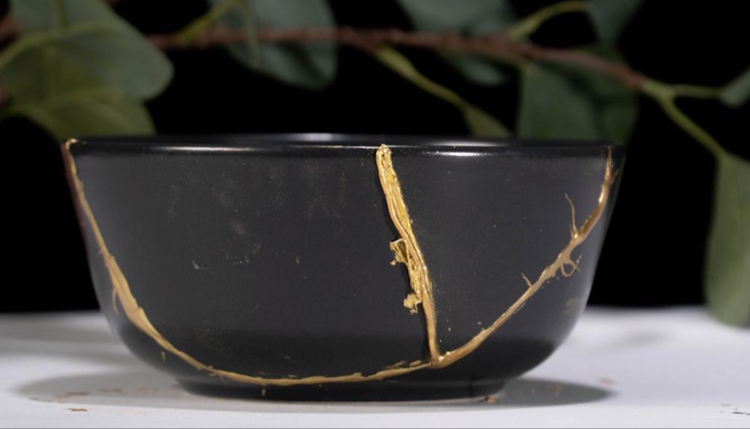
In an age where mental health challenges touch so many lives, a powerful new opportunity for healing is coming to Cromer in early 2026. The Kintsugi Hope Wellbeing Group will offer women a safe, supportive space to explore emotional wellbeing through a beautiful metaphor: the Japanese art of Kintsugi. This traditional practice takes broken pottery and repairs it with gold, transforming damage into something even more precious than before. Similarly, the wellbeing group aims to help women discover how their struggles and painful experiences can become sources of strength and beauty when approached with care and community support.
Starting January 6, 2026, the twelve-week journey will tackle themes that resonate with many women’s experiences: anxiety that paralyzes, shame that isolates, loss that devastates, and the challenge of building healthy relationships. Meeting Tuesdays from 11am to 1pm in the Parish Church Lounge at Cromer Church, participants will gather in a judgment-free environment where authentic conversation is encouraged. The group organizers emphasize a sobering reality driving their work: one in four adult women currently lives with a common mental health problem. This statistic reveals not just a health crisis but a human one, where too many women suffer silently behind brave faces and busy schedules.
“Life can leave us feeling cracked or broken,” share the organizers, whose approach acknowledges that emotional wounds deserve the same attention and care as physical ones. The Kintsugi metaphor offers a profound reframing of how we view our difficulties—not as failures or permanent damage, but as unique parts of our story that can be integrated with compassion. Unlike approaches that encourage people to hide their struggles or “just move on,” Kintsugi celebrates visible repair and honors the journey of healing. The wellbeing group creates a rare space where women don’t need to pretend they’re fine or minimize their challenges, but can instead acknowledge their true experiences among others who understand.
The group’s structure provides a gentle yet purposeful progression toward greater emotional health and resilience. Each session builds on the previous one, creating a cumulative effect that helps participants develop new perspectives and practical tools for navigating life’s challenges. Refreshments will be provided at each meeting, recognizing that sharing food and informal conversation often creates the relaxed atmosphere where meaningful connections begin. The group setting itself offers powerful benefits beyond the curriculum—many past participants of similar groups report that simply knowing they’re not alone in their struggles brings significant relief and new hope.
Perhaps most remarkable about this opportunity is that it’s being offered completely free of charge to women aged 18 and over. In a world where quality mental health support often comes with prohibitive costs, this accessible approach removes a significant barrier for many who might benefit. The group organizers understand that emotional wellbeing shouldn’t be a luxury available only to those who can afford it, but rather a community responsibility and opportunity. The absence of fees reflects a deep commitment to serving women from all walks of life and economic circumstances in the Cromer area.
While the group is open to all women over 18, interested participants should note that spaces are limited to ensure the kind of intimate, supportive atmosphere where meaningful sharing can take place. Anyone interested in joining this journey of discovery and healing is encouraged to contact the Cromer Church Office at [email protected] or by phone at 07777 164738. The limited group size means early registration is recommended for those who feel drawn to this unique opportunity to transform life’s painful experiences into sources of unexpected strength and beauty. As the ancient Kintsugi masters understood centuries ago, what’s been broken can become more precious, more interesting, and more resilient than what has never known damage—a powerful truth about pottery, and about people too.