Buzzing with Purpose: How Beekeeping is Building Community in Gorleston
In the heart of Gorleston, an innovative partnership between St Mary Magdalene Church and local organization Project Apis CIC has blossomed into something quite extraordinary. This collaboration has introduced beekeeping as a means to address multiple community needs simultaneously—food security, mental wellbeing, environmental stewardship, and social connection. The project exemplifies how traditional institutions like churches can evolve to meet contemporary challenges while bringing diverse community members together around a shared purpose. What began as a modest environmental initiative has developed into a powerful vehicle for community transformation, demonstrating how seemingly small projects can have outsized impacts on both individuals and communities when they connect with deeper human needs for purpose, connection, and belonging.
The project’s origins reflect a thoughtful approach to community engagement. Jamie McBride, the driving force behind Project Apis CIC, established the organization with an inclusive vision: “We work with churches and communities to create small shared apiaries that support biodiversity, well-being, and connection with nature. Project Apis CIC was set up to make beekeeping accessible to everyone, especially in places where people might not otherwise get the chance to connect with the natural world.” This mission resonated deeply with Revd Matthew Price and the congregation at St Mary Magdalene, who recognized that their church grounds could become more than just a spiritual gathering place—they could become a living classroom and healing space through the introduction of beehives. The partnership demonstrates how combining a church’s community reach with specialized environmental expertise can create innovative programs that transcend traditional boundaries between secular and religious spaces.
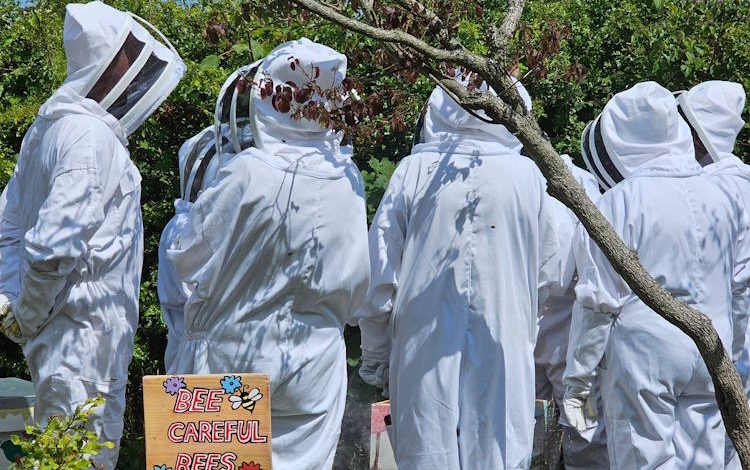
The response to the initial training sessions revealed the project’s broad appeal, drawing participants from well beyond the church’s regular congregation. “We had 20 people in the initial training, with only five from the church—the rest joined us from the wider local community,” Revd Price explains. This diversity of participation highlights how activities centered around nature and sustainability can create neutral ground where people from different backgrounds and beliefs can come together. The project has even led to deeper engagement with the church for some participants, with Revd Price noting that one individual has “already becoming a member of our church family and moving towards confirmation.” This organic pathway to spiritual community demonstrates how practical, hands-on projects can sometimes provide more accessible entry points to faith communities than traditional religious programming alone, particularly for those who might otherwise feel disconnected from organized religion.
The mental health benefits of the beekeeping initiative have emerged as one of its most significant outcomes. Participants experiencing mental health challenges have reported noticeable improvements in their wellbeing through their involvement. As Revd Price describes, “The nature-connection factor was really good for people’s wellbeing; some were experiencing mental health issues and noticed a marked improvement as they engaged with the project outdoors. A sense of purpose, coupled with being outside, learning alongside others created a wonderful context to share the joy of being a part of God’s great creation.” This observation aligns with growing research supporting the therapeutic effects of both nature connection and purposeful community activities. The beekeeping project combines multiple elements known to support mental wellbeing: time outdoors, learning new skills, social connection, purpose-driven activity, and contributing to something larger than oneself. In a time of increasing mental health concerns, particularly following the isolation of recent years, such community-based approaches to wellbeing represent valuable complements to traditional mental health services.
The financial aspects of establishing community apiaries have been carefully considered to ensure accessibility. “A typical community or church apiary involves an initial setup cost covering hives, bees, protective equipment, tools, and training,” McBride explains. “Depending on scale, this isn’t usually prohibitive, with ongoing costs kept relatively low once established.” Project Apis demonstrates practical awareness of resource constraints by actively supporting communities in accessing external funding, including grants and local sponsorship opportunities. This approach ensures that financial limitations don’t become barriers to participation, making beekeeping accessible across diverse socioeconomic contexts. The model represents a sustainable approach to community programming that considers long-term viability alongside immediate impact, with the potential for honey production eventually offsetting some costs while providing a tangible product that can further engage the community through harvesting, processing, and distribution activities.
Looking toward the future, both Jamie McBride and Revd Matthew Price express enthusiasm about the project’s expansion potential and continued community impact. McBride envisions growth “across church communities in a simple, supportive way,” noting that “churches are natural community hubs, and apiaries can offer a shared, practical project that supports wellbeing, learning, and care for the environment.” The St Mary Magdalene beekeeping initiative serves as an inspiring model for how communities can reimagine their shared spaces and resources to address contemporary challenges through collaborative action. Beyond the immediate benefits for participants, the project contributes to broader environmental goals by supporting pollinator populations while simultaneously creating opportunities for education about biodiversity and ecological relationships. Through this holistic approach—addressing spiritual, social, psychological, and environmental needs simultaneously—the Gorleston beekeeping project demonstrates how community initiatives can achieve multiple objectives through thoughtfully designed programming that connects people with each other, with nature, and with a sense of greater purpose. Those interested in exploring similar initiatives are encouraged to connect with Jamie at Project Apis or Revd Price to learn more about implementing such programs in their own communities.