


‘Landmark’ Debenhams loved in the 90s is being DEMOLISHED after standing empty for over 4 years

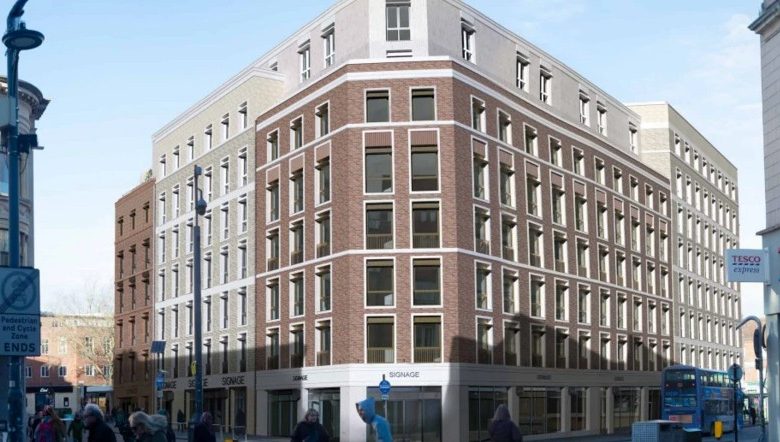
Former Debenhams Store in Norwich to Make Way for Student Housing
Norwich’s city center is poised for a significant transformation as plans move forward to demolish the former Debenhams department store and replace it with a modern student accommodation complex. The five-story building, which has stood vacant since Debenhams collapsed in 2021, will soon give way to an eight-story development featuring 377 student rooms and ground-floor retail spaces. This project represents not just a physical change to Norwich’s urban landscape, but also reflects broader shifts in how city centers are adapting to changing commercial realities in the post-pandemic era. The former department store, once a bustling hub of retail activity, has become what Deputy Council Leader Carli Harper described as an “eyesore” in its abandoned state—a visual reminder of the challenges facing traditional brick-and-mortar retail in today’s economy.
The journey toward redevelopment hasn’t been without controversy, highlighting the tensions between preservation and progress that many cities face. Developer Orford House Developments Limited (ODHL) has already made significant concessions to their original vision, reducing the planned height from ten stories to eight following objections from local campaigners nearly two years ago. Despite these modifications, the project continues to face resistance from heritage conservation groups. Save Britain’s Heritage has been particularly vocal, describing the existing 1950s structure as “handsome” and warning that its demolition “would cause substantial harm” to Norwich’s conservation area. The organization’s stance reflects a broader concern about preserving mid-century architecture, which is increasingly recognized for its historical value despite sometimes being overlooked in heritage discussions.
Environmental considerations have emerged as another significant point of contention in the debate surrounding the redevelopment. Green councillor Martin Schmierer has raised concerns about the carbon footprint associated with demolishing the existing structure and constructing an entirely new building—a perspective that aligns with growing awareness of embodied carbon in construction projects. This environmental critique represents a challenge faced by many urban redevelopment initiatives: balancing the immediate need for functional, economically viable spaces against longer-term sustainability goals. The developers have acknowledged these concerns, with a spokesman for Lanpro, their agents, noting that the extended planning process has been largely due to addressing environmental considerations. This dialogue illustrates how environmental impact has become a central consideration in urban planning, reflecting changing priorities in how we shape our cities.
Questions about the need for additional student housing have also been raised, with some critics suggesting that Norwich’s market for student accommodation may already be saturated. This concern points to broader debates about how cities should balance different types of development to create healthy, diverse urban environments. However, Deputy Council Leader Harper has indicated that the city’s new rules on student accommodation have taken the Debenhams proposal into account, suggesting that local authorities see this project as fitting within their overall vision for Norwich’s development. The controversy highlights the challenges municipalities face when determining the appropriate mix of residential, commercial, and educational facilities in limited urban spaces—decisions that ultimately shape not just the physical character of a city but also its social and economic dynamics.
For ODHL and their agents, the redevelopment represents an opportunity to breathe new life into a site that has fallen into disuse. Their spokesman described their objective as transforming “a dilapidated, outdated, and obsolete building into a thriving student accommodation hub with vibrant retail units at ground floor level.” This perspective frames the project not as a loss of heritage but as a practical solution to urban decay and changing commercial needs. The inclusion of ground-floor retail spaces in the design suggests an attempt to maintain some continuity with the site’s commercial history while adapting to new economic realities. With Norwich City Council expected to approve the amended application in early 2025, the development appears to be moving forward despite the various objections raised, indicating that local authorities see the benefits of redevelopment outweighing the concerns of preservationists and environmental activists.
The transformation of this former Debenhams store reflects a pattern repeating across the United Kingdom and beyond, as cities grapple with the aftermath of retail closures accelerated by changing consumer habits and the COVID-19 pandemic. Department stores, once the anchors of high streets and city centers, have increasingly struggled to remain viable in an era of online shopping and changing consumer preferences. Their large, centrally located buildings present both challenges and opportunities for urban planners and developers. The Norwich project exemplifies one approach to repurposing these spaces: converting them to residential use, particularly for specific demographics like students who benefit from central locations with easy access to universities and urban amenities. Whether this trend represents a positive evolution for Britain’s high streets or a concerning loss of commercial diversity remains a matter of debate, but it undoubtedly signals that the character of urban centers continues to evolve in response to changing social and economic conditions.






I respect your piece of work, thankyou for all the interesting content.
It?¦s actually a great and useful piece of information. I?¦m happy that you just shared this useful information with us. Please stay us informed like this. Thank you for sharing.