Tragic Discovery in Norfolk: Elderly Woman’s Body Found in River Yare
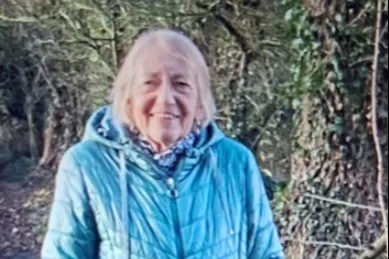
In a sorrowful conclusion to a missing person case, emergency services have recovered the body of a woman from the River Yare in Cringleford, Norfolk. Though formal identification is pending, authorities believe it may be 79-year-old Jill Grint, who had been reported missing since yesterday morning. Members of the public made the discovery earlier today, promptly alerting authorities to the somber find. The river location where the body was found is situated near Ms. Grint’s residence, adding to the likelihood that the search for the elderly woman has come to a tragic end. Norfolk Constabulary has informed Ms. Grint’s family of the discovery, though they await official confirmation of the deceased’s identity. Police have indicated that the death is not considered suspicious, and a file is being prepared for the coroner’s office.
The search for Jill Grint began after she was last seen near her home in Earlham, Norwich, at approximately 10:30 AM the previous day. CCTV footage captured her wearing a blue coat, navy trousers, navy trainers, and carrying what appeared to be a yellow bag. The footage also showed that Ms. Grint was using her walking stick at the time of her disappearance, suggesting potential mobility limitations that might have contributed to the unfortunate outcome. The elderly woman’s absence triggered immediate concern among local residents and authorities alike, leading to a comprehensive search operation throughout the surrounding area. Prior to the discovery, police had deployed significant resources in their effort to locate Ms. Grint, including police dogs, a drone team, and even a helicopter, underscoring the urgency and seriousness with which her disappearance was treated.
This heartbreaking incident highlights the vulnerabilities faced by elderly individuals living independently in our communities. At 79 years of age and requiring a walking stick for mobility, Ms. Grint represented a demographic that often faces increased risks when venturing out alone. Her disappearance and the subsequent discovery raise important questions about community support systems for aging residents and the safety measures in place to protect them. The proximity of the River Yare to residential areas in Cringleford presents natural hazards that, combined with potential physical limitations or disorientation, can lead to tragic accidents. Such cases remind us of the importance of checking in on elderly neighbors and family members, especially those living alone or with reduced mobility.
The community response to Ms. Grint’s disappearance demonstrates the compassion that often emerges in times of crisis. From the deployment of official search teams to the vigilance of local residents who ultimately discovered the body, the collective effort to find Ms. Grint reflects a society that cares for its vulnerable members. However, the tragic outcome also forces us to confront the limitations of even the most dedicated search operations. Despite the rapid mobilization of resources, including advanced technology like drones and helicopters, the search ended with the most devastating news possible for the family. This reality underscores the critical importance of preventative measures and support systems that might help avoid such situations in the first place, particularly for those with health concerns or cognitive impairments that might increase their risk of accidents.
For the family of Jill Grint, the coming days will bring the difficult process of formal identification and coming to terms with their loss. The police statement that “the death is not believed to be suspicious” may offer some small comfort that Ms. Grint was not the victim of foul play, but it does little to ease the pain of losing a loved one in such circumstances. The preparation of a file for the coroner indicates that a thorough investigation into the cause of death will follow, potentially providing the family with more information about Ms. Grint’s final hours. Communities often struggle with how to respond appropriately to such tragedies – balancing respect for a grieving family’s privacy with the natural desire to offer support and condolences. In small communities like Cringleford, the impact of such losses is felt collectively, as residents grapple with both the loss of a neighbor and the reminder of human fragility.
This incident, while deeply personal for those directly affected, also serves as a sobering reminder of broader societal challenges related to aging populations. As demographics shift toward increasingly older communities, particularly in rural and suburban areas like Norfolk, the infrastructure and support systems for elderly residents become ever more crucial. From adequate healthcare and transportation options to community alert systems for missing vulnerable adults, the mechanisms we put in place today will determine how effectively we protect our aging population tomorrow. The tragic circumstances of Jill Grint’s disappearance and discovery invite reflection on how we might better serve and safeguard elderly community members – ensuring that they can maintain their independence while remaining connected to support networks that can intervene quickly when concerns arise. While nothing can undo the heartbreak faced by Ms. Grint’s loved ones, perhaps their loss might eventually contribute to community conversations and initiatives that prevent similar tragedies in the future.