Bishop of Norwich will be 2026 Royal Norfolk Show president and announces theme and charities

Bishop of Norwich Named President of Royal Norfolk Agricultural Association
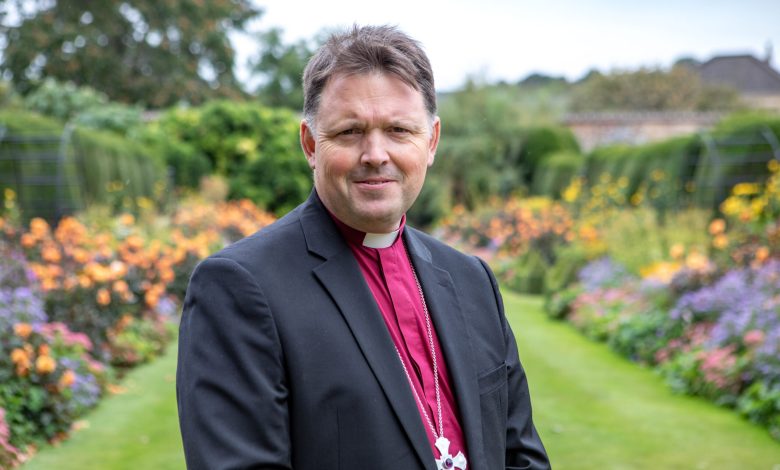
In a significant appointment for Norfolk’s agricultural community, the Right Reverend Graham Usher, Bishop of Norwich, has been named President of the Royal Norfolk Agricultural Association (RNAA) for 2026. The announcement came during the RNAA’s Annual General Meeting on April 23rd, marking the beginning of Bishop Graham’s journey with one of England’s most prestigious agricultural organizations. The Royal Norfolk Show, which draws over 80,000 visitors annually and showcases more than 700 trade stands and 3,000 animals across its two-day event, represents the pinnacle of Norfolk’s farming heritage and rural culture.
Bishop Graham expressed both surprise and honor at his appointment, acknowledging his relatively recent arrival to Norfolk in 2019. “It was a great surprise to be asked to be this year’s President of the Royal Norfolk Show,” he shared. “It is a huge honor and I hope that I can fulfill the role to the very best of my ability.” His humility shines through as he recognizes his newcomer status, adding, “I am conscious that I am very much a newcomer with plenty still to learn.” This self-awareness suggests a leader eager to engage deeply with the agricultural community he now represents, bringing fresh perspective while honoring long-standing traditions.
For his presidential theme, Bishop Graham has chosen “thriving rural communities,” highlighting the interconnected elements that create vibrant village life. He eloquently describes how diverse demographics support thriving schools, how technological infrastructure enables business growth, and how transportation links enhance mobility. “When there is access to shops and GP surgeries and leisure facilities then wellbeing tends to get better,” he notes, emphasizing the holistic nature of community health. Perhaps most poignantly, he observes how community gathering places—churches, village halls, pubs—create spaces where “people can meet and chat, celebrate and share, and those who are struggling can be supported, isolation is reduced, and a common sense of purpose is fostered.” His vision encompasses both the practical and spiritual dimensions of rural life.
The challenges facing Norfolk’s rural communities are substantial, and Bishop Graham addresses them with candor. The proliferation of second homes has priced many young families out of the housing market, while declining birth rates threaten small rural schools. “I grieve the closure of some of our church schools,” he confesses, revealing his personal investment in these community anchors. He laments the loss of hundreds of pubs and village shops—once reliable community hubs—and acknowledges the struggle many churches face in finding leadership. These historic buildings, which he beautifully describes as “treasure troves of architecture, history and faithfulness, where the beauty of holiness is encountered,” risk being lost if communities cannot sustain them. His observations reflect not just institutional concerns but genuine care for the cultural and spiritual inheritance they represent.
Yet Bishop Graham remains fundamentally hopeful, celebrating when communities find innovative solutions to these challenges. He finds inspiration in grassroots initiatives: “The community shop, the school offering brilliant support, the restoration of rare habitats, the food bank outpost, the community defibrillator, the warm hub in the village hall, the welcome provided to Ukrainian refugees, the funeral done well in a village church, the small scale social housing development…” These examples showcase resilience and creativity in the face of adversity. For the Bishop, such community-led solutions embody Jesus’ hope that each person might find “life, and have it abundantly.” This theological framing reveals how his faith informs his vision for rural flourishing, seeing spiritual and social wellbeing as deeply intertwined.
The Bishop’s commitment to Norfolk extends beyond agricultural concerns to addressing homelessness, with he and his wife Rachel supporting several regional charities tackling this issue. Mark Nicholas, Chief Executive Officer of the RNAA, warmly welcomed Bishop Graham’s appointment while thanking outgoing President Poul Hovesen. “Bishop Graham’s vision will enable us to find innovative ways of supporting rural communities and growers and producers across the county,” Nicholas noted, expressing confidence in the Association’s strong position to champion food production, farming, and countryside stewardship under this new leadership. The 2026 Royal Norfolk Show, scheduled for June 24-25, will undoubtedly reflect the Bishop’s emphasis on community resilience and rural vitality. As Norfolk’s agricultural community prepares for this new chapter, Bishop Graham’s blend of spiritual insight and practical concern for community wellbeing promises to bring fresh energy to this centuries-old celebration of rural life.