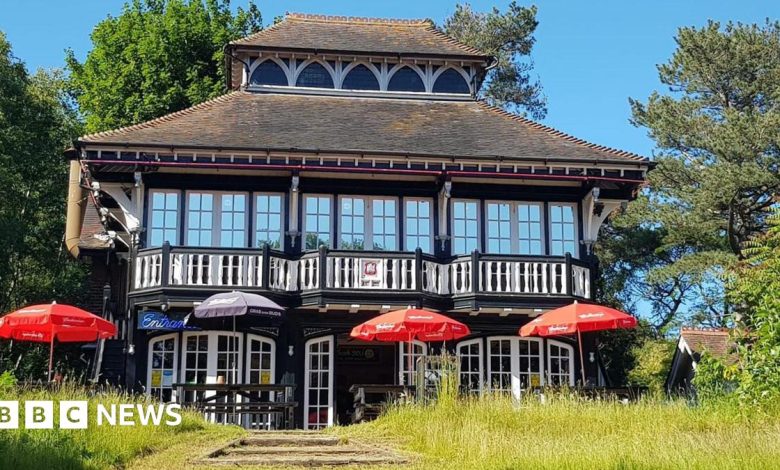
Revitalizing Norwich’s 1901 Sports Pavilion into a New Zaks Restaurant
In the heart of Norwich stands a charming building with a rich history dating back to 1901. Originally constructed as a sports pavilion, this historic structure once served as a welcoming haven where athletes and spectators alike could change clothes or enjoy refreshments while watching cricket matches on the pitch below. The building’s strategic position offered spectacular views of the sporting activities, making it a community focal point during its early years. Over its century-plus existence, the building has witnessed countless matches, cheers, and community gatherings, standing as a silent testament to Norwich’s sporting heritage.
Now owned by Norwich City Council, the historic pavilion is undergoing an exciting transformation. The Council has initiated renovation work to breathe new life into this cherished local landmark while preserving its historical significance. This careful balance between modernization and preservation represents the Council’s commitment to maintaining Norwich’s architectural heritage while ensuring these spaces remain functional and relevant to contemporary community needs. The restoration work aims to address structural issues that have developed over the decades while enhancing the building’s amenities to meet current standards.
Chris Carr, co-owner of the popular restaurant chain Zaks, recently shared insights about the building’s varied past and their plans for its future. “It has been various things over the years, including a home for a while,” Carr noted, highlighting the structure’s adaptability throughout its long history. This versatility speaks to how community spaces often evolve to serve different purposes across generations, from sporting facilities to residential use, and now to hospitality. The building’s ability to reinvent itself while maintaining its character is part of what makes it special to Norwich residents who have witnessed its transformations over the decades.
The restaurant’s location presents unique challenges and opportunities that Carr and his team are actively addressing. “We are out in the middle of nowhere and nature is all around us so we need to make sure trees are kept a safe distance away,” he explained. This rural setting offers diners a peaceful retreat from urban life, surrounded by natural beauty that enhances the dining experience. However, it also requires thoughtful management of the surrounding landscape to ensure both safety and preservation of the building’s structure. This balance between embracing the natural environment while protecting the historic building demonstrates the thoughtful approach being taken with this renovation.
Zaks, which already operates successful restaurants in Poringland and Great Yarmouth, brings considerable experience in adapting distinct spaces for dining purposes. Carr acknowledged the limitations inherent in working with historic buildings: “Obviously it is an old building so we are limited by what changes we can make.” These constraints require creative solutions and careful planning to ensure modern restaurant operations can function smoothly within a structure designed for early 20th-century needs. The team must navigate building regulations, preservation requirements, and practical considerations while creating a welcoming dining atmosphere.
Despite these challenges, Carr and his team remain committed to honoring the building’s heritage and environmental context. “With every Zaks we coexist with the space and make sure we look after them,” he affirmed. This philosophy reflects a growing trend in hospitality toward adaptive reuse of historic buildings, where restaurants become stewards of architectural heritage rather than simply occupants of space. The transformation of this former sports pavilion into a Zaks restaurant represents not just a business expansion but a contribution to Norwich’s cultural landscape—preserving a piece of local history while creating a new community gathering space where people can create memories for generations to come.