The Return of Osprey: A Conservation Success Story
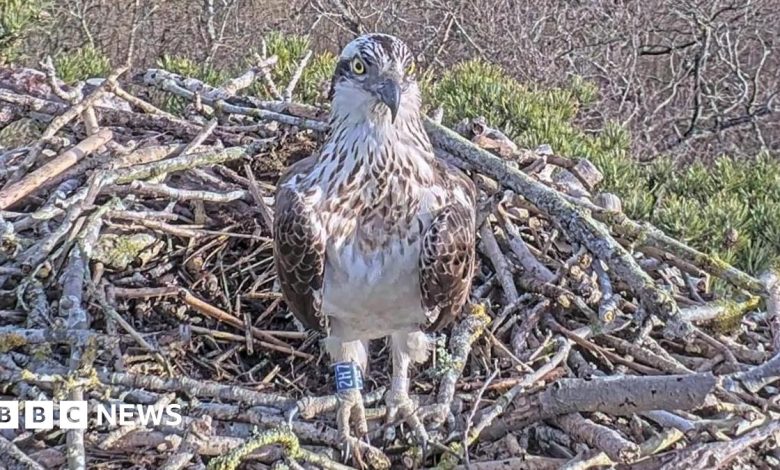
In a promising development for wildlife conservation in the UK, the nesting success of osprey pairs has become a cause for celebration. In 2025, two osprey chicks successfully fledged from their nest, marking an important milestone in the ongoing efforts to reestablish these magnificent birds of prey in Britain. Local conservation trusts are optimistic about the birds’ return in subsequent seasons and have installed live cameras at the nesting sites, allowing wildlife enthusiasts and the general public to witness these remarkable creatures in their natural habitat without causing disturbance. This innovative approach to wildlife observation has created a new connection between people and nature, enabling viewers to experience the intimate details of osprey family life through online streaming platforms.
The installation of wildlife cameras has become increasingly popular across various conservation sites in Britain. At Norwich Cathedral, similar technology allows viewers to observe peregrine falcons, another recovering raptor species that has adapted to urban environments. Meanwhile, at Blakeney Point, cameras capture the activities of one of Britain’s largest grey seal populations, providing valuable insights into their behavior and breeding patterns. These technological initiatives serve multiple purposes: they educate the public, raise awareness about conservation efforts, collect important behavioral data for researchers, and foster a sense of stewardship for local wildlife without the potential disruption caused by direct human presence. The success of these projects demonstrates how modern technology can bridge the gap between scientific research and public engagement.
Understanding osprey migration patterns reveals the remarkable journey these birds undertake each year. During summer months, osprey establish nesting territories in specific regions of Britain including parts of Scotland, Cumbria, the East Midlands, and Wales. As autumn approaches, they embark on an incredible migration, traveling thousands of miles to winter in West Africa or Portugal. This seasonal movement represents one of nature’s most impressive navigational feats, with individual birds often returning to the exact same nesting site year after year. Their diet consists almost exclusively of fish, which they catch with spectacular diving displays, plunging feet-first into water bodies to grasp prey with their specialized talons. These hunting skills, combined with their adaptation to different environments across continents, showcase the remarkable resilience and specialization of this species.
The history of osprey in Britain tells a compelling story of extinction and recovery. These birds once thrived across the British Isles but were driven to extinction as breeding birds in the early 1900s, primarily due to habitat loss, hunting, and egg collection. The turning point came in 1955 when a pair naturally recolonized Scotland, offering a glimmer of hope for the species’ return. This natural recolonization, followed by dedicated conservation efforts including nest protection schemes and reintroduction programs, has gradually allowed osprey populations to recover across parts of their former range. Their return represents one of Britain’s most successful wildlife comeback stories and demonstrates how effective protection measures, combined with public awareness and support, can reverse negative population trends even for species once completely absent from the landscape.
Conservation efforts for osprey exemplify broader principles of successful wildlife recovery programs. Protected nesting platforms, careful monitoring, habitat preservation, and reduced human disturbance have all contributed to their gradual reestablishment. Additionally, international cooperation has been crucial, as osprey protection requires consideration of both their breeding territories in Britain and their wintering grounds thousands of miles away in Africa and southern Europe. The recovery has required patience and persistence, with conservation organizations working for decades to create the conditions necessary for osprey to thrive once again. Public engagement has been another vital component, with education programs helping communities understand the ecological importance of these apex predators and their role in healthy aquatic ecosystems.
Looking to the future, osprey conservation represents both achievement and ongoing responsibility. While their return to British skies is cause for celebration, their populations remain vulnerable to threats including climate change, habitat degradation, and human disturbance. The live cameras that allow people to witness osprey nesting behavior serve not only as entertainment but as powerful tools for building public investment in wildlife protection. As viewers become emotionally connected to individual birds and their offspring, they develop a deeper appreciation for conservation needs. The story of osprey in Britain continues to unfold, with each successful nesting season adding another chapter to this remarkable conservation narrative. Their recovery stands as a powerful reminder that with dedication, scientific understanding, and public support, even species once lost from our landscapes can return and thrive once again.