The EFL is broken – and we’ve uncovered the scarcely believable proof. This is how close to oblivion YOUR club is, why owners are terrified – and the solutions they are crying out for, reveals MIKE KEEGAN

The EFL Financial Crisis: A League in Jeopardy
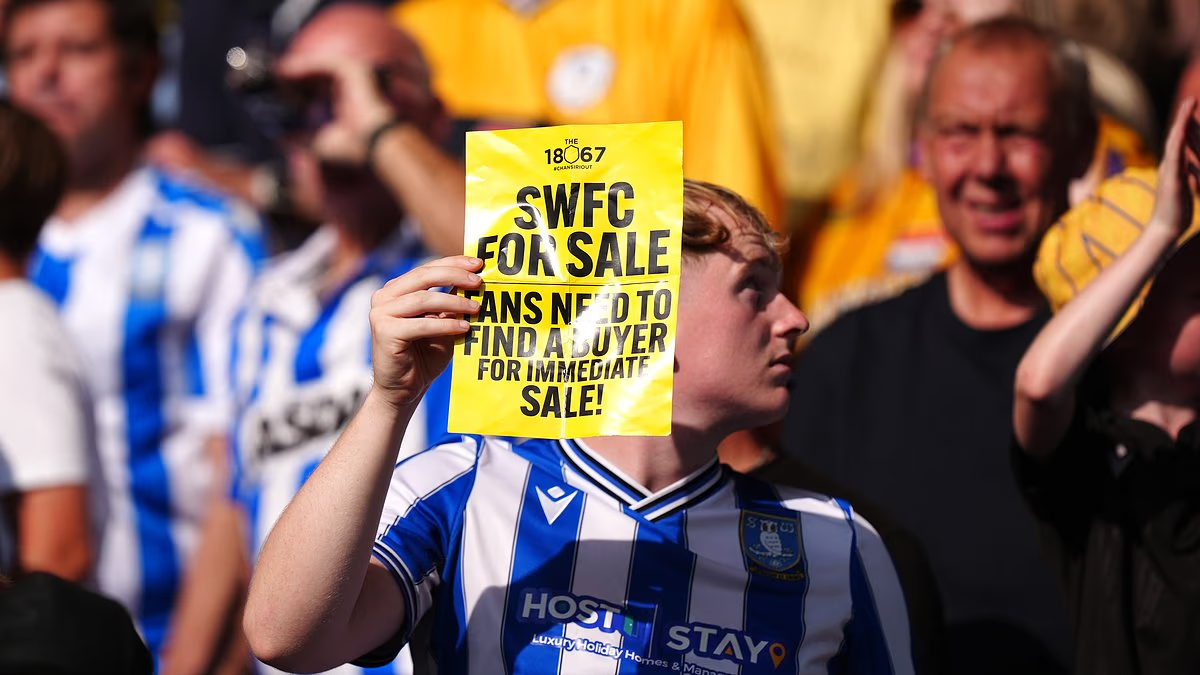
The English Football League (EFL) finds itself in a dire financial predicament that threatens the very existence of some of its most historic clubs. Championship teams are on track to lose an average of £15 million each season, with clubs across all three divisions set to post combined annual losses exceeding £600 million. This financial abyss illustrates the increasingly desperate state of football outside the Premier League’s promised land. Among the 14 Championship clubs that have filed their financial figures for 2024-25, a staggering 13 posted average losses of £14 million. League leaders Coventry City recorded a £21 million loss, while Norwich City and QPR suffered £20.7 million and £20.1 million losses respectively. Even clubs that have never tasted Premier League football, like Preston North End, registered significant losses of £13.4 million. The situation is equally troubling in League One, where nine clubs have returned figures showing average losses of £8.23 million – almost double the previous year’s average. In League Two, losses have more than doubled to an average of £2.44 million across ten reporting clubs. As Sheffield Wednesday lingers in administration without a buyer, fears mount that other historic institutions could face similar fates when their owners tire of writing off eye-watering sums with minimal returns.
The root of this financial chaos lies in the cavernous £5.3 billion revenue gap between the Premier League and the Championship, which has led to irrational spending among club owners desperate to reach the top flight. In today’s Championship, owners routinely write cheques of around £14 million simply to maintain the status quo – either loaning their club money or writing off losses. The parachute payment system, which provides relegated Premier League sides with approximately £100 million over three years, further skews competition. Between 2018-19 and 2024-25, Championship clubs saw their average revenue rise from £21 million to £27 million, but those receiving parachute payments enjoyed increases from £57 million to £90 million. This financial disparity extends to player trading, with parachute clubs in 2023-24 averaging £54 million profit in the transfer market compared to just £8 million for others. EFL executives describe these payments as a “trampoline” that undermines fair competition, creating what one Championship official calls “the Wild West,” where “the only people profiting are players and agents.”
Wage inflation has become another destructive force across the EFL pyramid. In the Championship, the average salary reached £14,000 per week last season, while League One and Two players earned inflation-busting weekly averages of £3,900 and £2,000 respectively. Between 2018-19 and 2024-25, League One clubs saw revenue rise by a meager five percent while wage costs more than tripled. The third tier now reportedly houses multiple players earning five-figure weekly salaries. The Championship’s average wage bill for 2023-24 stood at £37 million, though this masked a stark divide – parachute clubs spent an average of £71 million on wages, more than double the £28.2 million spent by others. This wage explosion has been exacerbated by an influx of American owners at clubs like Birmingham City and Wrexham, whose substantial investments have raised salary expectations across the divisions. Football finance expert Kieran Maguire compares the pursuit of promotion to buying a lottery ticket, with the prize being enormous – “Southampton stank the place out last season, finished bottom of the Premier League and pocketed £109 million, whereas your average Championship side got around £11 million.”
The case studies of individual clubs highlight the widespread nature of the crisis. Sheffield Wednesday’s administration has revealed the perils of prioritizing player wages over infrastructure investment. Under Dejphon Chansiri’s ownership, approximately £160 million was invested, with the club losing £10-12 million annually and directing the vast majority of income to player wages. The administrators discovered “a complete lack of investment in anything other than the first team,” with computer equipment “older than some of the staff.” Even Lincoln City, a League One success story poised for promotion, loses around £3 million annually despite growing revenue by over 250 percent in nine years. CEO Liam Scully notes that the baseline for player salaries has fundamentally shifted: “Not long ago, if a player wanted to earn £10,000-a-week they would have to get to the Championship. Now there are lots in League One on five figures every week.” Meanwhile, Oldham Athletic lost £3.8 million in their promotion season from the National League, with £3.1 million going to player salaries. They’ve been saved only by the intervention of the local Rothwell family, who have already invested north of £20 million to reverse “30 years of decline and decay.”
Despite these financial challenges, the EFL retains significant strengths. Record attendances were posted in 2023-24 and largely maintained last season, with numbers not seen since the post-War boom. The Championship stands as Europe’s second most-watched league after the Premier League, outpacing the Bundesliga, La Liga, and Serie A. American interest in the EFL continues to grow, with nearly a third of clubs now under US ownership, helping to drive a broadcast deal with CBS that airs more than 250 EFL matches across the Atlantic. The “basic award” provided to clubs by the EFL has never been higher. Yet without reform, the situation appears unsustainable. EFL CEO Trevor Birch warns that “the clock is ticking” and argues for a fairer revenue distribution system that recognizes the Premier League and EFL as “parts of the same ecosystem.” The newly appointed Independent Football Regulator, led by former Premier League rights negotiator David Kogan, may soon be forced to intervene if the Premier League and EFL cannot reach an agreement. Without meaningful change, the fear remains that owners who continue paying millions for “lottery tickets” without success will eventually cut their losses, potentially taking centuries of football history with them.