Facial Recognition Technology in Norfolk Police Operation
In a recent police operation, Norfolk police utilized facial recognition technology to identify individuals of interest to law enforcement. The Sunday operation successfully spotted two men who were on their radar for different reasons. One individual had failed to appear for a scheduled court hearing, while the other was under a sexual harm prevention order. After officers engaged with the second man, they determined he wasn’t violating any conditions of his order, so no further action was necessary in his case.
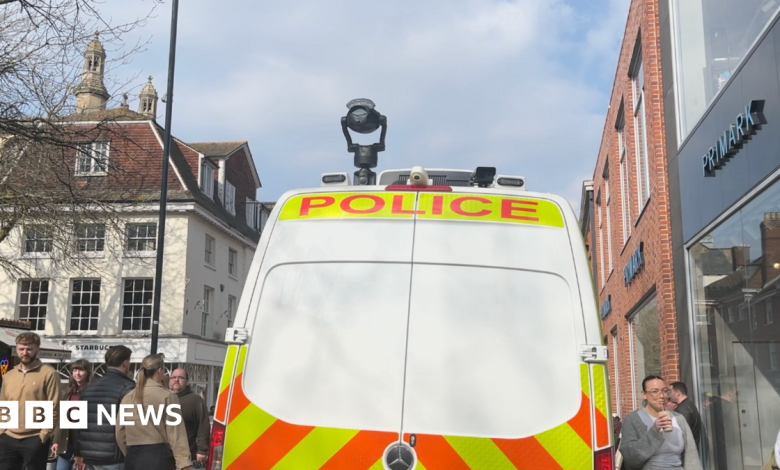
For this specific initiative, Norfolk police borrowed two specialized vans equipped with facial recognition capabilities from the Bedfordshire Police force. This inter-departmental collaboration demonstrates how UK police forces are sharing technological resources to enhance their public safety efforts. The technology allows officers to quickly scan and match faces against databases of individuals wanted by authorities or subject to court orders.
According to Gosden, a police representative, the department implemented the vans with different purposes in mind. One vehicle actively scanned and processed facial data, while the second served as a community engagement hub. This second van provided a space where officers could interact with the public, explain the technology being used, and address any concerns residents might have about privacy or surveillance. This approach shows an awareness of the potential controversy surrounding facial recognition and an attempt to maintain transparency with the community.
The police were careful to emphasize their data protection protocols during the operation. Gosden explained that any images that triggered alerts in the system would be retained for only 24 hours before being deleted. Even more stringent measures apply to individuals who don’t match any persons of interest in the database – their images and associated biometric data are immediately and automatically deleted from the system. These safeguards represent attempts to balance effective policing with privacy rights.
This operation highlights the growing use of advanced surveillance technology in everyday policing activities. Facial recognition systems, once considered futuristic, are now being deployed in mobile units that can operate throughout communities. The technology allows for passive scanning of individuals in public spaces, potentially identifying wanted persons without requiring active police stops or identification checks of random citizens.
The Norfolk operation demonstrates both the capabilities and limitations of current facial recognition technology in policing. While the system successfully identified individuals of interest, the follow-up still required human officers to make assessments and determinations about appropriate actions. The balance between technological capabilities and human judgment, alongside efforts to engage communities and address privacy concerns, reflects the complex landscape of modern policing in an increasingly digital world.