The Enchanting Norwich Lanes: A Thriving Hub of Independence and Community
The Norwich Lanes, with their charming cobbled streets, independent businesses, and historic churches, represent the beating heart of Norwich’s unique cultural identity. “Everyone who lives here doesn’t aspire to be anywhere else,” explains Jonty Young from the Norwich Lanes Association, capturing the deep sense of contentment and pride shared by locals. This network of historic pathways—connecting St. Benedicts Street, St. Andrews Street, Pottergate, Bedford Street, and St. Giles Street—has evolved into something truly special: the largest all-independent business community in the United Kingdom. Walking these streets, you immediately sense you’ve discovered a place that has preserved its historical character while embracing a vibrant, forward-thinking spirit that draws visitors and keeps residents deeply connected to their community.
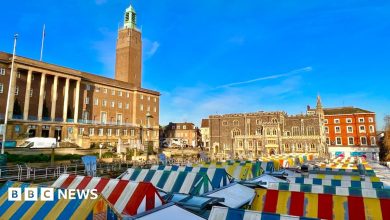
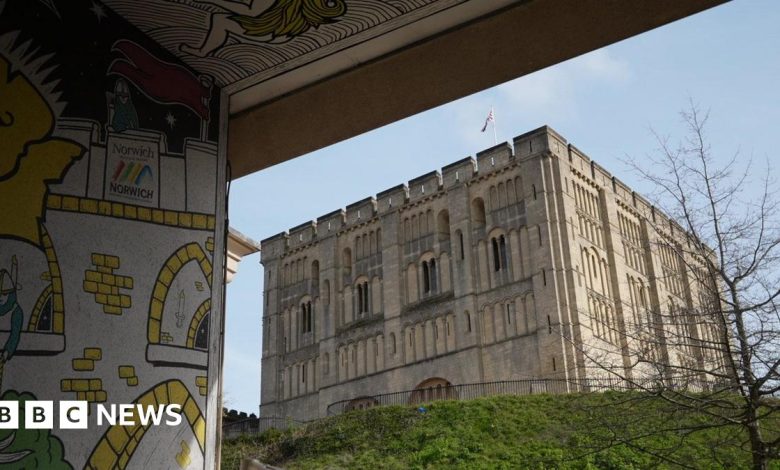
The architectural landscape of the Lanes tells a story of Norwich’s rich heritage, with eight churches scattered throughout the area, each repurposed for various contemporary uses while maintaining their historical significance. “The architecture in Norwich is outstanding and I think that’s what drags a lot of people here in the first place,” Young notes, highlighting how these beautiful structures serve as both historic landmarks and functional spaces for today’s community. These churches stand as testaments to Norwich’s past while simultaneously participating in its present—a perfect metaphor for the Lanes themselves, where history and modernity coexist in remarkable harmony. The preservation of these architectural treasures creates a unique backdrop for daily life, giving residents and visitors alike a tangible connection to centuries of Norwich history while serving today’s needs.
With over 500 independent businesses calling the Lanes home, this district has established itself as a haven for entrepreneurship, creativity, and commercial diversity. Unlike many high streets across Britain that have succumbed to chain stores and homogenization, the Norwich Lanes have maintained their distinctive character through a commitment to independent enterprise. “We have so many different venues, shops, coffee shops, restaurants—it’s just perfect,” Young enthusiastically shares. This diversity creates a shopping and dining experience impossible to replicate in conventional retail environments. Each business represents someone’s dream, passion, and livelihood—contributing to a commercial ecosystem where uniqueness is celebrated and personal connections between proprietors and customers flourish naturally.
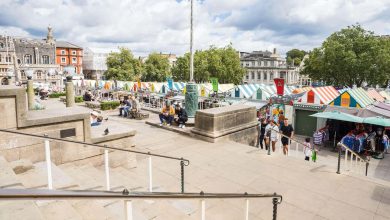
The community spirit of the Lanes culminates in the annual Norwich Lanes summer fair, an extraordinary celebration that attracts approximately 30,000 visitors from across the United Kingdom. This festival has become far more than a local event; it’s a national showcase for what makes the Lanes special—their independence, creativity, and sense of community. “I think it’s a huge celebration of the largest all-independent business community in the UK,” Young explains with evident pride. The fair transforms the already vibrant streets into a spectacular display of local talent, food, craftsmanship, and entertainment. For many visitors, this event serves as their introduction to the Lanes, often leading to return visits throughout the year as they discover the area’s permanent charms beyond the festivities.
What truly distinguishes the Norwich Lanes is the palpable sense of belonging that permeates the area. Unlike many urban districts that struggle with issues of identity in our increasingly homogenized world, the Lanes have cultivated a strong sense of place that resonates with both longtime residents and newcomers. The interconnected nature of these historic streets creates natural gathering spaces where community happens organically. From morning coffee rituals at independent cafés to evening performances at intimate venues, the rhythm of life in the Lanes follows a distinctly local beat. Business owners know their regular customers by name, neighboring shops support one another, and there’s a collective investment in maintaining the area’s special character that transcends individual interests.
The success of the Norwich Lanes offers valuable lessons for other communities seeking to preserve their unique identity while remaining economically viable in the modern world. By prioritizing independent businesses, celebrating historical architecture, and fostering genuine community connections, the Lanes have created a sustainable model for urban prosperity that doesn’t sacrifice character for commerce. As Young’s comments suggest, those who experience the Lanes—whether as residents, business owners, or visitors—recognize they’ve found something increasingly rare: a place with an authentic sense of itself, where the past informs the present without constraining it, and where community isn’t just a concept but a daily reality. In an era where many places struggle to maintain their distinctive qualities, the Norwich Lanes stand as a testament to what’s possible when a community collectively chooses to preserve and celebrate what makes it special.