A Valuable Community Asset Facing Critical Challenges
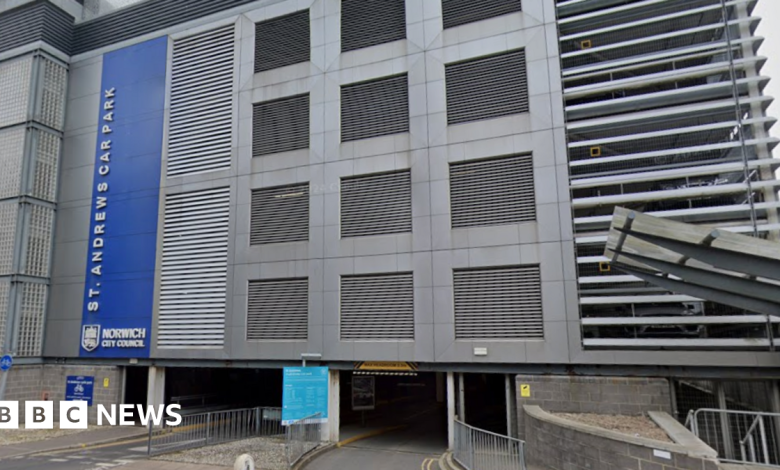
The multi-story car park stands as a crucial infrastructure in our community, serving as more than just a place to park vehicles. According to a recent officer’s report, this facility represents “an important local asset” that supports essential transport links while generating significant revenue—approximately £3.2 million annually—and providing valuable service to local residents and visitors. The car park has become integrated into the fabric of our community since its opening in 2005, when it was constructed at a cost of £9.3 million and subsequently recognized with the prestigious “best new car park of the year” award. This acknowledgment highlighted its initial promise as a modern, efficient facility designed to meet the growing needs of our area.
However, beneath this successful exterior lies a concerning history of structural problems that have plagued the facility almost since its inception. Just four years after opening, cracks began appearing in the structure, necessitating the installation of props to ensure the building’s safety. These early warning signs pointed to underlying issues that would require ongoing attention and investment. The situation became more serious in 2015, when the local authority was forced to spend £1.1 million on essential repairs, resulting in the closure of one-third of all parking spaces during the renovation period. More recently, in 2022, an additional £1.2 million was allocated for critical safety improvements, demonstrating the persistent nature of the structural challenges facing this important community resource.
The current assessment from officials paints a stark picture of the situation, with the officer’s report emphasizing that “doing nothing is not viable.” This blunt assessment reflects the reality that without proper intervention, the structure will face “progressive deterioration and eventual closure.” Such an outcome would have far-reaching consequences, affecting not only the thousands of people who rely on the facility for their daily transportation needs but also significantly impacting the local authority’s financial position through the loss of substantial parking revenue. The report makes clear that the stakes are high and that decisive action must be taken to preserve this community asset.
Looking ahead, planners have developed a phased approach to address the ongoing structural issues. Rather than attempting a single massive renovation project, the work is expected to be carried out in stages over the next five to ten years. This measured approach likely reflects both budgetary considerations and the practical need to keep portions of the facility operational during repairs. Breaking the project into manageable phases will allow for more precise targeting of the most critical structural weaknesses while minimizing disruption to users and maintaining some level of revenue generation throughout the renovation period.
The situation raises important questions about infrastructure maintenance and the long-term planning needed for major public facilities. Despite winning awards at its opening and representing a substantial initial investment of public funds, the car park has required multiple rounds of expensive repairs throughout its relatively short lifespan. This pattern suggests potential issues with the original design, construction quality, or maintenance planning that should be examined closely to prevent similar problems with future infrastructure projects. The recurring need for significant investment also highlights the importance of building adequate maintenance reserves into long-term financial planning for public facilities.
The community now faces a critical decision point regarding this important asset. As the Local Democracy Reporting Service has documented, the financial implications are significant, with the annual £3.2 million revenue stream at risk if the facility cannot be properly maintained. However, the investment required to secure the car park’s future represents a substantial commitment of public resources that must be weighed against other community needs. What remains clear from the officer’s report is that postponing action is not a viable option—the choice is not whether to act, but how quickly and comprehensively to address the structural challenges before they force the closure of this vital community resource. The phased renovation plan represents a practical path forward to preserve both the facility itself and the important services it provides to our community.