


The Norwich Motorcycle Park: A Community Hub Under Scrutiny
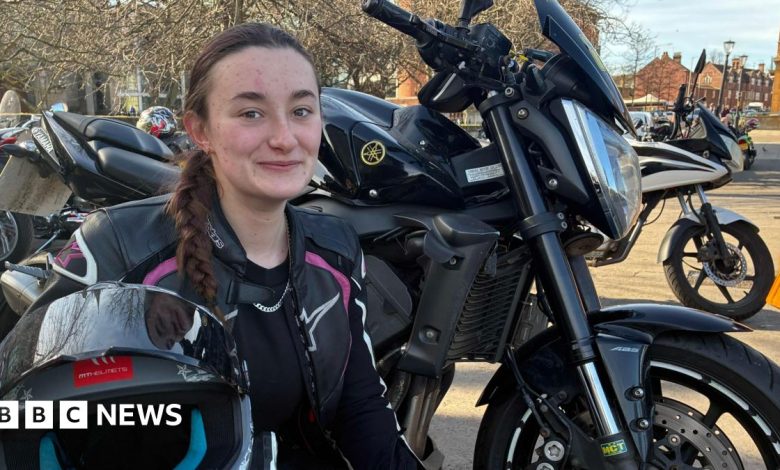
At the heart of Norwich stands a motorcycle park that has become much more than just a place to park bikes. For nearly a century, this modest space adjacent to Norwich Market has transformed into a vibrant community hub where friendships are forged, stories are shared, and a distinct subculture thrives. Recent consultation by the Norwich Council regarding the market area has inadvertently sparked concerns about the future of this beloved bike park, bringing to light its significance to both riders and the wider community. Though the council insists there are no immediate plans for closure, the mere suggestion of changes has rallied passionate defenders who see this space as an integral part of Norwich’s character and history.
James Hampson represents the deep emotional connection many feel to this urban sanctuary. Visiting at least weekly, he’s built meaningful friendships simply through conversations that begin with admiring each other’s motorcycles. For Hampson, the park transcends its utilitarian purpose, becoming a critical support for his mental wellbeing. “I’ve spent a lot of time up here building these friendships, and it’s good for my mental health,” he explains, his voice thick with emotion when contemplating its potential loss. “It means everything in the world to me. You can tell it chokes me up. I’d be devastated if it went.” His reaction demonstrates how seemingly ordinary urban spaces can become extraordinary anchors for personal identity and emotional stability, particularly for those who might otherwise struggle to find community connections.
The motorcycle park’s importance extends beyond individual riders to create intergenerational bonds and preserve a living piece of Norwich heritage. David Brown, a 70-year-old rider with more than two decades of experience, emphasizes both the historical significance and practical benefits of maintaining the bike park in its current location. His concern extends to the potential economic impact of relocation, suggesting that moving the park away from the town center would negatively affect trade at Norwich Market. This perspective highlights the interconnected nature of urban spaces, where changes to one element can create ripple effects throughout the local economy. Brown’s passion for preserving this “part of Norwich and the history of Norwich” reflects a broader desire to protect the authentic character of the city against the homogenizing forces of modern development.
The controversy surrounding the motorcycle park illustrates the delicate balance city planners must navigate between modernization and preservation of beloved community spaces. While the council maintains that the recent consultation did not include explicit closure proposals, the very act of questioning the space’s future has activated a protective response from its regular users. This reaction demonstrates how urban planning decisions, even when exploratory, can trigger deep anxiety in communities with strong attachments to particular locations. The motorcycle park, having survived for 90 years through countless changes to the urban landscape, has become a symbol of continuity and resilience in a rapidly evolving city environment. As Brown poignantly stated, he would “rather keep this as a reality rather than a memory,” encapsulating the desire to maintain living traditions rather than relegating them to historical footnotes.
The situation in Norwich reflects broader tensions in urban development worldwide, where utilitarian considerations sometimes clash with the less quantifiable value of social gathering spaces. The motorcycle park might appear, to outside observers, as merely an efficient use of urban real estate for vehicle storage. Yet for its regular users, it functions as an outdoor community center, a mental health resource, and a place where generational knowledge about motorcycles is freely exchanged. As cities increasingly prioritize efficiency and commercial development, such informal gathering places face growing pressure. What makes the Norwich case noteworthy is how articulate and passionate the defenders of this space have become, effectively communicating the bike park’s multidimensional value to the broader community and potentially influencing future planning decisions.
The council’s response suggests an awareness of the sensitivity surrounding this issue, emphasizing that the consultation was intended to “gather views from users and the wider community” to “understand how the space is used.” This approach acknowledges that effective urban planning requires more than top-down decision-making; it demands genuine engagement with how spaces are actually used and valued by citizens. The future of Norwich’s motorcycle park remains uncertain, but the conversation it has sparked represents an opportunity for more thoughtful integration of community needs into urban development. As cities everywhere grapple with balancing growth, heritage, and social cohesion, the story of this modest motorcycle park offers valuable lessons about the profound significance seemingly ordinary spaces can hold in the lives of citizens and the identity of a city. Whether preserved in its current form or thoughtfully evolved, the motorcycle park’s role as a “community hub for all” deserves recognition in whatever future Norwich envisions for itself.




v69e4e