Norfolk Council Council steps in with £72k pledge for free legal service which helps hundreds of domestic abuse victims

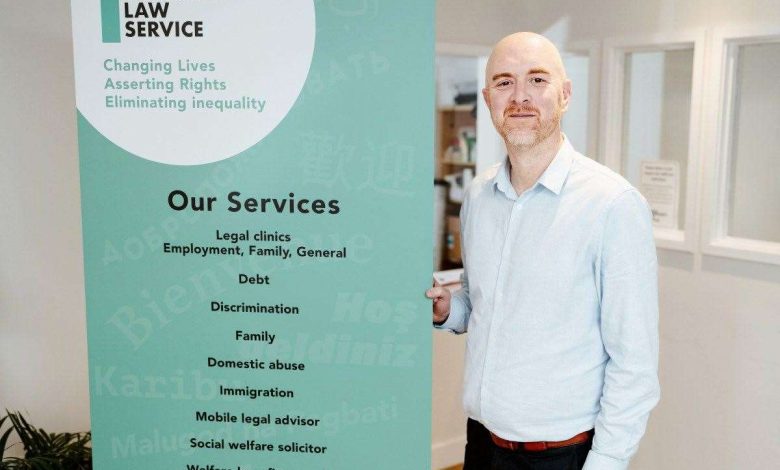
Norfolk County Council Steps in to Save Crucial Domestic Abuse Legal Service
Norfolk County Council has emerged as a lifeline for domestic abuse victims across the region, pledging £72,000 over two years to preserve a vital legal advice service that was at risk of collapse. The Norfolk Community Law Service (NCLS), which supported 452 domestic abuse victims last year alone, had been facing a crisis after the withdrawal of funding from Norfolk’s Police and Crime Commissioner Sarah Taylor. This timely intervention by the council ensures that vulnerable individuals seeking legal protection from abuse will continue to receive the support they desperately need. The funding will come into effect in April when the current grant ends, offering a crucial reprieve for a service that provides free specialist legal advice enabling victims to secure protective measures, address housing instability, and prevent further abuse when criminal prosecution isn’t possible.
The severity of the situation prompted swift action from county leadership, with Deputy County Council Leader Andrew Jamieson emphasizing the moral imperative behind the decision. “Domestic abuse has a devastating and lasting impact on individuals, families, and communities. When the future of this specialist advice service was put at risk, it was clear that we needed to act,” Jamieson stated, underlining the council’s commitment to safeguarding victims and preventing further harm. The service has proven invaluable in Norfolk, where many abuse victims face significant challenges accessing legal aid or experience substantial delays in obtaining it. NCLS’s interventions have demonstrably improved victim safety, reduced repeat victimization, enhanced mental health outcomes, and facilitated more effective engagement with the criminal justice system – all critical outcomes in addressing the complex impacts of domestic abuse.
While expressing gratitude for the council’s intervention, NCLS Chief Executive David Powles emphasized that this represents just one step in an ongoing struggle to secure sustainable funding. “NCLS is very grateful that Norfolk County Council has stepped in to fill this funding gap and recognizes the importance of this work. However, as far as we are concerned, the fight continues,” Powles remarked. The stark financial reality is that the service requires more than £200,000 annually to support over 400 domestic abuse victims – predominantly women – and the newly announced £72,000 falls significantly short of covering these costs. Powles highlighted a troubling discrepancy in the funding landscape, noting that apart from this recent grant, none of the service is currently funded by statutory agencies, a situation he described as fundamentally “wrong.” This underscores a wider challenge in how essential victim support services are financed and prioritized within public spending.
The funding crisis has attracted attention from several of the county’s MPs, including North West Norfolk’s James Wild, who advocated for the service after learning of its predicament. Wild acknowledged the complex financial pressures facing local agencies, noting that “the Government’s funding settlement left the PCC and Norfolk Police in a difficult financial position” while expressing disappointment that such crucial support services have been placed in jeopardy. The two-year funding window created by the county council’s intervention provides valuable breathing space for stakeholders to develop a more sustainable long-term solution, reflecting the recognition that domestic abuse support requires consistent, reliable funding rather than ad hoc interventions. This pattern of precarious funding for critical services raises important questions about resource allocation priorities within both local and national government frameworks.
For the past four decades, NCLS has provided free legal services across Norfolk, filling vital gaps in support for vulnerable individuals. The organization’s domestic abuse service offers specialized assistance that extends beyond what’s available through standard channels, helping victims secure non-molestation and occupation orders, address financial abuse and housing instability, navigate child arrangement challenges, and overcome immigration insecurity that may complicate their situations. These interventions are particularly crucial in cases where criminal prosecution isn’t feasible, providing alternative pathways to safety and recovery for those experiencing abuse. The comprehensive nature of this support recognizes that domestic abuse victims often face multiple, interconnected challenges requiring specialized legal expertise that would otherwise be financially inaccessible to many vulnerable individuals.
Despite the temporary reprieve, Powles expressed frustration at the persistent struggle for funding: “It angers and disappoints me that NCLS fills a vital gap in legal support – yet we have to beg and fight for funding in such a way.” This sentiment reflects broader concerns about how domestic abuse services are valued and prioritized within public funding mechanisms. Nevertheless, NCLS remains committed to working collaboratively with partners to maintain a “robust, victim-centered response to domestic abuse” across Norfolk, focusing on prevention, protection, and recovery. For those needing support, NCLS can be contacted at 01603 496623 Monday to Friday from 9:30am to 4:30pm, or through their website at ncls.co.uk. The organization’s persistence in advocating for stable funding highlights not just the immediate needs of current victims, but also the importance of creating sustainable systems that recognize domestic abuse support as an essential public service rather than an optional supplement to justice and social welfare infrastructure.