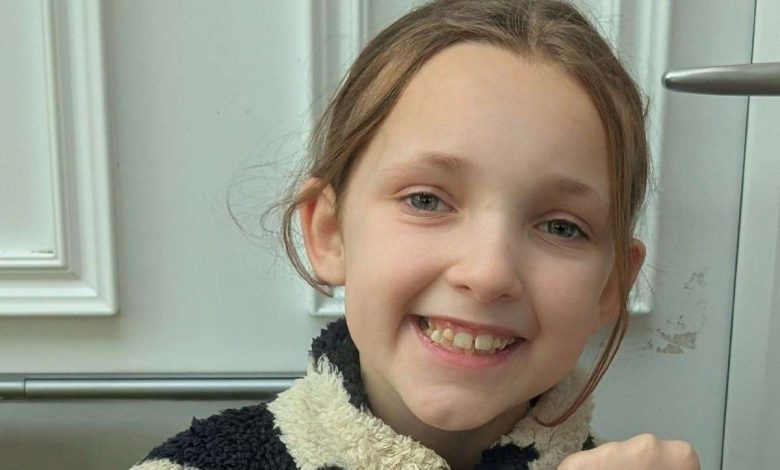
Eight-year-old Esme Wright, of Attleborough, joins Norfolk and Norwich Hospitals Charity’s AirMazing Challenge

Young Girl with Cystic Fibrosis Steps Forward in Global Charity Challenge
Eight-year-old Esme Wright from Attleborough is proving that living with cystic fibrosis (CF) doesn’t define her limits. Since January, Esme and 55 other young CF patients under the Norfolk and Norwich University Hospital’s care have embarked on an inspiring journey equipped with fitness trackers to encourage regular exercise. Their collective mission—dubbed the “AirMazing Challenge”—is to accumulate 55 million steps by the end of Cystic Fibrosis Awareness Month in June, symbolically walking the distance around the world. This initiative, supported by a £1,500 grant from the Tesco Stronger Starts scheme, demonstrates how technology can motivate young patients to maintain the active lifestyle crucial for managing their condition.
Diagnosed with cystic fibrosis when she was just two weeks old, Esme approaches life with remarkable enthusiasm and openness about her condition. Her mother Claire shares how excited Esme was to receive her tracker, eagerly monitoring her daily steps and even expressing disappointment when she has to remove it for dance class or physical education. This enthusiasm reflects the Wright family’s philosophy of empowering Esme to “own” her CF rather than feeling defined by it. “She will proudly tell people she has CF,” Claire explains, highlighting their gratitude for modern medications that allow Esme to enjoy an active childhood despite living with a serious chronic condition.
The family’s approach to Esme’s condition reveals the delicate balance many parents of chronically ill children must strike—encouraging normalcy while ensuring proper medical management. Claire notes that Esme has always been remarkable in handling her CF, understanding the importance of her medication regimen from an early age. This level of responsibility in someone so young is particularly impressive considering the complex nature of cystic fibrosis, an inherited condition that affects multiple organ systems. The disease primarily impacts the lungs and digestive system, causing them to become clogged with thick mucus that leads to chronic infections, inflammation, and digestive difficulties—challenges that require consistent management throughout a patient’s life.
Beyond tracking steps, the initiative highlights the critical role of physical activity in CF management. Holly Brook, clinical specialist in paediatric CF and respiratory at NNUH, emphasizes that “exercise and fitness is a key part of managing some of the symptoms of cystic fibrosis by helping to keep the lungs working well and clear of mucus.” The fitness trackers serve a dual purpose: they provide medical teams with valuable data about patients’ activity levels while transforming necessary exercise into an engaging collective challenge. By joining forces to “walk around the world,” these children experience the therapeutic benefits of exercise while feeling connected to a larger community with similar experiences—an important psychological boost for those living with chronic conditions.
What makes Esme’s story particularly touching is how it illustrates the evolution of CF treatment and attitudes. Her mother’s comment that “we’re so lucky she was born when she was, with the new medications available to her” points to significant advances in CF treatment over recent decades. Modern therapies have transformed CF from a condition that severely limited childhood activities to one that, while still serious, allows many children like Esme to pursue their passions—in her case, dancing. This medical progress, combined with growing awareness and more open conversations about chronic illness, helps create an environment where young patients can embrace both their medical needs and their identities as active, engaged children.
The AirMazing Challenge represents a beautiful intersection of community support, medical care, and patient empowerment. Funded through Tesco’s Stronger Starts scheme, which supports projects improving youth health, the initiative demonstrates how partnerships between healthcare providers, businesses, and the public can create meaningful differences in children’s lives. The gratitude expressed by hospital staff toward “the member of the public who nominated us” for the funding reveals the ripple effect of community involvement in healthcare initiatives. As these 56 children continue accumulating steps toward their ambitious goal, they’re not just improving their physical health—they’re showing the world that living with cystic fibrosis doesn’t mean standing still. Through Esme’s enthusiasm and determination, we glimpse a future where chronic conditions may limit certain aspects of life but never diminish the spirit of those who face them.