


Drone Operator’s Conviction Sets Precedent in UK
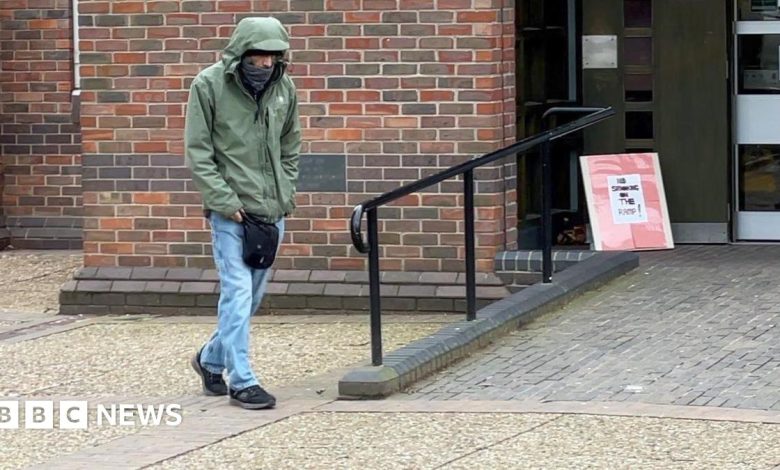
In a landmark case that has significant implications for drone operators across the United Kingdom, Norfolk Police have announced what they believe to be the first conviction of its kind – an individual found guilty of flying a drone over emergency services during a major incident. The offender, identified as McEwen, was prosecuted for violating aviation regulations that are designed to maintain public safety during emergency situations. This case highlights the growing tension between the increasing popularity of drone technology and the strict guidelines that govern their use, particularly in sensitive situations where emergency responders are actively working. PC Jon Parker of Norfolk Police emphasized the serious nature of these violations, noting that while some might dismiss them as minor infractions, they have the potential to create dangerous situations with far-reaching consequences.
The conviction serves as a powerful reminder of the responsibility that comes with operating unmanned aerial vehicles, particularly in proximity to emergency services. Drones have become increasingly accessible to the general public, with more affordable models and user-friendly interfaces allowing almost anyone to take to the skies. However, this accessibility has created new challenges for law enforcement and emergency services, who must contend with the potential disruption these devices can cause during critical operations. In McEwen’s case, the decision to fly over an active emergency scene not only violated regulations but potentially hampered the work of first responders who were dealing with a major incident. The prosecution sends a clear message that authorities are taking drone violations seriously and are willing to pursue legal action against those who disregard the rules.
The implications of unauthorized drone flights near emergency services extend far beyond mere inconvenience. Alan Ward, an aviation adviser for the East Anglian Air Ambulance based at Norwich Airport, provided a sobering perspective on the potential consequences of such actions. He emphasized that a collision between a drone and an aircraft such as an air ambulance could be catastrophic, potentially resulting in serious damage, injuries, or even fatalities. Even without a direct collision, the mere presence of drones in restricted airspace can force delays in critical care operations by preventing safe landings and takeoffs. In emergency medicine, where every minute can make the difference between life and death, such delays could have tragic consequences for patients awaiting urgent medical attention or transport.
This case reflects the broader challenges facing regulators and law enforcement as they attempt to balance the legitimate uses of drone technology with public safety concerns. Drone regulations in the UK have evolved significantly in recent years, with requirements for registration, pilot competency tests, and specific restrictions regarding where and when drones can be flown. These rules are particularly stringent around airports, emergency scenes, and crowded areas, reflecting the heightened risks these environments present. However, enforcement has often proven difficult, with authorities struggling to identify operators of drones flying illegally or to gather sufficient evidence for prosecution. McEwen’s conviction demonstrates that these hurdles can be overcome and may signal a more aggressive approach to enforcement moving forward.
The reaction to this case from both the public and the drone community has been mixed. While many responsible drone operators recognize the importance of following regulations and support enforcement actions against those who put others at risk, others have expressed concerns about potentially overzealous restrictions that might limit the beneficial uses of drone technology. Emergency services themselves have increasingly adopted drones for their own operations, using them for search and rescue, fire assessment, and other crucial tasks. This creates a somewhat paradoxical situation where the same technology that can aid emergency services can also, when used improperly by civilians, hinder their efforts. The challenge moving forward will be to foster a culture of responsible drone use while ensuring that regulations remain proportionate and enforceable.
As this precedent-setting case concludes, it serves as a timely reminder for all drone operators of their legal and ethical responsibilities. PC Parker’s comments about the “blatant disregard” shown by McEwen emphasize that ignorance of the rules is not an acceptable excuse, particularly when safety is at stake. For emergency services, the conviction provides some reassurance that the legal system recognizes the serious nature of these violations and is willing to take action to protect their operations. For the wider public, it underscores the fact that drone technology, while innovative and increasingly commonplace, comes with significant responsibilities. As Alan Ward succinctly put it, today’s verdict stands as “a reminder of the risks and the legal responsibilities of drone operators” – a message that authorities clearly hope will resonate with drone enthusiasts across the country and prevent similar incidents in the future.





xp8cwf