


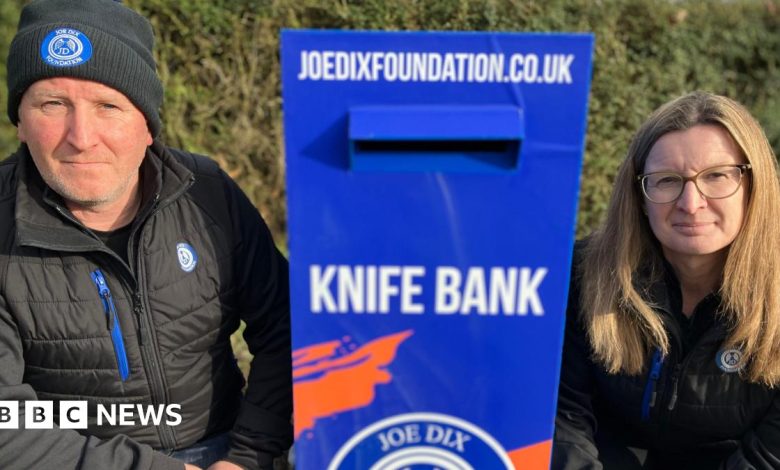
A Mother’s Mission: Turning Tragedy into Community Safety
In the quiet neighborhoods where children ride bikes and families gather for weekend barbecues, Emma and Phil never imagined they would become advocates against youth exploitation and knife crime. Yet today, Emma stands before her community with a powerful message that echoes from her own painful experience: no child is immune to exploitation by criminal gangs, regardless of their family background, geographic location, or socioeconomic status. “It doesn’t matter the background, where you come from, where you live, what your jobs are, anything like that – boy, girl, whatever – exploitation is happening everywhere and it can happen to anybody’s child,” Emma explains, her voice carrying the weight of firsthand knowledge. Her son Joe was just a young teenager when he was targeted and exploited by a criminal gang, setting in motion a series of events that transformed their ordinary family life into an extraordinary mission.
The reality of youth exploitation often remains hidden behind assumptions and stereotypes about “at-risk” children. Emma challenges these misconceptions directly, urging parents to remove their blinders and recognize the sophisticated methods modern criminal networks use to target young people. “Please don’t ever be blinkered that it wouldn’t happen to your child,” she cautions, “because myself and Phil have found ourselves in that situation.” Their story serves as both warning and wake-up call to communities that might otherwise believe such problems exist only in other neighborhoods, other schools, other families. The painful truth they discovered is that predatory exploitation crosses all boundaries, finding vulnerability even in seemingly secure environments. What makes their advocacy particularly compelling is how they’ve channeled their experience into practical community solutions rather than retreating into their private pain.
Central to their community initiative is a specially designed knife bin—a simple yet powerful tool in addressing the weapons that often accompany youth exploitation and gang involvement. The bin was engineered with safety and accessibility as primary concerns, allowing anyone to dispose of unwanted knives without fear or complication. Donors are instructed to wrap knives securely before transporting them to the bin, ensuring the process remains safe from start to finish. This thoughtful design reflects Emma and Phil’s comprehensive approach to a complex problem—addressing not just awareness but providing tangible means for community members to take action. The bin stands as both practical resource and physical symbol of a community’s commitment to reducing the presence of potential weapons.
Emma emphasizes that the knife bin is meant for everyone, not just those directly involved with crime or violence. “This is for anyone to use, it might be a kitchen knife you have at home that you’ve had that you don’t use, you’re better off getting rid of it,” she explains, normalizing the concept of weapon disposal as simply responsible household management. This framing is deliberate and important, as it removes stigma from the act of using the bin while still serving its deeper purpose. She particularly stresses that the presence of a knife bin doesn’t indicate an area has a knife crime problem—rather, it signifies a proactive community taking preventative measures. “It’s about making this a regular thing that people are familiar with; it doesn’t mean there’s knife crime in an area just because there’s a knife bin,” she notes, addressing potential concerns that such installations might negatively label a neighborhood.
The initiative demonstrates thoughtful sustainability through its recycling component. Rather than merely collecting and disposing of the weapons, the collected knives will be recycled, with discussions underway about transforming the metal into a sculpture. This artistic transformation carries powerful symbolism—converting objects of potential harm into an artwork that might inspire reflection or commemorate lives affected by knife crime. The recycling aspect also aligns with broader environmental values, ensuring the initiative addresses community safety without creating additional waste. This multi-layered approach reveals the depth of thought Emma and Phil have invested in their response to personal tragedy, creating something that addresses immediate safety concerns while incorporating elements of environmental responsibility and artistic expression.
Beyond the practical aspects of their knife bin initiative lies a deeper narrative about community resilience and the transformation of personal pain into public good. Emma and Phil could have retreated into private grief after their son’s exploitation, but instead chose to convert their experience into education, awareness, and tangible community resources. Their story challenges us to recognize that addressing youth exploitation and knife crime requires both vigilance and community-based solutions that normalize safety practices without stigmatizing neighborhoods. As the knife bin stands ready to receive unwanted weapons and the plans for a meaningful sculpture take shape, Emma and Phil’s initiative demonstrates how ordinary citizens can transform devastating personal experiences into extraordinary community leadership, creating pathways for prevention that might spare other families from walking their painful path.





rnw71h
Those are yours alright! . We at least need to get these people stealing images to start blogging! They probably just did a image search and grabbed them. They look good though!